
Dr. Rajpal Manchanda
About Me
Dr. Rajpal Manchanda
MD
Dermatologist
10 Years Experience
Biography
My Clinic
OPD Hours
| Monday | Morning | 10:00 AM | - | 02:00 PM |
| Evening | 06:00 PM | - | 09:00 PM | |
| Tuesday | Morning | 10:00 AM | - | 02:00 PM |
| Evening | 06:00 PM | - | 09:00 PM | |
| Wednesday | Morning | 10:00 AM | - | 02:00 PM |
| Evening | 06:00 PM | - | 09:00 PM | |
| Thursday | Morning | 10:00 AM | - | 02:00 PM |
| Evening | 06:00 PM | - | 09:00 PM | |
| Friday | Morning | 10:00 AM | - | 02:00 PM |
| Evening | 06:00 PM | - | 09:00 PM | |
| Saturday | Morning | 10:00 AM | - | 02:00 PM |
| Evening | 06:00 PM | - | 09:00 PM | |
| Sunday | Morning | 10:00 AM | - | 02:00 PM |
| Evening | 06:00 PM | - | 09:00 PM |
Treatments
Specialised care and treatments offered
KERATOSIS PILARIS
This benign condition presents as small bumps on the arms, thighs, cheeks or buttocks resembling chicken skin. While keratosis pilaris does not require treatment for health reasons; cosmetic concerns often lead patients seeking advice on management practices that enhance appearance.
- < l i >The most apparent symptom involves tiny red or white hard bumps easily felt upon touch without associated itching .< / l i >< l i >It arises from an accumulation of keratin blocking hair follicles triggered by genetic predisposition .< / l i >< l i >Diagnosis typically requires no specialized tests; visual inspection by professionals suffices in confirming presence .< / l i >< l i >Moisturizers enriched with lactic acid combined with gentle exfoliation offered relief while managing existing spots effectively .< / l i >< l i >With consistent skincare routines noticeable results usually appear within weeks followed by stabilization thereafter appropriate interventions are undertaken .< / l i >
A tailored skincare plan focusing on hydration yields optimal results fostering smoother textured surfaces over time!
HYPERPIGMENTATION
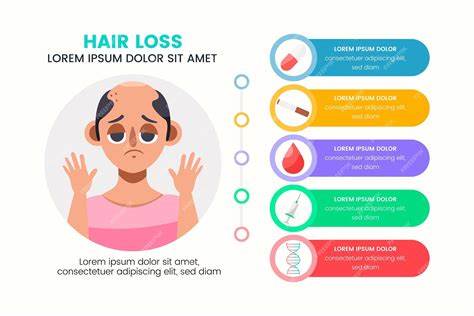
This common dermatological condition manifests as dark patches on the skin due to excess melanin production. Understanding the various causes is crucial for effective treatment strategies aimed at even-toned skin.
- The primary symptoms are localized dark spots differing in size across different areas of the body—often pronounced in sun-exposed regions.
- Potential causes include hormonal changes , prolonged sun exposure , or certain medications .
- Diagnosis typically involves clinical evaluation to rule out other conditions causing discoloration .
- Management techniques frequently encompass topical lightening agents , chemical peels , or laser therapy depending upon severity .
- Patients can expect gradual improvement over months ; adherence plays a significant role in success rates .
Taking preventive measures against sun damage alongside established treatments helps promote radiant complexion !
ROSACEA
This chronic condition predominantly affects the face causing redness and visible blood vessels. While it cannot be cured completely, its symptoms can be managed effectively through lifestyle modifications and treatment regimens.
- The primary symptoms are facial redness that resembles sunburn or blushing along with visible blood vessels.
- Main triggers, including spicy foods or extreme temperatures often exacerbate symptoms.
- Diagnosis usually involves an assessment of the appearance of the skin along with medical history>.
- Treatment typically includes topical medications focused on reducing inflammation along with lifestyle adjustments to avoid triggers
- People managing rosacea should see regular improvements if adhering to prescribed therapies consistently
With dedication to treatment plans tailored around individual triggers offers hope for maintaining healthy-looking skin .
ACNE
A frequent skin condition primarily affecting teenagers but also adults. Acne develops when hair follicles become clogged with oil and dead skin cells. Early intervention can help mitigate long-term scarring.
- Main symptoms include pimples, blackheads, and cystic lesions on the face and body.
- The main causes are hormonal changes, diet, stress levels, and genetics.
- Dermatologists often diagnose acne through clinical evaluation alongside patient history.
- Treatment options vary from topical retinoids to oral medications like antibiotics or hormonal therapies based on severity.
- Persistent management is key; younger patients may notice gradual improvement over time as they transition into adulthood.
The right approach is crucial for achieving clearer skin while boosting self-confidence among those affected by acne!
PSORIASIS
This autoimmune condition leads to rapid skin cell turnover, resulting in thickened patches of skin. While there’s no cure for psoriasis, effective management strategies can significantly reduce symptoms.
- The main symptoms consist of red patches covered with silvery scales.
- Causes are believed to be related to immune system dysfunction and genetic factors.
- A diagnosis is typically made based on visual examination and sometimes a biopsy.
- Treatment options may include topical treatments, phototherapy, and systemic medications for severe cases.
- With ongoing management, many patients can maintain clear skin or reduce flare-ups considerably.
Understanding this condition empowers individuals to seek proper care and live more comfortably with their skin.
ECZEMA
Eczema is a chronic skin condition characterized by inflamed, itchy areas of skin. It commonly affects children but can occur at any age. Understanding the triggers and management options is essential for effective treatment.
- Symptoms include red, dry patches that may ooze or crust over.
- Common causes involve allergens, irritants, and genetic factors.
- A doctor will typically diagnose eczema through a physical examination and patient history.
- Treatment often includes moisturizers, topical corticosteroids, and avoiding known irritants.
- Patients can expect flare-ups, but with proper management, symptoms can be controlled effectively.
With consistent care and attention to triggers, individuals with eczema can lead comfortable lives.