
Dr. Rajendra Arya
About Me
Dr. Rajendra Arya
MD
Cardiologist
10 Years Experience
Biography
My Clinic
OPD Hours
| Monday | Morning | 10:00 AM | - | 02:00 PM |
| Evening | 06:00 PM | - | 09:00 PM | |
| Tuesday | Morning | 10:00 AM | - | 02:00 PM |
| Evening | 06:00 PM | - | 09:00 PM | |
| Wednesday | Morning | 10:00 AM | - | 02:00 PM |
| Evening | 06:00 PM | - | 09:00 PM | |
| Thursday | Morning | 10:00 AM | - | 02:00 PM |
| Evening | 06:00 PM | - | 09:00 PM | |
| Friday | Morning | 10:00 AM | - | 02:00 PM |
| Evening | 06:00 PM | - | 09:00 PM | |
| Saturday | Morning | 10:00 AM | - | 02:00 PM |
| Evening | 06:00 PM | - | 09:00 PM | |
| Sunday | Morning | 10:00 AM | - | 02:00 PM |
| Evening | 06:00 PM | - | 09:00 PM |
Treatments
Specialised care and treatments offered
AORTIC ANEURYSM REPAIR

An aortic aneurysm occurs when there is an abnormal bulge in the wall of the aorta. If untreated, it may rupture and lead to life-threatening complications. Repairing an aneurysm usually prevents such serious outcomes effectively while restoring comfort back towards living fully again soon thereafter moving forward thereafter possibly reducing anxieties previously felt surrounding impending uncertainties faced priorly before seeking consultation eventually overall!
- Symptomsmight encompass severe back pain alongside observable pulsations found near abdominal regions signifying potential dangers approaching if left unattended accordingly directly leading towards eventual complications surfacing unexpectedly thereafter overall compounding numerous adverse effects experienced by those afflicted beforehand
- Diagnosing this condition generally relies upon advanced imaging techniques like CT scans alongside MRI assessments correlatively viewed collectively assisting healthcare providers accessing vital knowledge needed accurately identifying attending safety parameters aforementioned preceded upon undertaking repairs promptly realised initial feedback received accordingly ensuring every relevant case handled precisely according particularities mentioned herein emerging techniques recognised universally upheld professionally across board overall safely within ethical considerations explored always first mentioned appropriately reflecting positively future evaluations considered conjointly moving forward optimally attending needs necessitated relating respectfully sharing perspectives harmoniously achieved together ultimately concluding distinctly separately defined matters covering practices above-mentioned assuring clarity perceived favourably across networks established globally maintained proactively correspondingly engaged collaboratively joined ventures expressed continually amongst expectations set visibly ongoing connections intertwined regarded holistically encouraged further exploration advancing toward optimised experiences.
CARDIAC CATHETERIZATION
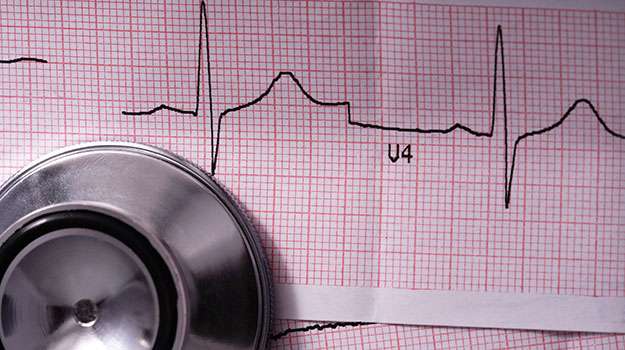
This diagnostic method allows physicians direct access to coronary arteries through a thin tube inserted into major vessels. It's invaluable in assessing heart conditions accurately while guiding treatment decisions effectively.
- Pain in the chest along with sweating might lead individuals down this investigative path toward understanding their cardiac health better through catheterization procedures conducted under local anesthesia.
- The evaluation could reveal blockages via imaging technologies enhancing further assessments based upon patient risk factors revealed during preliminary evaluations like ECGs priorly administered before undergoing catheterization itself within controlled outpatient settings typically managed by specialists carefully overseeing all aspects involved directly related towards each unique case presented accordingly therein surrounding this concern overall viewed positively amongst professionals alike universally recognized high standards maintained throughout regarding best practices upheld diligently across varied specialties represented adequately too!
ELECTROPHYSIOLOGY STUDY
This advanced diagnostic procedure examines the electrical activity of the heart to identify abnormal rhythms known as arrhythmias. It helps determine appropriate treatment strategies for managing these conditions effectively.
- Pateints experiencing excessive palpitations, dizziness, or fainting spells may be indicative signs leading to this study.
- An electrophysiology study generally involves catheter insertion through the veins into the heart under local anesthesia for thorough investigation.
- Treatment options derived from findings may include medication adjustments, catheter ablation procedures, or installation of pacemakers if needed.
- The outcome can vastly improve patients’ well-being by providing effective management solutions tailored to individual electrical disturbances in their hearts.
This test empowers patients by providing essential insights into their cardiac health and enabling targeted interventions for arrhythmias.
HEART VALVE REPAIR/REPLACEMENT
This procedure addresses issues with damaged or malfunctioning heart valves that can severely impact blood flow. Repairing or replacing a valve restores normal function, alleviating symptoms such as fatigue or shortness of breath.
- Symptoms often include heart palpitations, swelling in the legs, and dizziness associated with valve diseases like stenosis or regurgitation.
- A thorough evaluation typically incorporates echocardiograms and physical examinations for accurate diagnosis.
- Treatment options vary; some valves may be repaired while others require complete replacement using mechanical or biological valves based on individual needs.
- Patients can expect close monitoring during recovery and gradual return to normal activities after surgery.
Overall, addressing valve issues early on can significantly improve quality of life and long-term outcomes in cardiovascular health.
CORONARY BYPASS SURGERY
Coronary bypass surgery is a surgical procedure that creates a new path for blood to flow to the heart, bypassing blocked arteries. It is often recommended for patients with severe coronary artery disease when other treatments are not effective.
- Common symptoms include significant chest pain and heart attacks due to reduced blood flow.
- The condition is diagnosed through imaging tests like angiograms and stress tests evaluating heart function.
- This procedure involves grafting veins or arteries from other parts of the body to redirect blood around obstructed areas in the coronary arteries.
- Recovery may require several weeks, during which lifestyle modifications are encouraged for optimal results.
This approach enhances blood supply to the heart muscle and can lead to an improved prognosis for many patients struggling with heart disease.
ANGIOPLASTY
Angioplasty is a minimally invasive procedure used to open up blocked or narrowed coronary arteries, improving blood flow to the heart muscle. This intervention can significantly reduce symptoms of coronary artery disease and enhance quality of life.
- Symptoms may include chest pain, shortness of breath, or fatigue during physical activity.
- The diagnosis often involves tests such as an electrocardiogram (ECG), stress tests, or angiography.
- Treatment typically includes balloon dilation of the artery and possibly the placement of a stent to keep the artery open.
- Post-procedure, patients can expect improved circulation but should follow a heart-healthy lifestyle for best results.
Understanding angioplasty can empower patients to take control of their cardiovascular health and seek timely treatment when necessary.