
Dr. Rajeev Kumar
About Me
Dr. Rajeev Kumar
MD
Cardiologist
10 Years Experience
Biography
My Clinic
OPD Hours
| Monday | Morning | 10:00 AM | - | 02:00 PM |
| Evening | 06:00 PM | - | 09:00 PM | |
| Tuesday | Morning | 10:00 AM | - | 02:00 PM |
| Evening | 06:00 PM | - | 09:00 PM | |
| Wednesday | Morning | 10:00 AM | - | 02:00 PM |
| Evening | 06:00 PM | - | 09:00 PM | |
| Thursday | Morning | 10:00 AM | - | 02:00 PM |
| Evening | 06:00 PM | - | 09:00 PM | |
| Friday | Morning | 10:00 AM | - | 02:00 PM |
| Evening | 06:00 PM | - | 09:00 PM | |
| Saturday | Morning | 10:00 AM | - | 02:00 PM |
| Evening | 06:00 PM | - | 09:00 PM | |
| Sunday | Morning | 10:00 AM | - | 02:00 PM |
| Evening | 06:00 PM | - | 09:00 PM |
Treatments
Specialised care and treatments offered
PERIPHERAL ARTERY DISEASE

This circulatory condition happens when narrowed arteries reduce blood flow primarily to limbs causing discomfort particularly during exercise which prompts consideration across diverse populations alike especially seniors!
- Symptoms Overview: Common signs entail leg pain/cramping while walking-relieving upon rest along with numbness/coldness noticed within extremities involved!
VALVULAR HEART DISEASE
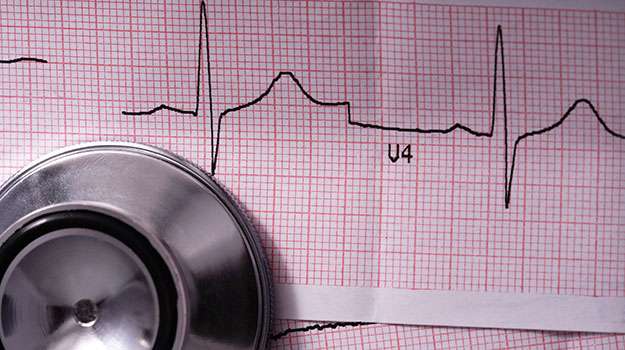
This condition involves damage to one or more valves in the heart that regulate blood flow through its chambers. It can occur due to congenital defects or acquired issues such as rheumatic fever. Recognizing valvular heart disease ensures those affected receive timely care!
- Manifestations: Individuals might report symptoms including fatigue during exertion along with swelling/shortness of breath when lying flat.
- Underlying Causes: Causes include age-related degeneration affecting valve function alongside infections leading potentially towards stenosis/incompetence!
- Diagnostic Measures: Detection occurs via auscultation revealing characteristic murmurs followed by echocardiograms/image studies assessing structure/functionality deeply!
- Therapeutic Strategies: Treatment options vary widely—from monitoring only through medication optimization possibly reaching surgical interventions like valve repair/replacement yielding promising results!
HYPERTENSION
A chronic condition characterized by elevated blood pressure levels over time is known as hypertension. It presents risks such as stroke or heart disease if not controlled properly. Early diagnosis plays a crucial role in managing this pervasive issue effectively!
- Symptoms: Hypertension often has no clear symptoms but can lead to headaches, nosebleeds or vision problems at extremely high levels.
- Risk Factors: Factors include obesity, lack of physical activity, excessive salt intake in diet along with family history could play significant roles in developing hypertension!
- Diagnosis Overview: Through regular monitoring using sphygmomanometers along with lab tests confirming underlying conditions help identify abnormalities!
- Management Techniques: Lifestyle modifications (diet changes/exercise) combined with antihypertensive medications enhance control over high blood pressure!
Lifestyle adjustments support healthy living—enabling manageable progress toward maintaining optimal cardiovascular wellness!
ATRIAL FIBRILLATION
Atrial fibrillation (AFib) is a common type of arrhythmia characterized by an irregular heartbeat that can lead to various complications if left untreated. Understanding AFib is essential for effective management and prevention strategies.
- Symptoms: Many people experience palpitations, dizziness, shortness of breath, or chest discomfort during episodes of AFib.
- Causative Factors: High blood pressure, coronary artery disease, alcohol consumption, hyperthyroidism are known contributors to this condition's onset.
- Disease Confirmation: Diagnosis often requires an ECG wherein abnormal electrical signals reveal the presence of AFib; further testing may also be needed for risk assessment.
- Treatment Approaches: Treatment includes medication for rate control or rhythm regulation; some patients may need procedures like cardioversion or ablation for long-term relief.
- Pacing Yourself: The prognosis varies; some manage well on medications alone while others necessitate procedural interventions to restore normal rhythm effectively.
A deeper understanding aids in recognizing symptoms early. Staying informed helps you take proactive steps towards your heart health journey.
HEART FAILURE
Heart failure occurs when the heart can't pump blood effectively, leading to insufficient supply to meet the body's needs. This complex condition often requires ongoing management and can affect individuals of all ages.
- Symptoms: Symptoms may include persistent fatigue, swelling in the legs or abdomen, and difficulty breathing during activity or while lying down.
- Causes: Conditions such as previous heart attacks, hypertension, diabetes, or valve disease can contribute to heart failure's development.
- Diagnosis: Diagnosis typically involves a physical exam, medical history review, and imaging tests like echocardiograms to evaluate heart function.
- Treatment & Management: Treatment might consist of medications such as diuretics and ACE inhibitors; some patients may benefit from implantable devices or surgery.
- Coping Strategies: Patients are encouraged to monitor symptoms closely and adjust their lifestyle with dietary changes and regular exercise as recommended by their healthcare team.
Sustaining a good quality of life is achievable through proper management of this condition. Ongoing communication with your doctor is vital for better health outcomes.
CORONARY ARTERY DISEASE
Coronary artery disease (CAD) is a condition resulting from the buildup of plaque in the coronary arteries, which supply blood to the heart muscle. This narrowing can lead to chest pain or even heart attacks as the heart becomes deprived of oxygen-rich blood.
- Symptoms: Common signs include chest pain (angina), shortness of breath, and fatigue during physical activities.
- Causes: Risk factors include high cholesterol, hypertension, smoking, diabetes, and a sedentary lifestyle.
- Diagnosis: A doctor may perform blood tests, an electrocardiogram (ECG), or imaging studies such as an angiogram to assess heart health.
- Treatment Options: Management may involve lifestyle changes, medications like statins and beta-blockers, and possibly procedures like angioplasty or bypass surgery.
- What to Expect: Patients can often manage symptoms effectively with treatment and should regularly follow up with their healthcare provider for monitoring.
Understanding CAD is crucial for early detection and management. Regular check-ups can make a significant difference in outcomes.