
Dr. Rajeev Kainth Clinic
About Me
Dr. Rajeev Kainth Clinic
MD
Neurologist
10 Years Experience
Biography
My Clinic
OPD Hours
| Monday | Morning | 10:00 AM | - | 02:00 PM |
| Evening | 06:00 PM | - | 09:00 PM | |
| Tuesday | Morning | 10:00 AM | - | 02:00 PM |
| Evening | 06:00 PM | - | 09:00 PM | |
| Wednesday | Morning | 10:00 AM | - | 02:00 PM |
| Evening | 06:00 PM | - | 09:00 PM | |
| Thursday | Morning | 10:00 AM | - | 02:00 PM |
| Evening | 06:00 PM | - | 09:00 PM | |
| Friday | Morning | 10:00 AM | - | 02:00 PM |
| Evening | 06:00 PM | - | 09:00 PM | |
| Saturday | Morning | 10:00 AM | - | 02:00 PM |
| Evening | 06:00 PM | - | 09:00 PM | |
| Sunday | Morning | 10:00 AM | - | 02:00 PM |
| Evening | 06:00 PM | - | 09:00 PM |
Treatments
Specialised care and treatments offered
NEUROPATHY
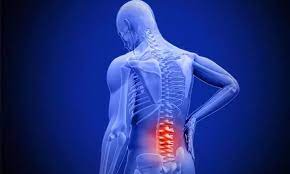
Peripheral neuropathy describes damage to peripheral nerves leading to weakness, numbness, or pain typically in limbs. Identifying underlying causes plays a vital role in developing an effective treatment plan tailored specifically for each individual case involved..
- This condition often manifests via tingling sensations or burning pain; it may stem from diabetes among other potential causes like infections or trauma
- Diagnosis entails examining history alongside nerve conduction studies assessing functionality within affected areas
- Management approaches target underlying issues whether lifestyle changes aimed at blood sugar control around diabetic neuropathy ,in conjunction with symptomatic relief methods including medications designed specifically for nerve-related discomfort .
Through proper evaluation addressing root problems combined high-level interventions patients suffering from neuropathy regain both comfort mobility greatly improving their quality sake living overall .
PARKINSON'S DISEASE
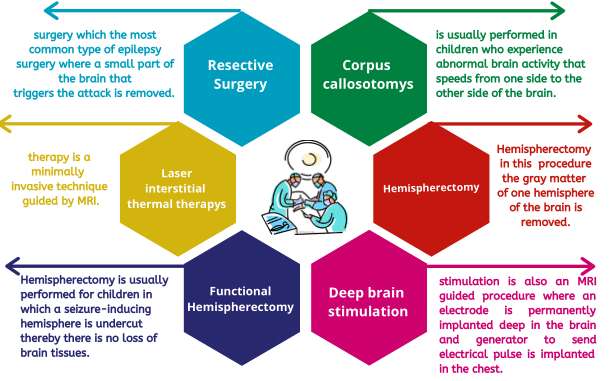
Parksinon’s disease is a progressive neurodegenerative disorder affecting movement control. Recognizing its early signs can significantly impact treatment effectiveness and quality of life for those affected by this condition.
- Main symptoms include tremors at rest, rigidity in muscles, bradykinesia (slowness of movement), and postural instability that worsens over time
- A neurologist usually diagnoses Parkinson's based on symptoms along with clinical evaluations; imaging tests may assist in ruling out other conditions but are not definitive for this disease alone.
- Treatment options aim at symptom relief primarily through dopaminergic medication such as levodopa; deep brain stimulation might also be considered when medications are ineffective
A comprehensive approach including physical therapy enhances mobility preserving independence longer as the illness progresses thereby supporting overall well-being throughout one’s journey coping with Parkinson's disease
MIGRAINE
Migraine is a common neurological condition characterized by intense headaches often accompanied by nausea or sensitivity to light and sound. Knowing how to recognize triggers can help manage episodes effectively.
- Symptoms typically include unilateral throbbing pain along with potential aura symptoms like visual disturbances beforehand.
- A thorough patient history coupled with symptom tracking helps establish a diagnosis; no specific test confirms migraines alone.
- Treatment ranges from abortive medications taken during attacks to preventive medications aimed at reducing frequency over time.
- Lifestyle changes—identifying triggers such as certain foods or stressors—can complement medical management significantly.
Migraine sufferers can find relief through both pharmacologic treatments and lifestyle modifications tailored specifically to their unique patterns of headaches.
MULTIPLE SCLEROSIS (MS)
Multiple sclerosis is an autoimmune condition that affects the central nervous system. It leads to communication problems between the brain and various parts of the body. Early detection is crucial for effective management.
- Symptoms might include fatigue, difficulty walking, numbness, or vision problems that may fluctuate over time.
- A diagnosis is made through MRI scans showing lesions in the brain along with neurological exams assessing function.
- Treatment strategies focus on managing symptoms and modifying disease progression using disease-modifying therapies (DMTs) and corticosteroids during flare-ups.
- Rehabilitation services play a significant role in improving quality of life through physical therapy and counseling support.
Catching MS early enables more effective interventions that can help manage this complex condition effectively over time.
EPILEPSY
Epilepsy is a neurological disorder characterized by recurrent seizures due to abnormal electrical activity in the brain. It can be challenging to manage but understanding its nature is vital for those affected.
- Symptoms vary widely, ranging from unusual sensations to convulsions or loss of consciousness.
- Diagnosis typically involves a thorough history, neurological examination, and electroencephalogram (EEG) monitoring to capture seizure activity.
- Treatment commonly includes antiepileptic medications aimed at controlling seizures; in some cases, surgery may be an option if medication fails.
- Lifestyle adjustments such as regular sleep patterns and stress management are essential in managing triggers.
With appropriate treatment plans tailored to individual needs, many living with epilepsy can lead fulfilling lives.
STROKE
A stroke occurs when blood flow to a part of the brain is interrupted, causing brain cells to die. Understanding the symptoms and risk factors is crucial for early recognition and management.
- Common symptoms include sudden numbness, confusion, trouble speaking, and severe headache.
- Diagnosis often involves imaging tests like CT or MRI scans to determine the type and extent of brain damage.
- Treatment may include clot-busting medications or procedures like thrombectomy for ischemic strokes; hemorrhagic strokes may require surgical intervention.
- Rehabilitation plays a critical role in recovery, focusing on physical, occupational, and speech therapy.
- Managing risk factors such as hypertension and diabetes can prevent future strokes.
If you or someone you know experiences stroke symptoms, seek emergency medical attention immediately for the best chance of recovery.