
Dr. Rahul Nehra
About Me
Dr. Rahul Nehra
MD
Cardiologist
10 Years Experience
Biography
My Clinic
OPD Hours
| Monday | Morning | 10:00 AM | - | 02:00 PM |
| Evening | 06:00 PM | - | 09:00 PM | |
| Tuesday | Morning | 10:00 AM | - | 02:00 PM |
| Evening | 06:00 PM | - | 09:00 PM | |
| Wednesday | Morning | 10:00 AM | - | 02:00 PM |
| Evening | 06:00 PM | - | 09:00 PM | |
| Thursday | Morning | 10:00 AM | - | 02:00 PM |
| Evening | 06:00 PM | - | 09:00 PM | |
| Friday | Morning | 10:00 AM | - | 02:00 PM |
| Evening | 06:00 PM | - | 09:00 PM | |
| Saturday | Morning | 10:00 AM | - | 02:00 PM |
| Evening | 06:00 PM | - | 09:00 PM | |
| Sunday | Morning | 10:00 AM | - | 02:00 PM |
| Evening | 06:00 PM | - | 09:00 PM |
Treatments
Specialised care and treatments offered
TRANSCATHETER AORTIC VALVE REPLACEMENT (TAVR)

TAVR represents an innovative approach for patients with severe aortic stenosis who are considered at high surgical risk. This less invasive technique allows replacement of a narrowed valve without traditional open-heart surgery complications!
- Symptoms often include shortness of breath, fatigue during mild activities, or syncope episodes due to reduced cardiac output.
- Diagnosis includes echocardiography revealing valve calcification alongside clinical assessments confirming symptom severity.
- The treatment involves threading a catheter through blood vessels leading up into the heart where new valves are securely positioned.
- Recovery typically involves hospital stays compared favorably against more invasive surgeries coupled with fast-track rehabilitation available thereafter.
Historically challenging cases now yield promising outcomes thanks largely due advancements introduced by TAVR technology today!
IMPLANTABLE CARDIOVERTER DEFIBRILLATOR (ICD) PLACEMENT
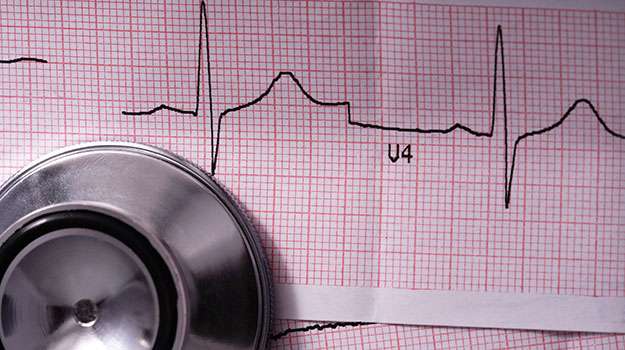
An implantable cardioverter defibrillator is crucial in managing life-threatening arrhythmias by monitoring heart rhythms and delivering shocks when necessary. This device plays a pivotal role in preventing sudden cardiac death in high-risk individuals.
- Main indicators include previous episodes of fainting or documented life-threatening arrhythmias that signal an increased risk profile.
- A comprehensive assessment involving ECGs and electrophysiology studies guides suitable candidates toward ICD implantation surgery.
- Ongoing follow-up visits allow clinicians to ensure device functionality and make necessary adjustments over time.
- Patients usually experience minimal discomfort post-surgery but require education on living with their device effectively.
The ICD significantly enhances survival odds while offering peace of mind regarding potential arrhythmia risks.
PERCUTANEOUS CORONARY INTERVENTION (PCI)
Percutaneous coronary intervention is an effective method employed for treating narrowed coronary arteries using catheters. It allows for immediate relief from angina while improving blood flow without extensive surgery.
- This condition often manifests as chest discomfort or pressure during exertion due to restricted blood supply to the heart muscle.
- Diagnostic tools such as stress tests or cardiac catheterization help identify areas requiring intervention effectively.
- The primary treatment involves inserting stents after balloon dilation during PCI procedures; this keeps arteries open long-term.
- Expect routine monitoring following the procedure along with lifestyle guidance aimed at preventing future cardiovascular events.
Cardiac rehabilitation programs may be suggested afterward for further support in recovery and heart health improvement efforts.
ATRIAL FIBRILLATION ABLATION
Atrial fibrillation (AFib) is a common arrhythmia that can cause stroke and heart failure if left untreated. Ablation therapy uses heat or cold energy to destroy small areas of heart tissue that contribute to abnormal electrical signals.
- Typical symptoms include palpitations, weakness, dizziness, and anxiety during episodes of AFib.
- A thorough evaluation through an electrocardiogram (ECG) is performed to confirm the diagnosis before considering ablation therapy.
- Treatment may involve medication management alongside ablation for optimal results; lifestyle changes are also recommended post-procedure.
- Recovery may take a few weeks, during which regular follow-ups are essential for monitoring heart rhythm stabilization.
This procedure offers many patients relief from AFib symptoms and reduces the risk of related complications significantly.
HEART VALVE REPAIR/REPLACEMENT
Heart valve issues can severely affect cardiac function and lead to symptoms like breathlessness or palpitations. Repairing or replacing damaged valves helps restore normal blood flow through the heart.
- Common symptoms include fatigue, swelling in the legs, and irregular heartbeat depending on which valve is affected.
- Diagnosis usually involves echocardiograms to visualize valve structure and function accurately.
- Treatment strategies range from surgical repair techniques to complete replacements with mechanical or biological valves.
- Patients undergoing these procedures often require monitoring for several weeks post-operation as they adapt to changes in heart function.
The success rates for these procedures are high, allowing many patients to return to normal activities with improved symptoms.
CORONARY ANGIOPLASTY
Coronary angioplasty is a minimally invasive procedure designed to open narrowed or blocked coronary arteries. This condition, often caused by atherosclerosis, can lead to heart attacks and other serious complications if not addressed.
- Symptoms may include chest pain (angina), shortness of breath, and fatigue during physical activity.
- The diagnosis typically involves imaging tests such as coronary angiography, which can pinpoint the exact locations and severity of blockages.
- Treatment options include balloon angioplasty to widen the artery and the possible placement of a stent to keep it open.
- Post-procedure, patients can expect a short recovery period and may be advised on lifestyle changes to improve heart health.
By improving blood flow to the heart muscle, this procedure can significantly enhance quality of life for patients with coronary artery disease.