
Dr. Radha Vats
About Me
Dr. Radha Vats
MS
General Surgeons
10 Years Experience
Biography
My Clinic
OPD Hours
| Monday | Morning | 10:00 AM | - | 02:00 PM |
| Evening | 06:00 PM | - | 09:00 PM | |
| Tuesday | Morning | 10:00 AM | - | 02:00 PM |
| Evening | 06:00 PM | - | 09:00 PM | |
| Wednesday | Morning | 10:00 AM | - | 02:00 PM |
| Evening | 06:00 PM | - | 09:00 PM | |
| Thursday | Morning | 10:00 AM | - | 02:00 PM |
| Evening | 06:00 PM | - | 09:00 PM | |
| Friday | Morning | 10:00 AM | - | 02:00 PM |
| Evening | 06:00 PM | - | 09:00 PM | |
| Saturday | Morning | 10:00 AM | - | 02:00 PM |
| Evening | 06:00 PM | - | 09:00 PM | |
| Sunday | Morning | 10:00 AM | - | 02:00 PM |
| Evening | 06:00 PM | - | 09:00 PM |
Treatments
Specialised care and treatments offered
LAPAROSCOPIC SURGERY
Laparoscopic surgery represents an advanced technique involving small incisions for accessing internal structures while minimizing trauma compared to traditional open surgeries. This approach offers numerous benefits concerning recovery times and postoperative discomforts。
- Candidates may undergo this type of surgery for varied reasons—gallbladder removal (cholecystectomy), hernia repair (inguinal), among others famously benefiting from less invasive procedures.
- The diagnosis phase often combines physical examinations followed by imaging studies where appropriate.
- Benefits include reduced scarring due simply because smaller instruments necessitate lesser incision lengths.
- Recovery periods are generally brisk relative favorably against standard practices; patients often resume regular activities slightly earlier than expected.
Gaining familiarity regarding laparoscopic operations motivates proactive discussions with healthcare teams about potential interventions suited toward specific needs while enhancing patient comfort levels pre-and post-operation!
THYROID SURGERY

Surgery on the thyroid gland may be indicated for various conditions such as nodules or cancer. The opportunity for effective treatment enhances overall health when monitored closely by medical professionals.
- The presence of symptoms such as difficulty swallowing or breathing may prompt evaluation for potential thyroid issues related to goiters or malignancies。
- Diagnostic methods include blood tests assessing hormone levels alongside imaging techniques like ultrasounds.
- Surgical interventions can involve lobectomy (removal of part of the thyroid) or total thyroidectomy depending on individual diagnoses。
- Recovery typically includes monitoring hormone levels post-surgery with final pathology results guiding future management strategies。
Timely assessment is essential; understanding whether surgery is warranted can lead individuals toward better health trajectories through informed decision-making.
COLONOSCOPY
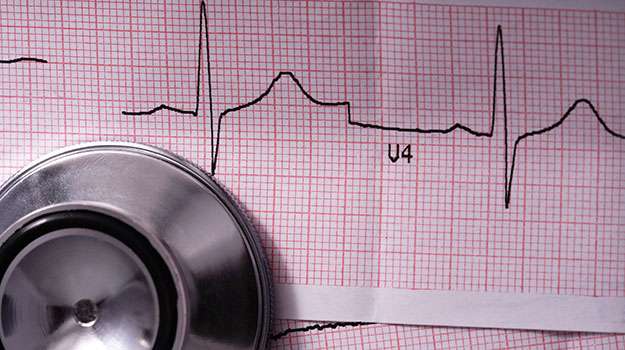
A colonoscopy is a crucial screening tool for detecting colon cancer and other gastrointestinal problems. It allows for direct visualization of the colon's interior using a flexible tube with a camera at its tip.
- This procedure helps identify polyps, tumors, and areas of inflammation or bleeding in the colon during examination.
- Preparation involves dietary changes and possibly laxatives to ensure optimal conditions for a clear view during examination.
- If any abnormalities are detected during the procedure, biopsies can be taken instantaneously for further analysis。
- The discomfort associated with colonoscopy is often minimal due to sedation provided prior to the examination
- Regular screening starting at age 45—or sooner based on personal history—can significantly reduce colon cancer risk.
Early detection leads to improved outcomes; therefore, understanding this preventive measure encourages participation in regular screenings.
CHOLECYSTECTOMY
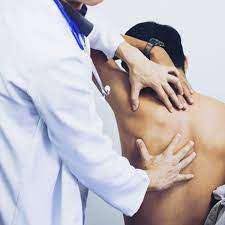
A cholecystectomy is a surgical procedure for removing the gallbladder, commonly performed due to gallstones that lead to inflammation or other complications. Understanding this procedure helps alleviate concerns surrounding gallbladder diseases.
- Patients might experience symptoms like abdominal pain, especially after eating fatty foods, nausea, and jaundice in severe cases.
- The diagnosis relies on imaging tests such as ultrasounds or MRIs to confirm stone presence and assess gallbladder function.
- Surgical options include laparoscopic cholecystectomy, which minimizes recovery time compared to traditional open surgery.
- Most patients will adapt well post-surgery, with many returning home the same day or within a day after surgery; dietary adjustments may be recommended initially.
This procedure effectively addresses gallbladder issues while allowing patients to lead healthy lives afterward with proper care.
HERNIA REPAIR
A hernia occurs when an organ or tissue pushes through a weak spot in the surrounding muscle or connective tissue. Surgical intervention is often necessary to repair the defect and prevent further complications.
- Common types include inguinal, umbilical, and incisional hernias, with symptoms such as swelling or bulging at the site and discomfort.
- Diagnosis usually involves physical examinations along with imaging studies if needed.
- Surgical options include open repair or laparoscopic approaches tailored to the specific hernia type.
- The recovery period varies but generally allows individuals to resume normal activities within a few weeks following surgery.
Seeking timely treatment can significantly improve quality of life and prevent complications associated with untreated hernias.
APPENDECTOMY
An appendectomy is a surgical procedure used to remove the appendix, often due to inflammation known as appendicitis. This condition can escalate quickly and cause serious complications if not addressed promptly.
- Symptoms of appendicitis include abdominal pain, fever, and nausea.
- The diagnosis is typically made through physical exams and imaging tests like ultrasound or CT scans.
- Treatment primarily involves surgical removal of the appendix, which can be performed using traditional open techniques or minimally invasive laparoscopic methods.
- Post-surgery, most patients can expect to return to normal activities within a few weeks, although full recovery may take longer.
Timely treatment is crucial for preventing severe complications, making awareness of symptoms essential.