
Dr. Puneet Khurana Clinic
About Me
Dr. Puneet Khurana Clinic
MBBS
General Physician
10 Years Experience
Biography
My Clinic
OPD Hours
| Monday | Morning | 10:00 AM | - | 02:00 PM |
| Evening | 06:00 PM | - | 09:00 PM | |
| Tuesday | Morning | 10:00 AM | - | 02:00 PM |
| Evening | 06:00 PM | - | 09:00 PM | |
| Wednesday | Morning | 10:00 AM | - | 02:00 PM |
| Evening | 06:00 PM | - | 09:00 PM | |
| Thursday | Morning | 10:00 AM | - | 02:00 PM |
| Evening | 06:00 PM | - | 09:00 PM | |
| Friday | Morning | 10:00 AM | - | 02:00 PM |
| Evening | 06:00 PM | - | 09:00 PM | |
| Saturday | Morning | 10:00 AM | - | 02:00 PM |
| Evening | 06:00 PM | - | 09:00 PM | |
| Sunday | Morning | 10:00 AM | - | 02:00 PM |
| Evening | 06:00 PM | - | 09:00 PM |
Treatments
Specialised care and treatments offered
GASTROINTESTINAL HEALTH AWARENESS

The gastrointestinal tract plays a key role in our overall wellness as it affects nutrient absorption and immune response. Staying informed about common gastrointestinal issues promotes proactive care!
- < l i >< str ong>
WEIGHT MANAGEMENT PROGRAMS

The journey toward achieving and maintaining a healthy weight involves careful planning and sustainable practices. Weight management focuses not just on aesthetics but on overall well-being too!
- Symptoms: Unwanted weight gain often leads individuals toward fatigue affecting both mental clarity & motivation adversely impacting everyday life activities too!
- Causes: Poor dietary habits combined with insufficient physical activity play significant roles alongside emotional eating patterns influencing weight outcomes negatively over time!
- Diagnosis: Body Mass Index (BMI) calculations assess weight categories indicating potential risks associated! Clinical evaluations also consider associated comorbidities leading healthcare professionals toward creating effective personalized plans accordingly!
- Treatment Options: Emphasis lies within balanced meal planning combined with gradual increases in activity—setting realistic goals fostering support systems facilitates motivation throughout this transformation! Behavioral therapies integrated alongside nutritional counseling offer added insights too!< l i >/ s trong / What t o Ex pec t : / s tr ong / Ongoing assessments pave path towards successful attainment encouraging accountability while celebrating milestones inspires continued efforts down this rewarding path! / l i >
RESPIRATORY HEALTH MANAGEMENT

Mild respiratory conditions like asthma or chronic bronchitis require careful attention. Proper management can improve lung function and quality of life adversely affected by these conditions.
- Symptoms: Include wheezing, shortness of breath, persistent coughing especially at night or early morning.
- Causes: Could range from allergens like pollen or mold to irritants including smoke or pollution that trigger an exacerbation.
- Diagnosis: A thorough clinical assessment complemented by spirometry tests helps confirm respiratory disorders.
- Treatment Options: Aim consists of avoiding triggers alongside utilizing inhalers (bronchodilators) or corticosteroids where indicated. Lifestyle changes like quitting smoking further boost lung health.
- What to Expect: Regular monitoring through using peak flow meters can assist patients in identifying worsening lung function early on for timely interventions.
Adequate awareness leads to better control over respiratory issues ensuring well-being over time
CHOLESTEROL MANAGEMENT
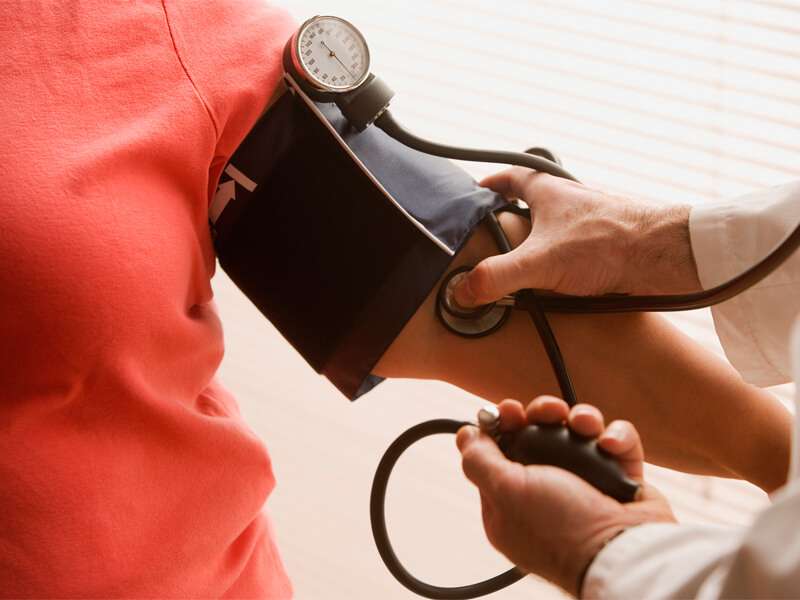
Elevated cholesterol levels can increase the risk of heart disease. Understanding how to manage cholesterol effectively is essential for overall cardiovascular health.
- Symptoms: Often asymptomatic; however, high cholesterol may result in chest pain or heart attacks in severe cases.
- Causes: Diet rich in saturated fats, lack of physical activity, obesity, and genetic factors contribute significantly to high cholesterol levels.
- Diagnosis: A simple blood test called a lipid panel measures the total cholesterol level along with LDL and HDL types.
- Treatment Options:
DIABETES MANAGEMENT

Diabetes is a chronic condition characterized by elevated blood sugar levels. Effective management is vital to prevent complications and maintain a healthy lifestyle.
- Symptoms: Common indicators include increased thirst, frequent urination, fatigue, and blurred vision.
- Causes: Type 1 diabetes results from autoimmune destruction of insulin-producing cells while Type 2 involves insulin resistance influenced by lifestyle factors.
- Diagnosis: Blood tests measuring glucose levels help in confirming the diagnosis of diabetes.
- Treatment Options: A combination of dietary modifications, exercise regimens, and sometimes insulin therapy is important for effective control.
- What to Expect: Continuous self-monitoring of blood sugar levels is encouraged along with regular consultations to assess overall management strategies.
Caring for diabetes requires commitment but can be successfully managed with proper guidance and education.
HYPERTENSION MANAGEMENT

Hypertension, or high blood pressure, is a common health concern that often goes unnoticed. It can lead to serious complications if not addressed properly. Understanding its management is crucial for long-term health.
- Symptoms: Many individuals experience no symptoms; however, some may report headaches, shortness of breath, or nosebleeds.
- Causes: Factors include genetic predisposition, unhealthy diet, physical inactivity, and excessive alcohol consumption.
- Diagnosis: Blood pressure is measured using a sphygmomanometer during routine check-ups or when symptoms arise.
- Treatment Options: Lifestyle changes such as adopting a balanced diet low in sodium, regular physical activity, and stress management are essential. Medications may also be prescribed if necessary.
- What to Expect: Regular monitoring of blood pressure levels and adjustments to treatment plans are common as one strives for optimal health.
A proactive approach towards hypertension can significantly reduce health risks associated with this condition.