
Dr. Puneet Bhatnagar
About Me
Dr. Puneet Bhatnagar
MS
Orthopaedic Surgeons
10 Years Experience
Biography
My Clinic
OPD Hours
| Monday | Morning | 10:00 AM | - | 02:00 PM |
| Evening | 06:00 PM | - | 09:00 PM | |
| Tuesday | Morning | 10:00 AM | - | 02:00 PM |
| Evening | 06:00 PM | - | 09:00 PM | |
| Wednesday | Morning | 10:00 AM | - | 02:00 PM |
| Evening | 06:00 PM | - | 09:00 PM | |
| Thursday | Morning | 10:00 AM | - | 02:00 PM |
| Evening | 06:00 PM | - | 09:00 PM | |
| Friday | Morning | 10:00 AM | - | 02:00 PM |
| Evening | 06:00 PM | - | 09:00 PM | |
| Saturday | Morning | 10:00 AM | - | 02:00 PM |
| Evening | 06:00 PM | - | 09:00 PM | |
| Sunday | Morning | 10:00 AM | - | 02:00 PM |
| Evening | 06:00 PM | - | 09:00 PM |
Treatments
Specialised care and treatments offered
PLANTAR FASCIITIS
This condition manifests as heel pain resulting from inflammation of the plantar fascia—a thick band of tissue that runs across the bottom of your foot connecting your heel bone to your toes. This often leads to difficulty walking comfortably due to sharp pains felt when taking those initial steps after long periods of rest.
SPINAL DISC HERNIATION

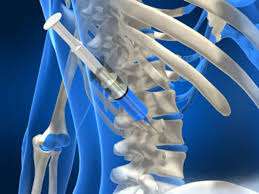
A spinal disc herniation occurs when an intervertebral disc bulges out from its normal position. It can lead to pain radiating down the legs (sciatica) depending on where it happens within your spine.
ROTATOR CUFF INJURY

A rotator cuff injury refers to damage to the group of muscles and tendons that stabilize the shoulder. This injury can impair arm motion and cause significant discomfort.
- Symptoms: Pain during overhead activities or lifting objects is common alongside limited range of motion in the shoulder joint.
- Causes: Injuries may arise from acute trauma or recurrent stress on the shoulder due to sports activities such as swimming or tennis which involve extensive arm use.
- Diagnosis: Comprehensive assessments involving physical examinations along with imaging techniques like ultrasound or MRI scans assist in confirming rotator cuff injuries accurately
CARPAL TUNNEL SYNDROME

This condition occurs when the median nerve becomes compressed at the wrist level inside the carpal tunnel. It results in discomfort often affecting hands and fingers.
- Symptoms: Typical indicators include numbness or tingling sensations in fingers particularly affecting the thumb, index finger, middle finger, leading to weakness over time.
- Causes: Factors contributing to carpal tunnel syndrome might include repetitive hand movements or underlying health issues such as diabetes or rheumatoid arthritis.
- Diagnosis: A clinician will perform a detailed hand exam along with possible nerve conduction studies to assess median nerve function accurately.
- Treatment options: Initial treatments typically focus on wrist splinting during nighttime hours; further interventions can involve corticosteroid injections or potentially surgical procedures for persistent cases.
A proactive approach toward maintaining wrist health can help manage symptoms effectively and improve overall hand function.
TENDINITIS

Tendinitis is the inflammation of a tendon that can occur due to repetitive use or overloading. It commonly affects areas such as the shoulder, elbow, wrist, knee, and Achilles tendon.
- Symptoms: Patients typically experience localized pain during movement or activity along with tenderness and swelling around the affected tendon.
- Causes: Key contributors include repetitive motions in sports or occupations as well as age-related wear on tendons.
- Diagnosis: Diagnosis often involves patient history review and physical examination; imaging studies may be required in certain cases to rule out other conditions.
- Treatment options: Strategies may encompass rest, ice application, anti-inflammatory medications, physical therapy exercises aimed at strengthening surrounding muscles while reducing tendon stress.
- Recovery outlook: Most patients recover fully with proper care; however, adherence to treatment recommendations is crucial to prevent recurrence.
Tendinitis can significantly impact daily life but effective management strategies exist to alleviate symptoms and restore functionality.
OSTEOARTHRITIS

Osteoarthritis is a degenerative joint disease characterized by the breakdown of cartilage in the joints. It often affects weight-bearing joints such as the knees and hips, leading to pain and stiffness.
- Symptoms: Common signs include joint pain, swelling, stiffness after inactivity, and a reduced range of motion.
- Causes: Risk factors include age, obesity, previous joint injuries, and genetic predisposition.
- Diagnosis: A thorough physical examination, imaging tests like X-rays or MRIs, and an assessment of medical history are crucial for diagnosis.
- Treatment options: Management may involve lifestyle modifications, physical therapy, medications for pain relief, and in severe cases, surgical interventions like joint replacement.
- Patient expectations: Many individuals find significant relief through conservative management; however, some may require operative solutions if pain persists or worsens.
Understanding osteoarthritis is vital for proper management. Consult healthcare professionals for personalized treatment plans.