
Dr. Pravin Jain
About Me
Dr. Pravin Jain
MBBS
General Physician
10 Years Experience
Biography
My Clinic
OPD Hours
| Monday | Morning | 10:00 AM | - | 02:00 PM |
| Evening | 06:00 PM | - | 09:00 PM | |
| Tuesday | Morning | 10:00 AM | - | 02:00 PM |
| Evening | 06:00 PM | - | 09:00 PM | |
| Wednesday | Morning | 10:00 AM | - | 02:00 PM |
| Evening | 06:00 PM | - | 09:00 PM | |
| Thursday | Morning | 10:00 AM | - | 02:00 PM |
| Evening | 06:00 PM | - | 09:00 PM | |
| Friday | Morning | 10:00 AM | - | 02:00 PM |
| Evening | 06:00 PM | - | 09:00 PM | |
| Saturday | Morning | 10:00 AM | - | 02:00 PM |
| Evening | 06:00 PM | - | 09:00 PM | |
| Sunday | Morning | 10:00 AM | - | 02:00 PM |
| Evening | 06:00 PM | - | 09:00 PM |
Treatments
Specialised care and treatments offered
VACCINATION UPDATES
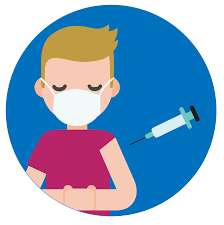
Keeps us safe from various infectious diseases through timely vaccinations based on age groups which change over time according to latest guidelines from health authorities
.- Importance: Vaccines play a crucial role in preventing illnesses such as influenza or hepatitis B while ensuring community immunity against outbreaks among populations.Avoiding vaccines increases susceptibility risks within society.
- Administration: Routine immunizations typically begin in childhood yet require updates throughout adulthood depending upon exposure likelihoods among occupational hazards etc.
- Recommendations: Regular evaluations determine what vaccinations should be given at specific ages promoting overall public safety standards across demographic lines.
Staying current with proper vaccination schedules protects both individual patients along communities ensuring widespread safety against viral infections particularly during seasonal surges.Following healthcare professionals' advice ensures adherence relevant public safety measures aiding prevention effectively!
PREVENTIVE HEART HEALTH EVALUATION

A preventive heart health evaluation assesses factors that contribute to cardiovascular diseases. This evaluation is critical in preventing heart attacks or strokes through early interventions
.- Symptoms: Many cardiovascular issues develop without noticeable signs until severe; hence preventive checks are vital.
- Diagnosis: Standard evaluations include assessing family history, blood pressure readings, cholesterol levels, and lifestyle habits that affect heart health.
- Treatment: Depending on risk factors identified during assessment, physicians may recommend lifestyle changes such as diet improvements or physical activity programs; medications might also be indicated.
- Future Outlook: Regular monitoring enhances awareness of your cardiovascular status leading towards heart-healthy choices.
Maintaining heart health proactively reduces risks associated with cardiac diseases significantly over time.
RESPIRATORY WELLNESS SCREENING
The respiratory system plays a crucial role in overall health. Routine screenings help detect conditions like asthma or chronic obstructive pulmonary disease (COPD) early on when they can be managed more effectively.
- Symptoms: Coughing, wheezing, shortness of breath, or frequent respiratory infections are signs that warrant further evaluation.
- Differential Diagnosis: Diagnostic tests include spirometry to assess lung function along with physical examinations to evaluate symptoms comprehensively.
- Treatment Options: Treatment may involve medications like bronchodilators or inhaled steroids alongside recommendations for lifestyle adjustments including smoking cessation if applicable.
An active focus on respiratory wellness can improve quality of life significantly and promote longevity through proper management strategies.
ANNUAL HEALTH CHECK-UPS
An annual health check-up is an essential practice for maintaining overall well-being. It helps in the early detection of potential health issues before they become serious problems.
- Purpose: Regular assessments can identify risk factors related to chronic diseases such as heart disease or diabetes earlier on.
- Makesup: A typical check-up includes various tests: blood pressure monitoring, cholesterol screening, glucose testing, and possibly other screenings based on age and gender.
- Treatment/Management: Results from these assessments guide recommendations for lifestyle changes or the need for further diagnostic procedures.
- The Benefits: Early detection allows for timely interventions that could dramatically alter health trajectories positively.
Your commitment to annual check-ups can pave the way for a healthier future through informed decisions about your health status.
DIABETES SCREENING AND MANAGEMENT

Diabetes is a metabolic disorder characterized by high blood sugar levels. Early screening is important to prevent complications associated with the disease.
- Symptoms: Common symptoms include excessive thirst, frequent urination, extreme fatigue, and blurred vision.
- Diagnosis: Blood tests such as fasting plasma glucose or HbA1c tests help determine blood sugar levels and diagnose diabetes.
- Treatment: Management strategies include lifestyle changes like diet modifications and exercise; medications such as insulin therapy may be needed based on severity.
- What to expect: Continuous monitoring of blood sugar levels is essential for effective disease management and prevention of complications.
A proactive approach in diabetes care leads to improved quality of life and better health outcomes.
HYPERTENSION MANAGEMENT
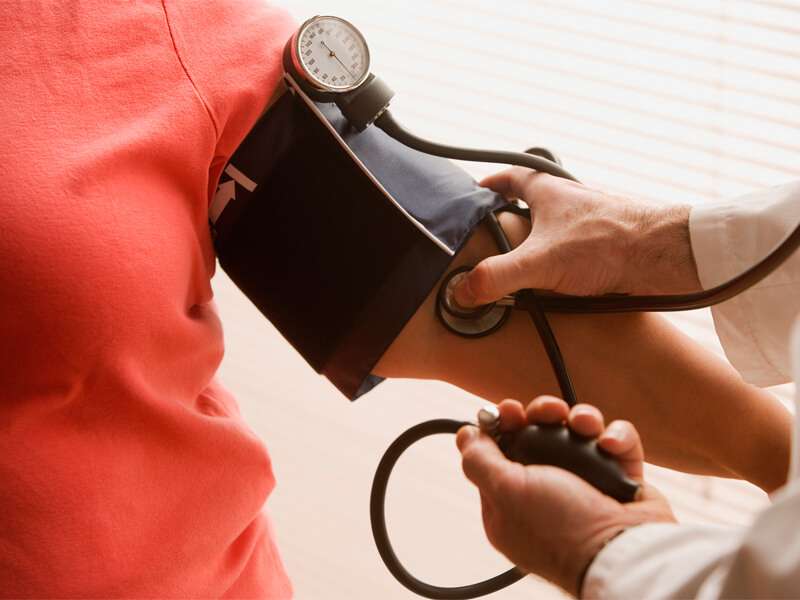
Hypertension, or high blood pressure, is a common condition that can lead to serious health issues if left untreated. It often has no noticeable symptoms, making regular monitoring essential.
- Symptoms: Many individuals do not experience noticeable symptoms; however, some may have headaches, dizziness, or nosebleeds.
- Diagnosis: Blood pressure is measured using a sphygmomanometer during a routine check-up; multiple readings are recommended for an accurate diagnosis.
- Treatment: Lifestyle modifications such as a low-sodium diet, regular exercise, and weight management are crucial. Medications like diuretics or ACE inhibitors may also be prescribed.
- What to expect: Regular follow-ups are necessary to monitor blood pressure levels and adjust treatment plans accordingly.
Managing hypertension effectively can significantly reduce the risk of heart disease and stroke.