
Dr. Praveen Jain
About Me
Dr. Praveen Jain
MS
Orthopaedic Surgeons
10 Years Experience
Biography
My Clinic
OPD Hours
| Monday | Morning | 10:00 AM | - | 02:00 PM |
| Evening | 06:00 PM | - | 09:00 PM | |
| Tuesday | Morning | 10:00 AM | - | 02:00 PM |
| Evening | 06:00 PM | - | 09:00 PM | |
| Wednesday | Morning | 10:00 AM | - | 02:00 PM |
| Evening | 06:00 PM | - | 09:00 PM | |
| Thursday | Morning | 10:00 AM | - | 02:00 PM |
| Evening | 06:00 PM | - | 09:00 PM | |
| Friday | Morning | 10:00 AM | - | 02:00 PM |
| Evening | 06:00 PM | - | 09:00 PM | |
| Saturday | Morning | 10:00 AM | - | 02:00 PM |
| Evening | 06:00 PM | - | 09:00 PM | |
| Sunday | Morning | 10:00 AM | - | 02:00 PM |
| Evening | 06:00 PM | - | 09:00 PM |
Treatments
Specialised care and treatments offered
FRACTURES
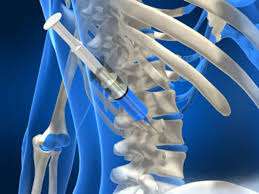
A fracture denotes a break in bone continuity commonly resulting from trauma or stress factors. Understanding fractures' types—like closed vs. open—is important in managing them effectively.
- Symptoms typically feature intense pain at the injury site along with swelling and inability to move the affected area properly.
- A definitive diagnosis is often made via X-rays or CT scan results showing disruptions in normal bone structure;||||||||Treatment approaches vary based on fracture type but generally include immobilization through casts/splints alongside rehabilitation exercises post-healing—surgery might be necessary for complicated breaks.|/U> | Registering an early assessment will guide optimal treatments while reducing potential complications arising from untreated fractures.|
TENDINITIS

Tendinitis is an inflammation or irritation of a tendon that can occur due to overuse or sudden injury. Commonly affected areas include shoulders, elbows (tennis elbow), knees (jumper’s knee), and wrists.
- The primary symptoms consist of localized pain and tenderness around a joint associated with movement difficulties.
- Diagnosis usually involves clinical evaluation along with imaging tests if needed.
- Treatment usually includes rest, ice application for swelling reduction, physical therapy aimed at stretching/strengthening exercises, along with anti-inflammatory medications.
- Patients generally recover well with appropriate management but should remain vigilant about preventing recurrence through proper technique in activities.
Being proactive about your tendon health can help prevent tendinitis from becoming a chronic issue.
CARPAL TUNNEL SYNDROME

This condition results from pressure on the median nerve within the wrist's carpal tunnel. It is often linked to repetitive hand use or conditions such as diabetes.
- Affected individuals may experience symptoms like tingling sensations, persistent pain in the hand/arm, or difficulty gripping objects firmly.
- The diagnosis may involve physical examinations alongside nerve conduction studies to assess median nerve functionality.
- Treatment plans typically begin with conservative measures including splints and anti-inflammatory medications; more persistent cases might need surgical release of the pressure on the nerve.
An early diagnosis can significantly alleviate symptoms associated with carpal tunnel syndrome and improve hand function long-term.
HERNIATED DISC

This spinal condition occurs when the inner gel-like core of a disc protrudes through its outer layer. Usually caused by aging or trauma, it can lead to significant discomfort.
- Common symptoms include back pain radiating to limbs (sciatica), numbness, and muscle weakness.
- Diagnosis generally involves a thorough medical history review coupled with imaging techniques like MRI or CT scans.
- Treatment may start conservatively with physical therapy and pain medication; severe cases could require surgical intervention to relieve nerve pressure.
- Pain management strategies are vital in helping patients return to daily activities effectively while avoiding further injury.
A solid understanding of herniated discs enables informed decisions about your treatment pathway.
ROTATOR CUFF INJURY

A rotator cuff injury refers to damage in the group of muscles and tendons that stabilize the shoulder. It is commonly caused by repetitive overhead motions or acute injuries.
- Typical symptoms include shoulder pain, weakness when lifting objects, and a restricted range of motion.
- The diagnosis can be confirmed via physical exams along with imaging tests such as MRI or ultrasound.
- Management often encompasses rest, physical therapy exercises aimed at strengthening surrounding muscles, and anti-inflammatory medications; surgery may be considered for severe cases.
- Recovery expectations vary; however, rehabilitation plays a key role in restoring function post-injury.
Understanding your condition’s nature is crucial for effective recovery from a rotator cuff injury.
OSTEOARTHRITIS

This degenerative joint disease affects millions, causing pain and stiffness in the joints. It primarily occurs due to wear and tear over time, leading to the breakdown of cartilage.
- Symptoms include joint pain, swelling, and reduced mobility.
- Diagnosis is often made through physical examinations, imaging tests like X-rays, and patient history.
- Treatment options may involve lifestyle modifications, physical therapy, medications for pain relief, or even surgical interventions in advanced cases.
- Managing osteoarthritis effectively helps improve quality of life by minimizing discomfort and maintaining joint function.
- Patients can expect ongoing management strategies tailored to their specific needs and lifestyle adjustments for optimal joint health.
Coping with osteoarthritis requires a comprehensive approach that combines medical treatment with proactive self-care.