
Dr. Parvez Ahmad
About Me
Dr. Parvez Ahmad
MBBS
General Physician
10 Years Experience
Biography
My Clinic
OPD Hours
| Monday | Morning | 10:00 AM | - | 02:00 PM |
| Evening | 06:00 PM | - | 09:00 PM | |
| Tuesday | Morning | 10:00 AM | - | 02:00 PM |
| Evening | 06:00 PM | - | 09:00 PM | |
| Wednesday | Morning | 10:00 AM | - | 02:00 PM |
| Evening | 06:00 PM | - | 09:00 PM | |
| Thursday | Morning | 10:00 AM | - | 02:00 PM |
| Evening | 06:00 PM | - | 09:00 PM | |
| Friday | Morning | 10:00 AM | - | 02:00 PM |
| Evening | 06:00 PM | - | 09:00 PM | |
| Saturday | Morning | 10:00 AM | - | 02:00 PM |
| Evening | 06:00 PM | - | 09:00 PM | |
| Sunday | Morning | 10:00 AM | - | 02:00 PM |
| Evening | 06:00 PM | - | 09:00 PM |
Treatments
Specialised care and treatments offered
THYROID FUNCTION TESTING

The thyroid gland plays a crucial role in regulating metabolism through hormone production. Testing its function is important for diagnosing related disorders such as hypothyroidism or hyperthyroidism.
- Symptoms of Thyroid Disorders: Fatigue, weight fluctuations, mood changes are often associated with thyroid dysfunctions.
- Causative Elements: Genetic predisposition along with autoimmune diseases can affect thyroid health significantly.
- Disease Diagnosis: Blood tests measuring TSH (Thyroid Stimulating Hormone), T3 and T4 hormone levels help assess thyroid function accurately.
ANEMIA EVALUATION
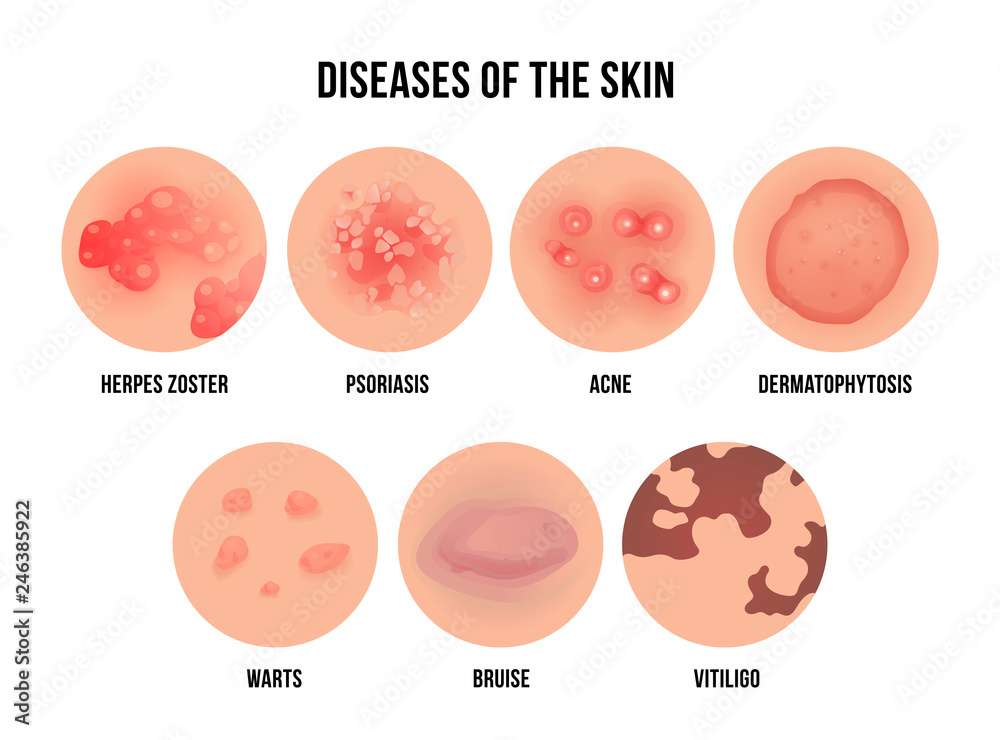
Anemia occurs when the body lacks enough healthy red blood cells to carry adequate oxygen to tissues. Identifying the underlying cause is key in addressing this condition effectively.
- Symptoms: Fatigue, weakness, shortness of breath, and pale skin are common indicators of anemia.
- Causal Factors: Various factors such as iron deficiency, chronic diseases, or vitamin deficiencies contribute to anemia's development.
- Diagnosis: A complete blood count (CBC) test will reveal hemoglobin levels and help identify specific types of anemia based on further testing if needed.
- Treatment Strategies: Treatment may involve dietary changes to increase iron intake or supplements; in severe cases, transfusions might be necessary.
A thorough evaluation allows for tailored treatment plans that improve quality of life for individuals suffering from anemia.
DIABETES SCREENING

Diabetes is a chronic condition characterized by high blood sugar levels. Early detection through screening is vital for effective management and preventing complications.
- Symptoms: Common symptoms include increased thirst, frequent urination, fatigue, and blurred vision.
- Causative Factors: Risk factors include obesity, sedentary habits, age over 45 years, and a family history of diabetes.
- Diagnosis: Blood tests such as fasting plasma glucose or HbA1c tests are standard for diagnosing diabetes.
- Treatment Options: Management includes lifestyle changes like diet modification along with medications or insulin therapy when necessary.
A prompt diagnosis ensures patients can make informed choices about their health and receive the support they need.
HYPERTENSION MANAGEMENT
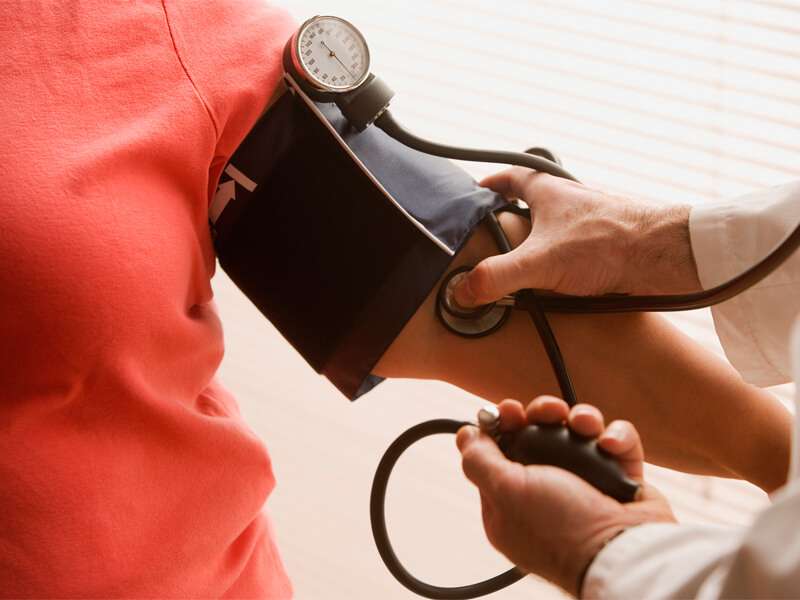
Hypertension, or high blood pressure, is a common medical condition that affects millions of individuals worldwide. It can lead to serious health issues if left unmanaged.
- Symptoms: Often referred to as the 'silent killer,' hypertension may present with headaches, dizziness, or nosebleeds.
- Causes: Factors contributing to hypertension include obesity, a sedentary lifestyle, high salt intake, and family history.
- Diagnosis: A healthcare professional typically measures blood pressure during routine check-ups; monitoring may be recommended in suspected cases.
- Treatment: Options range from lifestyle modifications like diet and exercise to medications such as diuretics and ACE inhibitors.
- Management: Regular follow-up appointments are crucial to monitor blood pressure levels and adjust treatment plans accordingly.
With proper management, individuals can lead healthy lives while controlling their hypertension effectively.