
Dr. Parmod Kumar
About Me
Dr. Parmod Kumar
MBBS
General Physician
10 Years Experience
Biography
My Clinic
OPD Hours
| Monday | Morning | 10:00 AM | - | 02:00 PM |
| Evening | 06:00 PM | - | 09:00 PM | |
| Tuesday | Morning | 10:00 AM | - | 02:00 PM |
| Evening | 06:00 PM | - | 09:00 PM | |
| Wednesday | Morning | 10:00 AM | - | 02:00 PM |
| Evening | 06:00 PM | - | 09:00 PM | |
| Thursday | Morning | 10:00 AM | - | 02:00 PM |
| Evening | 06:00 PM | - | 09:00 PM | |
| Friday | Morning | 10:00 AM | - | 02:00 PM |
| Evening | 06:00 PM | - | 09:00 PM | |
| Saturday | Morning | 10:00 AM | - | 02:00 PM |
| Evening | 06:00 PM | - | 09:00 PM | |
| Sunday | Morning | 10:00 AM | - | 02:00 PM |
| Evening | 06:00 PM | - | 09:00 PM |
Treatments
Specialised care and treatments offered
PREVENTIVE VACCINATIONS CONSULTATION
The role of preventive vaccinations in maintaining public health cannot be overlooked. Vaccines help prevent serious diseases and safeguard oneself against infectious agents that pose considerable risks to overall health status.
- Symptoms/Causes :While vaccines primarily aim at prevention rather than addressing existing symptoms ; lack thereof might initiate susceptibility towards illnesses such as measles , mumps & rubella among others .
- Diagnosis :The necessity arises following detailed discussions around previous vaccination history alongside current public health recommendations regarding immunizations required based upon age & individual medical backgrounds .
- Treatment/Management : Pediatric vaccinations typically initiated during infancy continue throughout adulthood ensuring lasting immunity over time against preventable infectious diseases leading into adulthood depending upon demographics alongside geographical exposures considered important too < l i style ="margin-bottom:0px;">The impact vaccinations have extends beyond just protecting individuals but also contributes significantly towards herd immunity preventing outbreaks within communities thus highlighting societal responsibilities linked therein too Ensuring an up-to-date vaccination schedule ultimately aligns personal welfare seamlessly intertwined amongst communal wellbeing fostering healthier environments all around !
GASTROINTESTINAL HEALTH EVALUATION

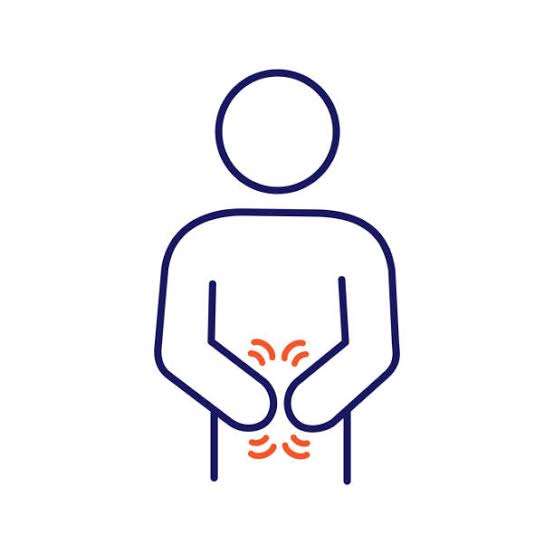
A gastrointestinal health evaluation focuses on assessing the digestive system's functionality. Understanding how your digestive tract works can help address issues like bloating, discomfort, or irregular bowel habits effectively.
- Symptoms/Causes :Common signs indicating the need for evaluation may include persistent abdominal pain , diarrhea , constipation , heartburn , or unexplained weight loss . Factors contributing could involve dietary choices , stress , or infections .
- Diagnosis :Evaluations could involve endoscopic procedures , imaging studies like ultrasounds , along with routine laboratory tests for effective diagnosis .
- Treatment/Management :Treatment strategies often focus on dietary adjustments , medications to alleviate specific symptoms , or even referrals for more specialized care if needed .
- What to Expect :An ongoing dialogue regarding response rates towards implemented changes along with follow-up visits would guide continuous improvement in gastrointestinal health .
Taking proactive steps towards understanding gastrointestinal well-being leads towards enhanced comfort in daily living circumstances .
ROUTINE BLOOD TESTS

The importance of routine blood tests cannot be overstated as they provide valuable insights into one’s overall health status. These tests help detect potential issues before they become serious problems.
- Symptoms/Causes: Blood tests are typically diagnostic tools rather than responsive measures; hence no symptoms prompt them directly unless underlying conditions are revealed through abnormal results.
- Diagnosis: Common blood tests include complete blood counts (CBC), metabolic panels, and lipid profiles which screen for various conditions ranging from anemia to diabetes risk markers.
- Treatment/Management: While routine blood tests do not require treatment themselves; abnormal findings will guide healthcare providers in developing management plans tailored for specific conditions uncovered through testing.
CHRONIC RESPIRATORY DISEASE ASSESSMENT
Chronic respiratory diseases encompass conditions such as asthma and COPD (Chronic Obstructive Pulmonary Disease), which affect breathing over time. Early assessment is vital for managing symptoms effectively.
- Symptoms/Causes: Symptoms may include chronic coughing, wheezing, difficulty breathing during physical activities, and fatigue. Factors contributing to these diseases include smoking and prolonged exposure to pollutants.
- Diagnosis: Diagnosis generally involves pulmonary function tests alongside imaging studies like chest X-rays to assess lung function accurately.
- Treatment/Management: Management strategies might include inhalers (bronchodilators), corticosteroids, lifestyle alterations like quitting smoking, and pulmonary rehabilitation when required.
- What to Expect: Individuals diagnosed with chronic respiratory diseases can often control symptoms successfully with appropriate treatment plans tailored by healthcare professionals.
Your continued engagement in monitoring lung health plays a critical role in maintaining quality of life in the long term.
DIABETES SCREENING

Diabetes screening is an essential preventive health measure aimed at identifying individuals at risk for type 2 diabetes. Early detection allows for timely interventions that can prevent complications.
- Symptoms/Causes: Many individuals may be asymptomatic; however, increased thirst, frequent urination, and fatigue are common signs. Risk factors include family history and obesity.
- Diagnosis: Blood tests measuring glucose levels are used to diagnose diabetes or prediabetes. Fasting plasma glucose or HbA1c tests are common methods.
- Treatment/Management: If diagnosed with diabetes or prediabetes, lifestyle changes including diet modifications and regular physical activity are recommended. Medications may also be prescribed if necessary.
- What to Expect: With proper management through lifestyle changes and medication adherence if needed, individuals can lead healthy lives while managing their blood sugar levels effectively.
A proactive approach toward diabetes screening can greatly enhance one's quality of life.
HYPERTENSION MANAGEMENT
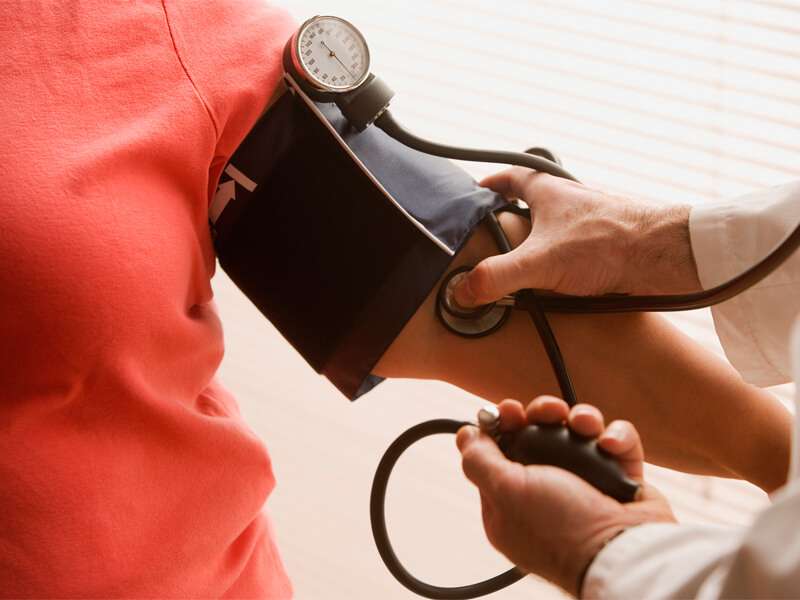
Hypertension, commonly known as high blood pressure, is a condition that affects millions of individuals globally. It's often termed a silent killer due to its lack of noticeable symptoms until significant damage occurs.
- Symptoms/Causes: Many people may not experience symptoms, but some may have headaches, shortness of breath, or nosebleeds. Key causes include obesity, sedentary lifestyle, genetics, and high salt intake.
- Diagnosis: Blood pressure is measured using a sphygmomanometer. Regular monitoring ensures accurate diagnosis.
- Treatment/Management: Treatment can involve lifestyle changes like exercise and diet modification along with medications such as diuretics or ACE inhibitors.
- What to Expect: Ongoing monitoring is crucial as hypertension management is usually lifelong, but it's possible to achieve normal levels with treatment.
Managing hypertension effectively improves overall health and significantly reduces the risk of heart disease and stroke.