
Dr. Nutan
About Me
Dr. Nutan
DM
Internal Medicine
10 Years Experience
Biography
My Clinic
OPD Hours
| Monday | Morning | 10:00 AM | - | 02:00 PM |
| Evening | 06:00 PM | - | 09:00 PM | |
| Tuesday | Morning | 10:00 AM | - | 02:00 PM |
| Evening | 06:00 PM | - | 09:00 PM | |
| Wednesday | Morning | 10:00 AM | - | 02:00 PM |
| Evening | 06:00 PM | - | 09:00 PM | |
| Thursday | Morning | 10:00 AM | - | 02:00 PM |
| Evening | 06:00 PM | - | 09:00 PM | |
| Friday | Morning | 10:00 AM | - | 02:00 PM |
| Evening | 06:00 PM | - | 09:00 PM | |
| Saturday | Morning | 10:00 AM | - | 02:00 PM |
| Evening | 06:00 PM | - | 09:00 PM | |
| Sunday | Morning | 10:00 AM | - | 02:00 PM |
| Evening | 06:00 PM | - | 09:00 PM |
Treatments
Specialised care and treatments offered
HEART FAILURE
Heart failure occurs when the heart cannot pump enough blood to meet the body's needs. This complex syndrome requires ongoing management from healthcare professionals for optimal outcomes.
HYPERLIPIDEMIA
This condition involves higher than normal levels of lipids (fats) in the bloodstream. Hyperlipidemia primarily increases the risk of cardiovascular diseases if not properly managed over time.
- Symptoms: Often asymptomatic until more severe conditions arise; potential signs include chest pain or fatigue during exertion.
- Causes: Poor diet high in saturated fats, lack of exercise, obesity, smoking habits contribute significantly to lipid increase.
- Diagnosis: Blood tests measuring cholesterol levels help determine lipid profiles based on total cholesterol, LDLs (low-density lipoproteins), and HDLs (high-density lipoproteins).
By adhering to treatment recommendations for hyperlipidemia patients can significantly reduce their cardiovascular risk factors.
CHRONIC OBSTRUCTIVE PULMONARY DISEASE (COPD)
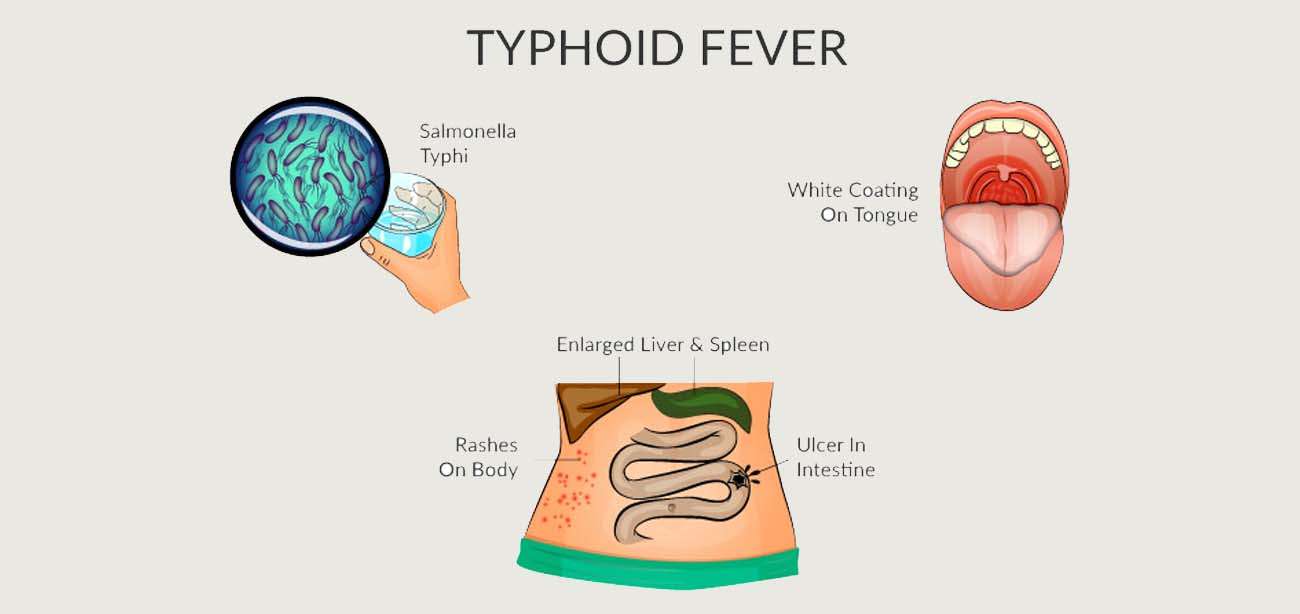
COPD is a progressive lung disease that makes breathing difficult. It encompasses two main conditions: emphysema and chronic bronchitis. Early detection plays a significant role in managing symptoms effectively.
- Symptoms: Individuals may experience breathlessness, chronic cough with mucus production, and frequent respiratory infections.
- Causes: Long-term exposure to irritants such as cigarette smoke or air pollution significantly contributes to COPD development;
Effective management of COPD can help patients maintain daily activities and improve their overall well-being.
DIABETES MELLITUS
Diabetes mellitus refers to a group of diseases that affect how the body uses blood sugar (glucose). Managing diabetes is critical to avoid complications related to the heart, kidneys, eyes, and nerves.
- Symptoms: Increased thirst, frequent urination, extreme fatigue, and blurred vision are common indicators.
- Causes: The risk factors vary by type; Type 1 diabetes has genetic components while Type 2 is influenced by lifestyle choices.
- Diagnosis: Blood tests measuring glucose levels help determine the presence of diabetes.
- Treatment options: Insulin therapy for Type 1; dietary management and oral medications for Type 2 diabetes are frequently employed.
- Monitoring: Regular blood sugar checks are essential to assess daily management strategies and adjust treatment as necessary.
With proper understanding and adherence to treatment plans, individuals with diabetes can maintain a healthy lifestyle and minimize risks associated with this condition.
HYPERTENSION
Hypertension, commonly known as high blood pressure, is a prevalent condition that affects many adults. It often develops over many years and can lead to serious health complications if left untreated.
- Symptoms: Many individuals may not experience noticeable symptoms; however, some may have headaches, shortness of breath, or nosebleeds.
- Causes: Factors include genetics, unhealthy diet, lack of physical activity, and excessive alcohol consumption.
- Diagnosis: Blood pressure readings are taken using a sphygmomanometer during regular check-ups.
- Treatment options: Lifestyle changes such as diet and exercise are crucial; medications like diuretics or ACE inhibitors may also be prescribed.
- Management: Regular monitoring and follow-up appointments with your healthcare provider are essential to control blood pressure effectively.
Understanding hypertension is vital for maintaining optimal health. With appropriate management, individuals can lead full and active lives.