
Dr. Nisha Singh
About Me
Dr. Nisha Singh
MBBS
General Physician
10 Years Experience
Biography
My Clinic
OPD Hours
| Monday | Morning | 10:00 AM | - | 02:00 PM |
| Evening | 06:00 PM | - | 09:00 PM | |
| Tuesday | Morning | 10:00 AM | - | 02:00 PM |
| Evening | 06:00 PM | - | 09:00 PM | |
| Wednesday | Morning | 10:00 AM | - | 02:00 PM |
| Evening | 06:00 PM | - | 09:00 PM | |
| Thursday | Morning | 10:00 AM | - | 02:00 PM |
| Evening | 06:00 PM | - | 09:00 PM | |
| Friday | Morning | 10:00 AM | - | 02:00 PM |
| Evening | 06:00 PM | - | 09:00 PM | |
| Saturday | Morning | 10:00 AM | - | 02:00 PM |
| Evening | 06:00 PM | - | 09:00 PM | |
| Sunday | Morning | 10:00 AM | - | 02:00 PM |
| Evening | 06:00 PM | - | 09:00 PM |
Treatments
Specialised care and treatments offered
WEIGHT MANAGEMENT PROGRAMS
A structured weight management program focuses on achieving sustainable weight loss through individualized plans encompassing nutrition education alongside physical activity enhancements.
- Obesity-related conditions such as diabetes type 2 or hypertension motivate individuals toward healthy choices while creating positive lifestyle changes enhancing overall well-being.
- Assessment generally begins with measuring BMI followed by discussing dietary habits coupled with goal setting supported through regular follow-ups assessing compliance levels throughout the journey ahead .
- Components may encompass personalized meal plans where patients receive guidance regarding portion control alongside added physical activities helping burn calories more efficiently .
- Supplemental resources often support behavior modification techniques fostering motivation along community-based support networks enabling shared experiences through friendships made while tackling challenges together .
Successful weight management leads not only towards improved appearance but reduces risk factors prevalent within obesity-associated ailments enhancing quality-of-life standards remarkably.
CARDIOVASCULAR RISK ASSESSMENT

An assessment of cardiovascular risk factors plays a vital role in preventing heart diseases. Early identification allows proactive measures to mitigate risks effectively.
- Risk factors include high blood pressure, high cholesterol levels, smoking habits, obesity, sedentary lifestyle choices among others that require evaluation during check-ups.
- A comprehensive assessment may involve laboratory tests such as lipid panels alongside evaluating personal medical history for existing conditions related to heart diseases.
- Treatment approaches focus on lifestyle interventions—like exercise programs—and pharmacological therapies tailored according to individual risk profiles if required.
- Routine monitoring helps gauge progress thereby ensuring preventive strategies remain aligned with evolving health statuses over time.
Understanding cardiovascular risks enables proactive steps toward maintaining heart health longevity across all demographics.
INFECTION CONTROL
The ability to manage various infections is crucial within general practice as they can rapidly affect overall health. Proper identification and treatment are imperative for recovery.
- Symptoms typically vary based on the type of infection but may include fever, chills, fatigue, or localized pain depending on the infection's location in the body.
- A thorough clinical examination along with diagnostic tests such as blood cultures or imaging studies assists in determining the underlying cause of infection.
- Treatment generally involves antibiotics for bacterial infections or antiviral medication for viral pathogens; supportive care may also be important for recovery.
- Prevention strategies—including vaccinations—are critical components in reducing disease transmission among populations.
Catching infections early leads not only to faster recovery but also minimizes complications associated with untreated conditions.
ASTHMA MANAGEMENT
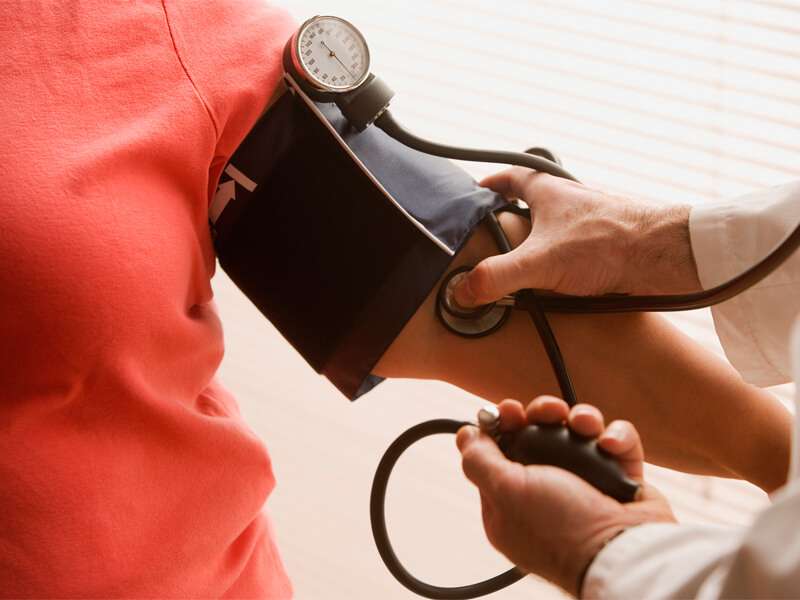
A chronic inflammatory disease of the airways known as asthma affects breathing and respiratory function. Effective management is key to reducing flare-ups and maintaining quality of life.
- Commonly observed symptoms include wheezing, coughing, chest tightness, and shortness of breath during physical activities or in response to triggers.
- Diagnosis often includes a medical history review along with lung function tests like spirometry.
- Treatment plans may incorporate inhaled corticosteroids, bronchodilators for quick relief during an attack, and lifestyle adjustments to minimize trigger exposure.
- A personalized action plan can help patients manage symptoms effectively while knowing when to seek emergency care.
An organized approach towards asthma management enables individuals to breathe easily and participate fully in daily activities.
DIABETES SCREENING

Diabetes is a chronic condition that affects how your body processes glucose. Early detection through screening is crucial for managing and preventing serious complications.
- Symptoms may include increased thirst, frequent urination, and fatigue; however, many individuals might remain asymptomatic initially.
- The diagnosis usually involves blood tests such as Fasting Blood Glucose or Hemoglobin A1c levels to assess glucose control over time.
- Treatment management can involve lifestyle modifications like dietary changes and physical activity, alongside medication including insulin therapy if needed.
- Regular monitoring of blood sugar levels is vital for effective management and to prevent complications such as neuropathy or cardiovascular issues.
Timely screening ensures better outcomes in managing diabetes effectively.
HYPERTENSION MANAGEMENT

Hypertension, or high blood pressure, is a common condition that can lead to serious health problems if not managed properly. This disorder requires careful monitoring and treatment.
- Common symptoms can include headaches, shortness of breath, and nosebleeds, but often there are no visible symptoms.
- Diagnosis typically involves measuring blood pressure multiple times over different occasions at a healthcare facility.
- Treatment options include lifestyle changes such as diet and exercise, along with prescribed medications like diuretics or ACE inhibitors.
- Regular follow-ups are essential to monitor the effectiveness of treatment and make necessary adjustments.
- If unmanaged, hypertension can lead to complications such as heart disease, stroke, or kidney damage.
With proper management, individuals can lead a healthy life while controlling their blood pressure effectively.