
Dr. Neeraj Goel
About Me
Dr. Neeraj Goel
MS
Orthopaedic Surgeons
10 Years Experience
Biography
My Clinic
OPD Hours
| Monday | Morning | 10:00 AM | - | 02:00 PM |
| Evening | 06:00 PM | - | 09:00 PM | |
| Tuesday | Morning | 10:00 AM | - | 02:00 PM |
| Evening | 06:00 PM | - | 09:00 PM | |
| Wednesday | Morning | 10:00 AM | - | 02:00 PM |
| Evening | 06:00 PM | - | 09:00 PM | |
| Thursday | Morning | 10:00 AM | - | 02:00 PM |
| Evening | 06:00 PM | - | 09:00 PM | |
| Friday | Morning | 10:00 AM | - | 02:00 PM |
| Evening | 06:00 PM | - | 09:00 PM | |
| Saturday | Morning | 10:00 AM | - | 02:00 PM |
| Evening | 06:00 PM | - | 09:00 PM | |
| Sunday | Morning | 10:00 AM | - | 02:00 PM |
| Evening | 06:00 PM | - | 09:00 PM |
Treatments
Specialised care and treatments offered
CARPAL TUNNEL RELEASE
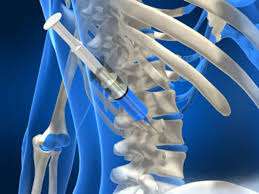
The carpal tunnel release procedure alleviates pressure on the median nerve in instances of carpal tunnel syndrome—a condition resulting from repetitive hand movements leading to tingling & numbness in fingers .
- Symptoms observed : Signs such as persistent wrist discomfort , reduced grip strength , & nighttime awakenings due influences daily routines demand physician assessment .
- Diagnostic evaluation methods : A combination of nerve conduction studies alongside clinical examinations helps confirm diagnosis effectively before any procedural choices arise .
- Procedure overview : During surgery , incisions made at wrist enable surgeons access ligaments compressing nerves providing necessary room relieve symptoms experienced by patients regularly .
Postoperatively , many find instant improvement symptomatically resulting enhanced hand function translating positively overall quality life-enhancing capabilities enjoyed during routine tasks completed hassle-free !
MENISCUS SURGERY
Meniscus surgery is performed when there are tears in the meniscus—a C-shaped cartilage disc that cushions the knee joint. Such tears can arise from sports-related injuries or degenerative changes over time.
- Main symptoms: Those with meniscus tears often report knee locking, swelling, or limited range of motion as key indicators necessitating surgical intervention.
- Diagnosis approaches : Orthopedic assessments using physical tests along with imaging studies confirm diagnosis prior to treatment considerations .
- Surgical types : Procedures may involve either meniscectomy (removal of damaged cartilage) or repair techniques depending on tear location & severity.
- Postoperative care : Recovery strategies typically include rehabilitation exercises aimed at restoring strength followed by gradual return toward regular activities .
Through timely intervention , many individuals achieve significant relief & regain full knee functionality post-surgery .
TENDON REPAIR SURGERY

Tendon repair surgery addresses injuries where tendons—fibrous tissues connecting muscles to bones—are damaged. Surgical techniques vary based on whether it's a partial tear or complete rupture being treated.
- Pain symptoms: Individuals might notice significant pain, weakness in movement, or swelling around affected areas which necessitate surgical evaluation.
- Diagnostic tools: Comprehensive evaluations including MRI scans help determine the severity of tendon injuries before surgery is considered necessary.
- Surgical options: Procedures generally involve stitching together torn ends of tendons using specialized sutures for optimal healing outcomes.
The goal of tendon repair surgery is not only restoration of functionality but also allowing patients to resume normal activities as quickly as feasible post-operation.
JOINT INJECTIONS

Joint injections are a common intervention for managing arthritis-related discomfort or inflammation in various joints. The aim is to alleviate pain and enhance mobility without extensive surgical procedures.
- Indications: Typical candidates include those suffering from arthritis or bursitis who have not responded sufficiently to oral medications.
- Diagnosis methods: Physicians usually rely on medical history reviews along with physical examinations prior to deciding on injection therapy.
- Treatment specifics: Corticosteroids or hyaluronic acid can be injected into the joint space to reduce inflammation or lubricate joints respectively.
- Aftercare: Post-injection care often involves activity modification and follow-up appointments to monitor progress and manage any side effects.
This approach can drastically improve quality of life by effectively managing pain levels while delaying more invasive treatments when possible.
PLATELET-RICH PLASMA (PRP) THERAPY

Platelet-Rich Plasma (PRP) Therapy is an innovative treatment that utilizes the body's own healing properties to promote recovery from musculoskeletal injuries. This therapy is often used for tendon injuries and joint pain.
- Common uses: PRP is frequently employed in cases of tendonitis, ligament sprains, and osteoarthritis.
- Diagnostic process: A thorough assessment including ultrasound imaging may precede therapy to identify the injured area accurately.
- Procedure: The treatment involves drawing blood from the patient and processing it to concentrate platelets before injecting it into the injury site.
- Expected outcomes: Patients often experience reduced pain and improved function over several weeks following treatment.
This non-surgical option offers an effective alternative for patients seeking relief from chronic pain conditions.
ARTHROSCOPY

Arthroscopy is a minimally invasive surgical technique that allows orthopedic surgeons to visualize, diagnose, and treat joint problems using a small camera and instruments. This procedure is particularly beneficial for the knee, shoulder, and ankle joints.
- Symptoms: Patients may experience joint pain, swelling, stiffness, or instability.
- Diagnosis: An orthopedic surgeon may utilize imaging tests like MRI or X-rays before recommending arthroscopy.
- Treatment options: Depending on the findings during the procedure, treatments can include repairing tears, removing loose bodies, or cleaning out damaged tissue.
- Recovery: Post-surgery recovery typically includes rest and physical therapy to restore function and mobility.
Arthroscopy can lead to quicker recoveries compared to traditional open surgery while providing effective results in joint management.