
Dr. Nawab
About Me
Dr. Nawab
MBBS
General Physician
10 Years Experience
Biography
My Clinic
OPD Hours
| Monday | Morning | 10:00 AM | - | 02:00 PM |
| Evening | 06:00 PM | - | 09:00 PM | |
| Tuesday | Morning | 10:00 AM | - | 02:00 PM |
| Evening | 06:00 PM | - | 09:00 PM | |
| Wednesday | Morning | 10:00 AM | - | 02:00 PM |
| Evening | 06:00 PM | - | 09:00 PM | |
| Thursday | Morning | 10:00 AM | - | 02:00 PM |
| Evening | 06:00 PM | - | 09:00 PM | |
| Friday | Morning | 10:00 AM | - | 02:00 PM |
| Evening | 06:00 PM | - | 09:00 PM | |
| Saturday | Morning | 10:00 AM | - | 02:00 PM |
| Evening | 06:00 PM | - | 09:00 PM | |
| Sunday | Morning | 10:00 AM | - | 02:00 PM |
| Evening | 06:00 PM | - | 09:00 PM |
Treatments
Specialised care and treatments offered
OBESITY MANAGEMENT
The increasing prevalence of obesity poses significant health challenges worldwide. It results from an energy imbalance where calorie intake exceeds energy expenditure over time leading predominantly towards excess body fat accumulation
- Symptoms: Obesity is typically indicated by a body mass index (BMI) above 30 which correlates highlywith comorbidities likediabetes type2 hypertensionand sleep apnea
- Diagnosis: Healthcare practitioners routinely use BMI calculationsas well as waist circumference measurementsduring assessmentsin conjunctionwith patient history reviewto determineappropriate interventionstrategies
- Treatment: Lifestyle modifications involving balanced nutritionalongside increased physical activity remain foundationalfor weight losswhile somemay also find benefitin pharmacotherapyor surgicaloptionsif warrantedby medical evaluation
- Whattoexpect: With sustainedcommitmentto these monitored lifestylechangesindividualsmay witness progressiveweight reductionand improvementin overallhealthoutcomesreducingsuchassociatedrisks
If struggles persistseeking specializedcarewill equipyouwithtoolsforlong-termbetterweightmanagementstrategiesprovidingholisticapproachesamongstothers .
SEASONAL ALLERGIES

Seasonal allergies occur when the immune system overreacts to allergens present during specific seasons. This condition affects many individuals annually and can significantly impact quality of life during peak seasons like spring.
- Symptoms: Typical symptoms include sneezing, itching eyes/nose/throat, runny nose, and fatigue. These reactions arise from pollen exposure particularly from trees and grasses.
- Diagnosis:The diagnosis often relies on reviewing medical history along with allergy testing through skin prick tests or specific IgE blood tests as needed.
Coping strategies typically involve avoiding triggers alongside antihistamines or nasal corticosteroids during allergy season for better symptom control.
GASTROESOPHAGEAL REFLUX DISEASE (GERD)
Gastroesophageal reflux disease (GERD) occurs when stomach acid frequently flows back into the esophagus causing irritation. Understanding its triggers is critical for effective management and relief from symptoms such as heartburn or regurgitation.
- Symptoms: The primary symptom is persistent heartburn; other symptoms may include regurgitation of food or sour liquid, difficulty swallowing, and chronic cough.
- Diagnosis: A healthcare provider may recommend endoscopy or pH monitoring to confirm diagnosis if lifestyle changes do not alleviate symptoms.
- Treatment: Options encompass dietary changes, medications like antacids or proton pump inhibitors (PPIs), or even surgical interventions in severe cases.
- What to expect: Patients usually see improvement with lifestyle modifications along with adherence to prescribed treatments; ongoing evaluation helps tailor individual care.
If you're struggling with persistent symptoms of GERD, professional assessment will provide avenues for effective relief.
RESPIRATORY INFECTIONS
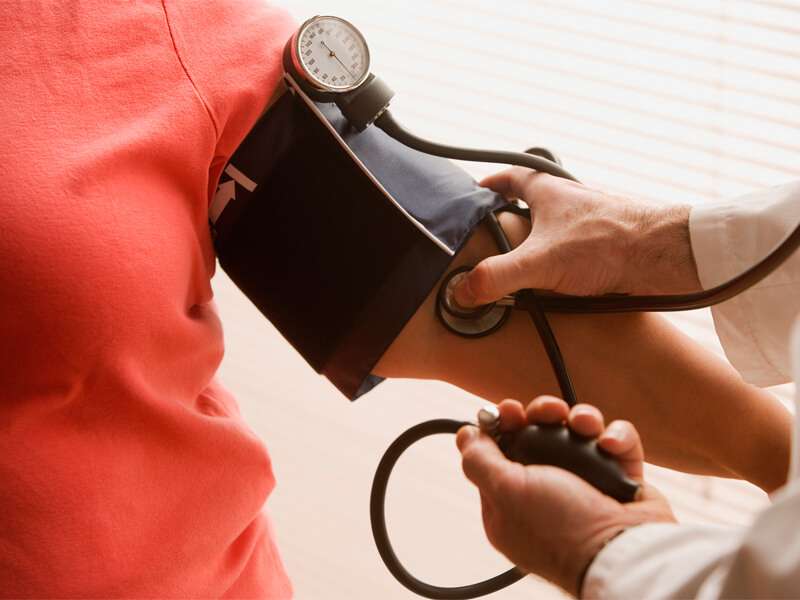
Respiratory infections encompass a variety of conditions affecting the airways and lungs. They can range from mild colds to more severe illnesses like pneumonia. Understanding the causes and treatments is essential for recovery.
- Symptoms: Common symptoms include cough, fever, sore throat, congestion, and difficulty breathing. Severity varies based on age and underlying health status.
- Diagnosis: Healthcare providers often diagnose respiratory infections based on clinical history and may order chest X-rays or laboratory tests if necessary.
- Treatment: Treatment options depend on the nature of the infection—viral infections typically require rest and symptomatic relief while bacterial infections might necessitate antibiotics.
- What to expect: Most individuals recover fully with appropriate care; however, chronic conditions could require ongoing management strategies to prevent future occurrences.
If you exhibit signs of a respiratory infection, prompt medical consultation ensures optimal recovery paths are followed.
DIABETES MELLITUS
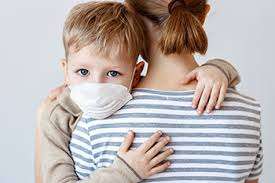
Diabetes mellitus refers to a group of metabolic disorders characterized by high blood sugar levels over a prolonged period. It's essential to understand the types—Type 1 and Type 2—each requiring different approaches to management.
- Symptoms: Common indicators include frequent urination, excessive thirst, fatigue, and blurred vision. Symptoms can vary significantly between types.
- Diagnosis: Diagnosis typically involves fasting blood glucose tests or HbA1c tests that assess average blood sugar levels over several months.
- Treatment: Management may involve lifestyle changes such as diet modification, increased physical activity, along with insulin therapy or oral medications depending on the type of diabetes.
- What to expect: With proper management, individuals can control their blood sugar levels effectively and maintain a good quality of life. Regular check-ups are vital for monitoring progress.
A comprehensive approach including education about the disease process is key in managing diabetes effectively.
HYPERTENSION
Hypertension, commonly known as high blood pressure, is a chronic condition that can lead to serious health complications if left untreated. It often shows no symptoms but can cause damage to arteries and vital organs over time.
- Symptoms: Many individuals experience no obvious symptoms, which is why it's often called the 'silent killer.' Some may report headaches, shortness of breath, or nosebleeds in severe cases.
- Diagnosis: Blood pressure is measured using a sphygmomanometer. A reading consistently above 140/90 mmHg may indicate hypertension.
- Treatment: Management options include lifestyle changes such as diet and exercise, as well as medications like ACE inhibitors or beta-blockers.
- What to expect: Regular monitoring of blood pressure levels and adherence to prescribed treatments can effectively manage this condition and reduce health risks.
If you suspect you have hypertension or have risk factors associated with it, seeking evaluation and management from a healthcare provider is crucial for long-term health.