
Dr. Naveen Goyal
About Me
Dr. Naveen Goyal
MD
Pulmonologist
10 Years Experience
Biography
My Clinic
OPD Hours
| Monday | Morning | 10:00 AM | - | 02:00 PM |
| Evening | 06:00 PM | - | 09:00 PM | |
| Tuesday | Morning | 10:00 AM | - | 02:00 PM |
| Evening | 06:00 PM | - | 09:00 PM | |
| Wednesday | Morning | 10:00 AM | - | 02:00 PM |
| Evening | 06:00 PM | - | 09:00 PM | |
| Thursday | Morning | 10:00 AM | - | 02:00 PM |
| Evening | 06:00 PM | - | 09:00 PM | |
| Friday | Morning | 10:00 AM | - | 02:00 PM |
| Evening | 06:00 PM | - | 09:00 PM | |
| Saturday | Morning | 10:00 AM | - | 02:00 PM |
| Evening | 06:00 PM | - | 09:00 PM | |
| Sunday | Morning | 10:00 AM | - | 02:00 PM |
| Evening | 06:00 PM | - | 09:00 PM |
Treatments
Specialised care and treatments offered
INHALATION THERAPY
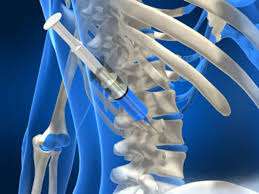
A common yet effective regimen in managing chronic respiratory illnesses entails inhalation therapy. This approach utilizes prescribed medications delivered directly into the lungs via inhalers or nebulizers for maximum efficacy against symptoms such as wheezing or difficulty breathing.
- Symptoms/causes: Frequent triggers may include allergies or asthma exacerbations leading patients to seek relief from ongoing respiratory distress.
- Diagnosis: Following thorough evaluations including spirometry tests help determine appropriate medication delivery methods based on specific needs.
- Treatment alternatives: Options range from bronchodilators facilitating easier airflow through dilating bronchial passages alongside anti-inflammatory meds ensuring controlled responses towards allergens present in surroundings.
- Your experience: Inhalers tend to be portable offering convenient use throughout daily life; nebulizer sessions often last longer requiring time set aside specifically for dosing purposes.
Overall effectiveness encompasses consistent usage along with regular follow-up consultations addressing any adjustments needed accordingly ensuring optimized outcomes over time.{
SLEEP APNEA TESTING

This testing evaluates sleep disorders like obstructive sleep apnea (OSA), which can severely impact overall health. Identifying sleep apnea is critical as it contributes to various health complications if left untreated.
- Symptoms/causes: Loud snoring episodes followed by pauses in breathing during sleep are typical signs warranting investigation into potential OSA.
- Diagnosis: Polysomnography is frequently utilized where multiple body functions including brain activity are monitored overnight providing comprehensive data.
- Treatment options: Management often includes lifestyle changes along with devices such as CPAP machines that assist in maintaining open airways during sleep.
- What to expect: The testing environment mimics natural sleeping conditions; thus aiding in accurate assessment without significant interruption to sleep patterns.
Effective diagnosis leads towards custom-tailored therapies enhancing both sleep quality and overall well-being.{
PULMONARY REHABILITATION

Pulmonary rehabilitation is a comprehensive program designed to support individuals with chronic lung diseases. It's an essential strategy aimed at improving overall quality of life through tailored exercise regimens and education about lung health management.
- Symptoms/causes: Conditions like COPD or pulmonary fibrosis often lead to significant breathlessness during regular activities prompting referral to rehab programs.
- Diagnosis process: Prior assessments determine individual capabilities allowing specialized plans that focus on safe exercise levels suited for each patient’s condition.
- Treatment options available: Programs typically combine physical training with nutritional advice and psychosocial support enhancing both physical endurance and emotional well-being.
- Your expectations during rehab: Sessions usually occur multiple times weekly under professional supervision ensuring safety while progressing gradually through exercises tailored to your needs.
This rehabilitative approach significantly boosts lung function while equipping patients with self-management skills for their condition's longevity.
CHEST CT SCAN

A chest CT scan is a vital imaging technique that provides detailed pictures of the lungs and thoracic structures. It’s often employed to investigate unexplained respiratory symptoms or monitor known conditions.
- Symptoms/causes: Patients experiencing chronic cough, unusual imaging findings, or risk factors like smoking may require this scan.
- Diagnosis: The scan offers clearer images than standard X-rays, helping detect tumors, infections, or structural abnormalities in detail.
- Treatment options: Depending on findings, doctors could suggest further testing or immediate therapeutic interventions based on detected anomalies.
- Your experience: A CT scan is usually performed quickly with minimal discomfort; however, there might be guidelines regarding pre-scan preparation relating to food intake or medications.
This advanced imaging technique plays a crucial role in developing an accurate diagnosis and subsequent treatment plans for lung conditions.
LUNG FUNCTION TESTS

Lung function tests are crucial for assessing how well your lungs work and identifying any underlying respiratory issues. These tests measure various aspects of lung performance using specialized equipment.
- Symptoms/causes: Symptoms prompting these tests include persistent coughing, wheezing, or unexplained fatigue.
- Diagnosis: Different types of tests such as spirometry assess airflow and volume while others might evaluate gas exchange efficiency.
- Treatment management: Results help tailor treatment plans which may include inhalers or pulmonary rehabilitation programs.
- Your expectations: Tests are typically quick, safe, and provide valuable information for effective management of lung health.
The results are essential for guiding future care decisions regarding respiratory wellness.
BRONCHOSCOPY

Bronchoscopy is a vital procedure used to examine the airways and diagnose lung conditions. This minimally invasive technique involves inserting a thin, flexible tube equipped with a camera into the bronchial tubes.
- Symptoms/causes: Patients may experience cough, shortness of breath, or abnormal chest X-rays indicating potential lung issues.
- Diagnosis: During the procedure, doctors can collect tissue samples and identify infections, tumors, or other abnormalities.
- Treatment options: Depending on the findings, treatments may include medication for infections or further procedures for tumor removal.
- What to expect: Most patients feel minimal discomfort and can return home the same day after monitoring.
This approach not only helps in diagnosis but also in delivering immediate treatment solutions when necessary.