
Dr. Mithilesh Deo
About Me
Dr. Mithilesh Deo
MD
Cardiologist
10 Years Experience
Biography
My Clinic
OPD Hours
| Monday | Morning | 10:00 AM | - | 02:00 PM |
| Evening | 06:00 PM | - | 09:00 PM | |
| Tuesday | Morning | 10:00 AM | - | 02:00 PM |
| Evening | 06:00 PM | - | 09:00 PM | |
| Wednesday | Morning | 10:00 AM | - | 02:00 PM |
| Evening | 06:00 PM | - | 09:00 PM | |
| Thursday | Morning | 10:00 AM | - | 02:00 PM |
| Evening | 06:00 PM | - | 09:00 PM | |
| Friday | Morning | 10:00 AM | - | 02:00 PM |
| Evening | 06:00 PM | - | 09:00 PM | |
| Saturday | Morning | 10:00 AM | - | 02:00 PM |
| Evening | 06:00 PM | - | 09:00 PM | |
| Sunday | Morning | 10:00 AM | - | 02:00 PM |
| Evening | 06:00 PM | - | 09:00 PM |
Treatments
Specialised care and treatments offered
CARDIAC CATHETERIZATION

This invasive diagnostic procedure allows physicians direct access to your coronary arteries via catheter insertion into blood vessels. Cardiac catheterization plays a vital role in understanding complex cardiac issues quickly and accurately compared with less invasive tests alone as it explores both anatomyandfunctionalityoftheheartinreal-time.
- Symptoms : High-risk patients often present symptoms like angina; knowledge of risk factors makes their evaluation crucial when considering catheterization timelines available prior treatment protocols have been established already.
- Diagnosis : During this process contrast dye administered through catheters illuminates any abnormal areas within the arterial pathways providing insight into blockage locations precisely without guessworkbeingappliedalongtheroadtowardsdiagnosisrefiningtreatmentoptionsmoreeffectivelytoo!
ELECTROCARDIOGRAM (ECG)
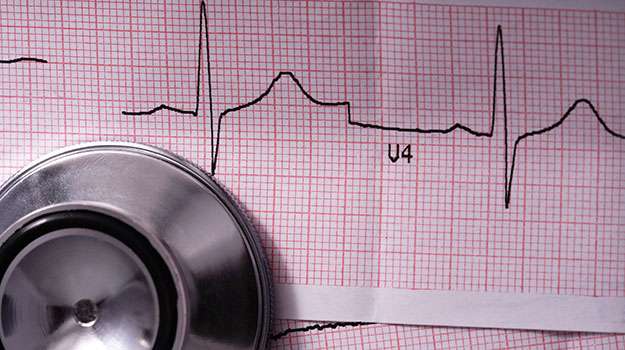
The electrocardiogram (ECG) is a simple yet powerful tool that measures electrical activity in your heart. It's critical for diagnosing various cardiac conditions such as arrhythmias and myocardial infarctions with precision and speed depending upon presenting symptoms.
- Symptoms : Unexplained chest pain and sudden dizziness might necessitate an ECG evaluation sooner rather than later.
- Diagnosis : This quick procedure involves attaching electrodes to specific areas on your body; these record impulses which are displayed graphically.
- Treatment options : A normal ECG can rule out serious issues; conversely,basedonthefindings,yourdoctorwilldiscussmanagementstrategiesandmightprescribemedicationsordetectconditionsrequiringurgentattention.
- Management : Follow-up appointments allow ongoing monitoring if abnormalities are noted during testing—the key focus being proactive cardioprotective measures whenever possible.
Withinminutes,youwillknowthestatusofyourheart’sfunctionalityensuringthebestcareisdeliveredpromptly.< / p >
HOLTER MONITOR
The Holter monitor is a portable device used to continuously record the electrical activity of your heart over 24 hours or longer. It's particularly useful for identifying intermittent arrhythmias that may not be captured during a standard ECG test.
- Symptoms: Patients experiencing irregular heartbeat sensations or episodes of lightheadedness often benefit from this continuous monitoring approach.
- Diagnosis: The device is worn on a belt or shoulder strap with electrodes placed on the chest; it captures every heartbeat throughout daily activities including sleep.
- Treatment options: Results may lead to adjustments in current medication regimens or further testing if abnormal rhythms are detected during monitoring periods.
STRESS TEST
A stress test assesses how well your heart functions under physical strain. This evaluation is integral for diagnosing various heart-related issues that may not show up at rest.
- Symptoms: Individuals may present with unexplained chest pain or unusual fatigue during activities which prompt this test.
- Diagnosis: Patients typically walk on a treadmill or use stationary bikes while their heart rate, rhythm, and blood pressure are monitored closely during exertion.
- Treatment options: Outcomes will determine subsequent management strategies ranging from lifestyle modifications to specialized interventions if necessary.
- Management: A thorough assessment allows for tailored advice on exercise regimens post-evaluation based on individual cardiovascular health.
This valuable diagnostic tool helps determine safe levels of physical activity in individuals suspected of having cardiovascular disease.
ECHOCARDIOGRAM
An echocardiogram is an ultrasound test that provides detailed images of the heart's structure and function. It is invaluable in assessing various cardiac conditions without the need for invasive procedures.
- Symptoms: Signs of heart problems may include palpitations, dizziness, or swelling in the legs and ankles.
- Diagnosis: This painless test uses sound waves to produce real-time images, enabling doctors to evaluate heart chambers and valves effectively.
- Treatment options: Treatment decisions are based on echocardiography results and may involve medications or surgical options as needed.
- Management: Regular follow-ups help monitor any existing conditions detected by this imaging technique.
- What to expect: The procedure usually takes about 30-60 minutes, requiring no special preparation from patients.
Echocardiograms are essential for comprehensive cardiovascular assessments and require no downtime afterward.
CORONARY ANGIOGRAPHY
Coronary angiography is a crucial diagnostic procedure used to visualize the blood vessels of the heart. This technique helps healthcare professionals identify blockages or narrowing in the coronary arteries, which can lead to serious cardiovascular issues.
- Symptoms: Chest pain, shortness of breath, and fatigue may indicate underlying coronary artery disease.
- Diagnosis: The procedure is performed using a contrast dye and X-ray technology, allowing doctors to see the arteries in real-time.
- Treatment options: Depending on findings, treatment may include lifestyle changes, medications, or surgical interventions like angioplasty.
- Management: Post-procedure care includes monitoring for complications and managing heart health through diet and exercise.
- What to expect: Patients will receive sedation during the procedure and might experience minimal discomfort; recovery time varies.
Understanding this procedure can alleviate patient anxiety and ensure informed decisions regarding heart health.