
Dr. Maheshwari Hospital
About Me
Dr. Maheshwari Hospital
MS
General Surgeons
10 Years Experience
Biography
My Clinic
OPD Hours
| Monday | Morning | 10:00 AM | - | 02:00 PM |
| Evening | 06:00 PM | - | 09:00 PM | |
| Tuesday | Morning | 10:00 AM | - | 02:00 PM |
| Evening | 06:00 PM | - | 09:00 PM | |
| Wednesday | Morning | 10:00 AM | - | 02:00 PM |
| Evening | 06:00 PM | - | 09:00 PM | |
| Thursday | Morning | 10:00 AM | - | 02:00 PM |
| Evening | 06:00 PM | - | 09:00 PM | |
| Friday | Morning | 10:00 AM | - | 02:00 PM |
| Evening | 06:00 PM | - | 09:00 PM | |
| Saturday | Morning | 10:00 AM | - | 02:00 PM |
| Evening | 06:00 PM | - | 09:00 PM | |
| Sunday | Morning | 10:00 AM | - | 02:00 PM |
| Evening | 06:00 PM | - | 09:00 PM |
Treatments
Specialised care and treatments offered
LAPAROSCOPIC SURGERY

Laparoscopic surgery represents a minimally invasive surgical technique that utilizes small incisions and camera-assisted technology for various procedures. This innovative approach offers reduced recovery times compared with traditional surgeries while achieving similar outcomes in many cases!
- This method primarily leads less postoperative pain thanks smaller operative areas involved within abdomen .
- Indications vary greatly encompassing treatments like cholecystectomies , appendectomies among others commonly performed .
- < Direct visualization aids greatly enhancing decision making while performing complex interventions accurately observing anatomical structures dynamically throughout procedure .
Patients reported faster return normal routines indicating maximal subjective improvement overall functions post-treatment within days week following !
COLONOSCOPY

A colonoscopy is a critical diagnostic procedure used to examine the inner lining of your large intestine (colon) for abnormalities such as polyps or signs of colorectal cancer. Regular screenings are recommended as they significantly contribute to early detection and prevention strategies against colorectal diseases.
- This procedure helps identify various suspicious conditions, including inflamed tissues and growths that might develop into cancer over time if left unchecked.
- Typical symptoms indicating need for this exam includes changes in bowel habits , rectal bleeding , unexplained weight loss with no visible reasons .
- Preparation includes dietary restrictions before scheduled appointments along use laxatives ensuring complete bowel cleansing prior .
Colonoscopy has invaluable benefits including direct biopsy potential during exams , allowing immediate management options based current findings observed !
BOWEL OBSTRUCTION DIAGNOSIS
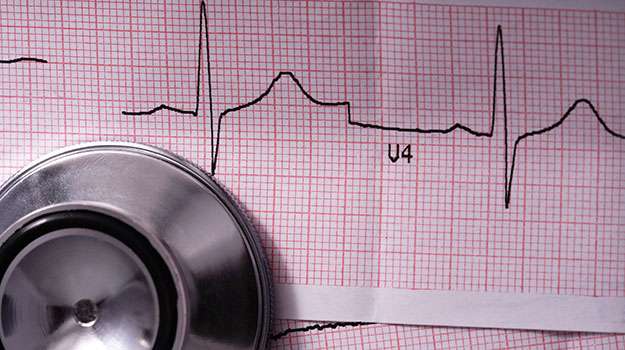
Bowel obstruction occurs when there’s a blockage preventing food or liquid from passing normally through the intestines. Early diagnosis is vital as this condition can lead to serious health risks if untreated.
- Mainly symptoms involve abdominal pain, bloating, constipation or diarrhea depending on the nature and location of obstruction.
- A variety of factors such as prior surgeries and certain conditions may be underlying causes.
GALLBLADDER REMOVAL (CHOLECYSTECTOMY)
The gallbladder stores bile produced by the liver to help digest fats. However, gallstones can cause inflammation and blockage, leading to a condition called cholecystitis that may necessitate removal of this organ.
- The predominant symptoms include sudden pain in the upper right abdomen, nausea, vomiting, and sometimes jaundice if complications arise.
- A variety of factors such as diet and obesity contribute to gallstone formation.
- A diagnosis relies on medical history review, physical exams, ultrasounds, or CT scans to visualize stones.
- The procedure known as cholecystectomy, often performed laparoscopically today, is effective in alleviating recurrent gallstone issues.
- Coping post-surgery generally involves dietary adjustments while healing takes place over several weeks for optimal recovery outcomes.
If you suffer from gallbladder-related discomforts regularly, consulting with a specialist may provide significant relief through surgical options available today.
HERNIA REPAIR
A hernia occurs when an organ pushes through an opening in the muscle or tissue that holds it in place. While they are common and may not always require treatment, surgical intervention is often necessary for symptomatic cases.
- Themost common symptoms include a noticeable bulge, discomfort or pain at the site of the hernia, especially during lifting or straining.
- Causes can range from congenital defects to factors like heavy lifting and obesity.
- The diagnosis starts with a physical examination, supported by imaging tests such as ultrasounds or MRIs if needed.
- Surgical options typically involve either open surgery or minimally invasive techniques using mesh to reinforce the weakened area.
- The recovery process varies but generally allows for resuming normal activities within weeks under careful guidance.
Surgical repair has high success rates and can relieve pain while preventing potential complications associated with untreated hernias.
APPENDICITIS
Appendicitis is an inflammation of the appendix, a small pouch attached to the large intestine. This condition often requires prompt medical attention as it can lead to severe complications if not treated swiftly.
- Symptoms typically include abdominal pain starting near the belly button, which then shifts to the lower right abdomen.
- The common causes are blockages in the appendix due to stool or foreign bodies, leading to infection.
- Diagnosis involves physical examinations, blood tests, and imaging techniques like ultrasound or CT scans.
- Treatment usually consists of an appendectomy, which can be performed laparoscopically or through an open surgery method.
- Avoiding complications entails following postoperative care instructions closely and recognizing warning signs of infection.
If you experience symptoms suggestive of appendicitis, seeking immediate medical care is crucial for a favorable outcome.