
Dr. Lal Pathology
About Me
Dr. Lal Pathology
MBBS
General Physician
10 Years Experience
Biography
My Clinic
OPD Hours
| Monday | Morning | 10:00 AM | - | 02:00 PM |
| Evening | 06:00 PM | - | 09:00 PM | |
| Tuesday | Morning | 10:00 AM | - | 02:00 PM |
| Evening | 06:00 PM | - | 09:00 PM | |
| Wednesday | Morning | 10:00 AM | - | 02:00 PM |
| Evening | 06:00 PM | - | 09:00 PM | |
| Thursday | Morning | 10:00 AM | - | 02:00 PM |
| Evening | 06:00 PM | - | 09:00 PM | |
| Friday | Morning | 10:00 AM | - | 02:00 PM |
| Evening | 06:00 PM | - | 09:00 PM | |
| Saturday | Morning | 10:00 AM | - | 02:00 PM |
| Evening | 06:00 PM | - | 09:00 PM | |
| Sunday | Morning | 10:00 AM | - | 02:00 PM |
| Evening | 06:00 PM | - | 09:00 PM |
Treatments
Specialised care and treatments offered
ARTHRITIS
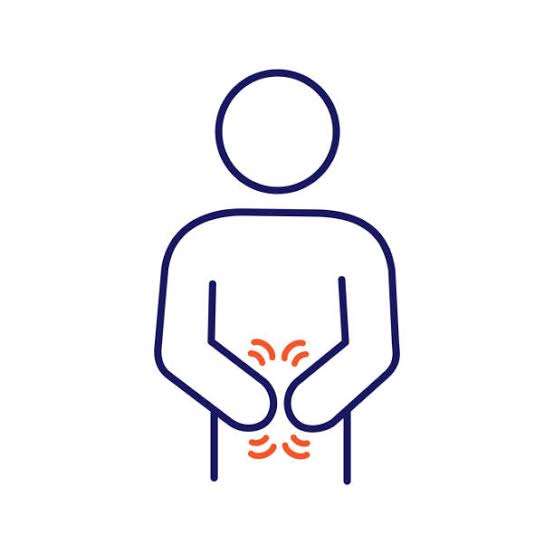
An umbrella term encompassing various conditions causing joint pain & inflammation affects millions worldwide. Arthritis commonly impacts mobility while also influencing overall quality of life; awareness about care options is paramount.
- Symptoms: Joint swelling & stiffness particularly after periods of inactivity are characteristic indicators; fatigue may accompany these symptoms too.
- Causes: Diagnosed varieties range from osteoarthritis due natural wear-and-tear damage at joints whereas rheumatoid arthritis stems from autoimmune responses affecting multiple locations throughout your body.
- Diagnosis involves: Physical exams along imaging techniques evaluating joints present significant insight regarding potential impairment levels optimizing translation into effective planning going forward considerations available therapeutic avenues including both pharmacological solutions targeted physiotherapy sessions.
Person-centered strategies aid those diagnosed find compassion amidst struggles regardless severity limitations imposed allowing knowledge activate resilience geared towards instance recovery whenever possible!
GASTROESOPHAGEAL REFLUX DISEASE (GERD)

This chronic digestive disorder occurs when stomach acid frequently flows back into the esophagus. Understanding GERD is essential for effective management since it can significantly affect daily activities if not addressed properly.
- Symptoms: Heartburn & regurgitation are classic signs; some patients may experience difficulty swallowing or a chronic cough.
- Diagnosis: A healthcare provider typically conducts an endoscopy or 24-hour pH monitoring test.
- Treatment: Lifestyle alterations like dietary changes & weight loss serve as primary interventions; medications like proton pump inhibitors are often recommended.
- What To Expect: With diligent adherence to treatment regimens & avoiding known triggers helps minimize flare-ups & provides symptom relief.
Through a comprehensive approach tailored individually allows many people manage their GERD effectively!
HYPERLIPIDEMIA

This condition refers to elevated levels of lipids in the blood, which can increase the risk of heart disease. Recognizing hyperlipidemia early allows individuals to take proactive steps toward cardiovascular health through lifestyle modifications and possibly medications.
- Symptoms: Generally asymptomatic; however, xanthomas (fatty deposits) may occur on skin surfaces in some cases
- Diagnosis methods include: Lipid panels analyze cholesterol levels needed to determine risk factors associated with heart disease.
ASTHMA
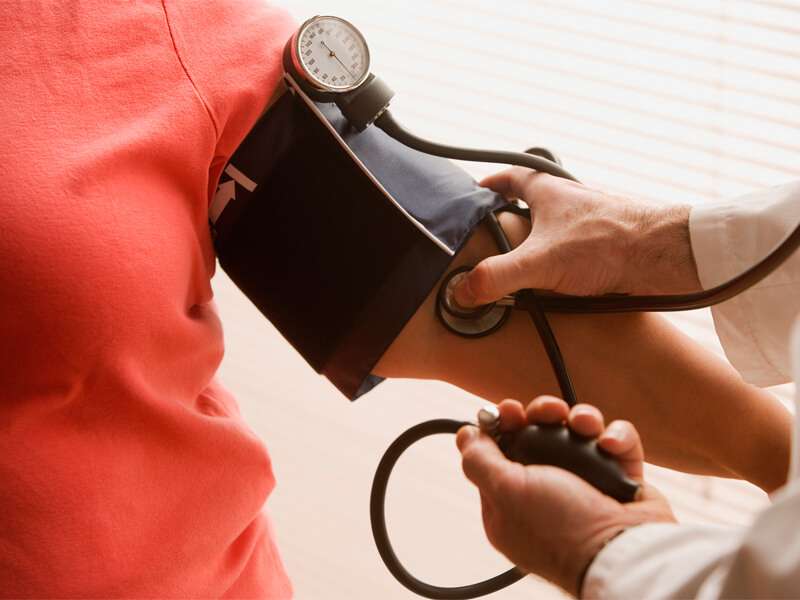
A common respiratory condition characterized by inflammation of the airways makes breathing difficult. Asthma symptoms can vary in intensity and frequency; thus, proper management is crucial for maintaining control over this condition.
- Symptoms: Coughing, wheezing, chest tightness, and shortness of breath are typical indications of asthma flare-ups.
- Causative factors: Allergens, environmental factors like smoke or pollution, and respiratory infections may trigger symptoms.
- Diagnosis involves: A detailed medical history review along with lung function tests to assess airway obstruction.
- Treatment approaches: Use of inhalers (both relievers and controllers) alongside avoidance strategies for triggers plays a key role in management.
A structured asthma action plan helps many patients reduce symptoms effectively while leading an active lifestyle.
DIABETES MELLITUS

This chronic condition occurs when the body cannot properly process food for use as energy. Diabetes can significantly impact daily life but can be successfully managed with appropriate care. Awareness and knowledge about diabetes play a vital role in its management.
- Symptoms: Increased thirst, frequent urination, extreme fatigue, and blurred vision are common signs.
- Diagnosis: Blood tests such as fasting blood sugar or HbA1c help in diagnoses.
- Treatment options: Treatment may include insulin therapy or oral medications to regulate blood sugar levels.
- Lifestyle changes: A balanced diet coupled with regular physical activity contributes significantly to managing diabetes effectively.
Effective management can prevent complications and improve overall quality of life for individuals with diabetes.
HYPERTENSION

Hypertension, commonly referred to as high blood pressure, is a condition that can lead to serious health issues if left unmanaged. It occurs when the force of the blood against the artery walls is consistently too high. Regular monitoring and lifestyle adjustments are crucial in managing this condition.
- Symptoms: Often asymptomatic, it can cause headaches, shortness of breath, and nosebleeds in severe cases.
- Diagnosis: Blood pressure is measured using a sphygmomanometer, generally during routine check-ups.
- Treatment: Management often includes lifestyle modifications such as diet and exercise. Medications may also be prescribed.
- Management: Regular follow-up visits help monitor blood pressure and adjust treatment plans accordingly.
With proper care and consistent management, individuals with hypertension can lead healthy lives.