
Dr. Lal Path Lab
About Me
Dr. Lal Path Lab
MBBS
General Physician
10 Years Experience
Biography
My Clinic
OPD Hours
| Monday | Morning | 10:00 AM | - | 02:00 PM |
| Evening | 06:00 PM | - | 09:00 PM | |
| Tuesday | Morning | 10:00 AM | - | 02:00 PM |
| Evening | 06:00 PM | - | 09:00 PM | |
| Wednesday | Morning | 10:00 AM | - | 02:00 PM |
| Evening | 06:00 PM | - | 09:00 PM | |
| Thursday | Morning | 10:00 AM | - | 02:00 PM |
| Evening | 06:00 PM | - | 09:00 PM | |
| Friday | Morning | 10:00 AM | - | 02:00 PM |
| Evening | 06:00 PM | - | 09:00 PM | |
| Saturday | Morning | 10:00 AM | - | 02:00 PM |
| Evening | 06:00 PM | - | 09:00 PM | |
| Sunday | Morning | 10:00 AM | - | 02:00 PM |
| Evening | 06:00 PM | - | 09:00 PM |
Treatments
Specialised care and treatments offered
PREVENTIVE HEALTH SCREENINGS
Preventive health screenings play an essential role in identifying potential health issues before they escalate into serious problems. These check-ups are crucial for maintaining overall wellness throughout various life stages.
- Standard screenings often target areas like cholesterol levels, glucose tolerance tests for diabetes risk assessment among others.The importance lies**not only**in detecting conditions early but also in educating patients about maintaining good health practices!
- An initial consultation will cover family history reviews along with personal medical backgrounds determining which specific assessments would benefit you most based on age/gender- tailored recommendations ensure comprehensive coverage thus ensuring nothing gets overlooked during routine evaluations too!
- Many insurance plans cover preventive services entirely**; however always verify details verifying coverage beforehand seeking all required approvals might save unnecessary costs down line.
- Taking charge thus becomes easy once feasible follow-up protocols established promote consistent checks allowing providers adeptly track progress while implementing timely interventions whenever necessary—leading genuinely toward happier healthier lives without unforeseen disruptions brought forth later down paths chosen!
Prioritizing regular preventive visits forms cornerstone foundations upon which optimal well-being flourishes moving forward successfully...
ALLERGY TESTING

If you're experiencing unexplained reactions like sneezing or skin rashes, allergy testing could provide clarity regarding potential allergens affecting your health. This process is vital for effective management of allergies.
- Common signs of allergies include nasal congestion, itchy eyes, hives, or gastrointestinal issues after exposure to certain substances in foods or environmental factors like pollen or dust mites .,
- Diagnosis usually involves skin prick tests where small amounts of allergens are introduced; alternatively,blood tests*can measure specific IgE antibodies related to particular allergens..
- Treatment largely focuses on avoidance strategies alongside possible medications such as antihistamines for symptomatic relief during flare-ups; immunotherapy might be considered for more severe cases requiring long-term solutions.
- Working closely with an experienced physician helps develop an appropriate action plan tailored specifically around identified triggers/delaying reactions effectively!
Identifying allergies confidently leads towards healthier lifestyles while minimizing unexpected encounters unnecessarily!
GASTROESOPHAGEAL REFLUX DISEASE (GERD)
This chronic digestive condition occurs when stomach acid frequently flows back into the esophagus. Knowledge about GERD can improve quality of life through effective management techniques.
- Main symptoms often include heartburn, regurgitation of food or sour liquid, chest pain, and trouble swallowing. Persistent symptoms should prompt further evaluation by a healthcare professional.
- A combination of patient history reviews and diagnostic tests like endoscopy helps confirm GERD's presence by assessing esophageal lining inflammation or damage caused by acid exposure.
- Treatment options commonly involve dietary modifications aimed at avoiding trigger foods alongside medications such as proton pump inhibitors that reduce stomach acid production for symptom relief.Certain lifestyle changes, including weight loss and elevating head while sleeping might also benefit patients significantly.
A comprehensive approach allows individuals suffering from GERD to manage their symptoms effectively while maintaining an enjoyable diet.
RESPIRATORY INFECTIONS
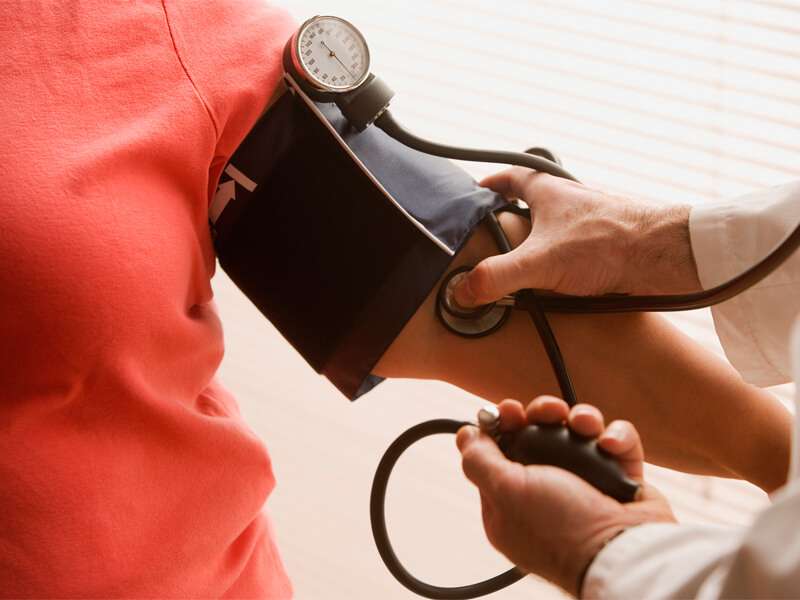
Respiratory infections encompass a variety of illnesses affecting the airways, including colds and bronchitis. Understanding these infections can aid in prevention and treatment strategies.
- The most common symptoms include cough, sore throat, nasal congestion, and sometimes fever. More severe cases may cause difficulty breathing.
- A thorough examination along with symptom history typically aids in diagnosis; additional tests such as chest X-rays may be ordered if pneumonia is suspected.
- Treatment usually focuses on relieving symptoms through rest, hydration, over-the-counter medications like decongestants or cough syrups, but antibiotics are only necessary for bacterial infections.
- Your physician may recommend preventive measures such as vaccinations against flu or pneumonia to minimize the risk of future infections.
- Understanding triggers and avoiding irritants can help manage chronic respiratory conditions effectively.
With proper care strategies in place, most patients recover fully from respiratory infections without lasting effects.
DIABETES SCREENING AND MANAGEMENT

Diabetes is a metabolic disorder characterized by high blood sugar levels due to insulin resistance or insufficient insulin production. Regular screening can lead to early detection and effective management.
- An important sign of diabetes can be excessive thirst or frequent urination. Other symptoms might include fatigue and blurred vision.
- Diagnosis often includes fasting blood glucose tests or HbA1c tests that assess average blood sugar levels over time.
- Management typically involves dietary changes, physical activity, and sometimes medication or insulin therapy to maintain stable blood glucose levels.
- Education on carbohydrate counting and continuous monitoring technology may also be part of your treatment plan.
- A collaborative approach with your healthcare team ensures personalized care focused on your lifestyle and preferences.
Effective management of diabetes not only helps alleviate symptoms but also significantly reduces the risk of complications in the long term.
HYPERTENSION MANAGEMENT

Hypertension, or high blood pressure, is a common condition that can lead to serious health problems if left untreated. Understanding and managing hypertension is crucial for maintaining overall health.
- Common symptoms may include frequent headaches, dizziness, or nosebleeds, though many people may not experience noticeable symptoms.
- Diagnosis typically involves measuring blood pressure during regular check-ups. A series of readings over time may be needed to confirm the diagnosis.
- Treatment options often include lifestyle changes such as diet improvements and increased physical activity. If necessary, medications like diuretics or ACE inhibitors may also be prescribed.
- Regular monitoring is essential to ensure that blood pressure levels remain within a healthy range and to adjust treatments as needed.
- Your healthcare provider will work with you to create a tailored management plan that fits your individual health needs.
Early intervention and consistent management can greatly reduce the risks associated with hypertension.