
Dr. Kazim R. Agha
About Me
Dr. Kazim R. Agha
MD
Dermatologist
10 Years Experience
Biography
My Clinic
OPD Hours
| Monday | Morning | 10:00 AM | - | 02:00 PM |
| Evening | 06:00 PM | - | 09:00 PM | |
| Tuesday | Morning | 10:00 AM | - | 02:00 PM |
| Evening | 06:00 PM | - | 09:00 PM | |
| Wednesday | Morning | 10:00 AM | - | 02:00 PM |
| Evening | 06:00 PM | - | 09:00 PM | |
| Thursday | Morning | 10:00 AM | - | 02:00 PM |
| Evening | 06:00 PM | - | 09:00 PM | |
| Friday | Morning | 10:00 AM | - | 02:00 PM |
| Evening | 06:00 PM | - | 09:00 PM | |
| Saturday | Morning | 10:00 AM | - | 02:00 PM |
| Evening | 06:00 PM | - | 09:00 PM | |
| Sunday | Morning | 10:00 AM | - | 02:00 PM |
| Evening | 06:00 PM | - | 09:00 PM |
Treatments
Specialised care and treatments offered
SKIN INFECTIONS
A variety of infections can affect the outer layer of the skin ranging from bacterial to fungal origin. Early intervention minimizes complications ensuring optimal outcomes!
- Common types: Conditions like cellulitis stemming from bacteria causing swelling & redness juxtaposed against fungal infections such as athlete's foot presenting itchy rashes .
- Symptoms overview: Symptoms generally encompass localized pain ; warm sensations coupled with pus formation extending swelling presence nearby region too .
- Diagnostic approach : Diagnosis takes place through clinical assessment where careful examinations determine involved organisms possibly supported via cultures when needed .
- Treatment protocols: Depending upon causative agent , treatment options will vary greatly including antibiotics targeting bacteria , antifungal creams/combinations used effectively addressing underlying infection source .
A rapid response improves recovery allowing individuals resume everyday life quickly afterwards!
CONTACT DERMATITIS
This condition occurs when the skin comes into direct contact with an irritant or allergen resulting in inflammation. Recognizing triggering substances is key to alleviating symptoms effectively!
- Causes: Irritants could range from chemicals found in soaps or cosmetics whilst allergens might include metals like nickel found commonly within jewelry.
- Symptoms: Symptoms manifest typically as red rash localized where contact occurred along with itchiness; chronic exposure can lead tougher patches forming over time .
- Diagnosis methodology: Dermatologists perform an examination considering patient history focusing closely upon recent exposures before suggesting potential patch testing if necessary .
- Treatment recommendations: Treatments often entail avoiding known irritants plus topical corticosteroids reducing inflammation during flare-ups alongside antihistamines mitigating itchiness associated responses.
Identifying personal allergens provides prolonged relief allowing patients return normal activities unhindered!
ROSACEA
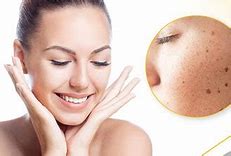
The inflammatory skin condition known as rosacea commonly affects facial areas characterized by redness. It’s crucial to recognize its signs early for effective management since it tends to worsen over time without treatment.
- Main symptoms: Symptoms typically include persistent redness across the cheeks and nose, visible blood vessels on the face (telangiectasia), swelling of the nose (rhinophyma) in advanced stages, and sensitive skin prone to flushing triggered by various stimuli.
- Causative factors: The exact cause remains unclear but factors such as environmental exposure (sunlight), hot drinks/foods shifting temperatures rapidly can exacerbate symptoms.
- Diagnosis: Clinical evaluation usually suffices; dermatologists may inquire into patient history while ruling out other conditions with similar presentations through visual inspection.
- Management options: Treatment generally involves topical medications like metronidazole alongside lifestyle modifications identifying personal triggers such as avoiding extreme temperatures or skincare irritants.
Regular follow-ups ensure optimal control over this chronic condition thus minimizing embarrassment linked with cosmetic concerns.
ACNE
Acne vulgaris is one of the most common dermatological conditions affecting adolescents and adults alike. It manifests when hair follicles become clogged with oil and dead skin cells.
- Main causes: Contributing factors include hormonal changes during puberty or menstruation, certain medications, dietary influences such as high sugar consumption, and genetic predisposition.
- Symptoms: Individuals may experience whiteheads, blackheads, pimples on the face or body as well as potential scarring if not treated appropriately.
- Diagnosis methods: A thorough examination by a dermatologist suffices for diagnosis; in some complex cases additional blood tests might be advised to assess hormone levels.
- Treatment strategies: Options range from over-the-counter topical agents containing salicylic acid or benzoyl peroxide to prescribed antibiotics or hormonal therapies for persistent cases.
A tailored treatment plan can greatly reduce acne severity while preventing future outbreaks.
ECZEMA
Eczema, or atopic dermatitis, is a prevalent skin condition that presents with dry, itchy skin which can become inflamed. Managing eczema requires understanding triggers and establishing a skincare routine.
- Common causes: Factors include allergens like dust mites or pollen, stress, weather changes, and certain foods.
- Symptoms: Symptoms encompass intense itching, red or brownish-gray patches on the skin, thickened or scaly skin areas, and small raised bumps that may leak fluid when scratched.
- Diagnosis: Diagnosis is primarily clinical based on symptomatology and history; in some cases, allergy tests may be undertaken to identify specific triggers.
- Treatment approaches: Treatments often involve moisturizers to prevent dryness along with topical steroids during flare-ups. Avoiding known irritants is crucial for long-term management.
A proactive approach to managing eczema can significantly enhance daily comfort for affected individuals.
PSORIASIS
Psoriasis is a chronic autoimmune condition characterized by rapid skin cell production leading to scaling and inflammation. It is often accompanied by joint pain in some forms, making diagnosis essential for effective management.
- Symptoms: Common symptoms include red patches covered with thick, silvery scales, dry and cracked skin that may bleed, and itching or burning sensations.
- Diagnosis: A dermatologist typically diagnoses psoriasis through a physical examination, assessing the appearance of the skin and sometimes performing a biopsy.
- Treatment options: Management can include topical treatments such as corticosteroids or vitamin D analogues, phototherapy, and systemic medications like biologics for severe cases.
- Expectations: While there is no cure, effective treatment can control symptoms and improve quality of life. Patients should be prepared for ongoing management and regular consultations.
Understanding psoriasis empowers patients to seek appropriate care, enhancing their overall skin health.