
Dr. Kanchan Kumar Gupta
About Me
Dr. Kanchan Kumar Gupta
MD
Radiologist
10 Years Experience
Biography
My Clinic
OPD Hours
| Monday | Morning | 10:00 AM | - | 02:00 PM |
| Evening | 06:00 PM | - | 09:00 PM | |
| Tuesday | Morning | 10:00 AM | - | 02:00 PM |
| Evening | 06:00 PM | - | 09:00 PM | |
| Wednesday | Morning | 10:00 AM | - | 02:00 PM |
| Evening | 06:00 PM | - | 09:00 PM | |
| Thursday | Morning | 10:00 AM | - | 02:00 PM |
| Evening | 06:00 PM | - | 09:00 PM | |
| Friday | Morning | 10:00 AM | - | 02:00 PM |
| Evening | 06:00 PM | - | 09:00 PM | |
| Saturday | Morning | 10:00 AM | - | 02:00 PM |
| Evening | 06:00 PM | - | 09:00 PM | |
| Sunday | Morning | 10:00 AM | - | 02:00 PM |
| Evening | 06:00 PM | - | 09:00 PM |
Services
Specialised care and treatments offered
FLUOROSCOPY
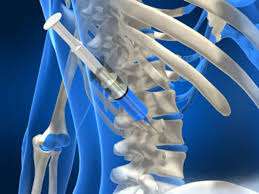
This real-time imaging technique utilizes continuous X-ray technology allowing dynamic visualization of internal structures during movement. Fluoroscopy aids in diagnosing functional abnormalities efficiently through live feed observations over time span invested up until conclusion reached .
- Symptoms observed : Patients presenting with swallowing difficulties , gastrointestinal issues hinting possible obstructions warranting endoscopy procedures trailblazed here first layer wise before operational engagements arise might necessitate further investigations too! .
- Diagnostic methodology employed : Using contrast agents enables clearer depictions where digestive tracts appear distorted visually along projection so interpretations lead correctly toward actionable next steps undertaken post investigation formulated adequately based experienced practitioner recognition criteria too! .
- Treatment modalities integrated thereafter : Depending results shown via fluoroscopic evaluations plans consisting lifestyle modifications coaching adopting nutritional elements aligned mitigating future recurrences stemming initially diagnosed patterns also considered favorably sometimes if suitable enough meeting established guidelines realistically applied throughout continuum care frames pursued ideally encountered thereafter ! .
- < strong />Communication standards upheld consistently explaining sensations felt relating motions translating hopefully capturing essence embodied explorative nature exhibited allowing collaborative outcomes equally satisfactory mutually enriching journey witnessed wholly transcendent experience sought together!
Fluoroscopy offers unique insights into bodily operations lending clarity which contributes immersive understanding paving way innovative paths towards improved therapeutic options arising drawn intuitively onwards positively crafting empowered narratives expressing resilience fostering growth shaping future prospects equally shared benefiting longevity accruable sustainability preserved consistently assuredly engaging dialogue opportunities enhanced firmly realized .
MRI
An MRI (Magnetic Resonance Imaging) scan offers a comprehensive view of soft tissues using powerful magnets and radio waves. It produces detailed images critical for diagnosing various conditions effectively.
- Disease Symptoms: Common indications include unexplained joint pain, neurological symptoms like headaches or dizziness requiring further evaluation without exposure to ionizing radiation.
X-RAY

X-rays are among the most common diagnostic tools available today. They use electromagnetic radiation to create images of the inside of the body quickly and effectively.
- Symptoms: Patients often seek X-rays for acute injuries like fractures, severe toothaches, or other urgent concerns involving multiple organ systems.
- Diagnosis: Radiologists interpret these images to identify structural abnormalities resulting from trauma or disease processes.
- Treatment Options: Treatment plans will vary based on findings—anything from rest and immobilization to surgical intervention may be indicated depending on severity.
- Expectations: The X-ray process itself is swift; however, precautionary measures like shielding are taken against radiation exposure wherever feasible.
X-rays are invaluable in emergency settings for rapid assessment and decision-making regarding patient management strategies.
ULTRASOUND

An ultrasound utilizes high-frequency sound waves to produce images of organs and structures inside the body. It is especially valuable due to its safety profile and versatility.
- Symptoms: Indications for ultrasound can range from abdominal pain to monitoring fetal development during pregnancy.
- Diagnosis: This technique does not employ radiation and offers real-time imaging which helps guide biopsies or assess organ function.
- Treatment Options: Ultrasounds assist in diagnosing conditions such as gallstones or liver diseases as well as evaluating blood flow in vessels.
- Expectations: The examination is painless, and patients can resume activities immediately afterward without any discomfort.
This method stands out for its non-invasive nature and effectiveness in guiding clinical decisions across diverse medical scenarios.
MAMMOGRAPHY

Mammography is a specific type of x-ray used primarily for breast cancer screening. It plays a crucial role in early detection of breast abnormalities.
- Symptoms: Patients may have no symptoms initially; however, abnormal lumps or changes in breast tissue may prompt screening.
- Diagnosis: This test employs low-dose X-rays to visualize the internal structures of the breasts, helping identify potential issues at an early stage.
- Treatment Options: Depending on findings, follow-up might include additional imaging or biopsy for definitive diagnosis.
- Expectations: The mammogram procedure takes only a few minutes and can be slightly uncomfortable due to compression but is essential for preventive health.
Mammography significantly improves outcomes by facilitating early intervention when changes are detected in breast tissue.
CT SCAN

A CT scan is an imaging procedure that provides detailed cross-sectional images of the body. It is commonly used to diagnose conditions related to internal organs, bones, and soft tissues.
- Symptoms: Patients may present with unexplained pain, injury, or abnormalities detected on a physical exam.
- Diagnosis: The procedure involves advanced imaging technology that uses X-rays and computer processing to create detailed images.
- Treatment Options: CT scans can help assess various conditions such as tumors, fractures, or infections, guiding further management.
- Expectations: The process is quick and non-invasive, although patients might need to remain still during the scan.
Overall, CT scans are vital for accurate diagnosis and targeted treatment planning, playing an essential role in patient care.