
Dr. Kamal Swarn
About Me
Dr. Kamal Swarn
MS
Orthopaedic Surgeons
10 Years Experience
Biography
My Clinic
OPD Hours
| Monday | Morning | 10:00 AM | - | 02:00 PM |
| Evening | 06:00 PM | - | 09:00 PM | |
| Tuesday | Morning | 10:00 AM | - | 02:00 PM |
| Evening | 06:00 PM | - | 09:00 PM | |
| Wednesday | Morning | 10:00 AM | - | 02:00 PM |
| Evening | 06:00 PM | - | 09:00 PM | |
| Thursday | Morning | 10:00 AM | - | 02:00 PM |
| Evening | 06:00 PM | - | 09:00 PM | |
| Friday | Morning | 10:00 AM | - | 02:00 PM |
| Evening | 06:00 PM | - | 09:00 PM | |
| Saturday | Morning | 10:00 AM | - | 02:00 PM |
| Evening | 06:00 PM | - | 09:00 PM | |
| Sunday | Morning | 10:00 AM | - | 02:00 PM |
| Evening | 06:00 PM | - | 09:00 PM |
Treatments
Specialised care and treatments offered
HIP REPLACEMENT SURGERY
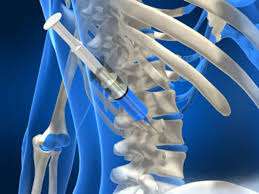
This surgical procedure replaces damaged hip joints due to conditions like arthritis; it's designed primarily for chronic joint pain relief alongside enhanced mobility post-surgery performance expectations increasing considerably thereafter!
- Main symptoms, indicating potential need for surgery include severe hip pain impacting daily life coupled with decreased flexibility experienced persistently despite prior conservative treatments failing over time met needs accordingly!
- Diagnosis requires comprehensive evaluations assessing extent damage alongside available alternatives prior deciding procedure sought overall adequacy basis shown clearly hereafter understanding importance timely responses taken earlier ensuring future quality long term outcomes achieved!
- Treatment options traditionally revolve around either partial total surgeries which result excellent functional recoveries followed closely through engaged rehabilitation programs aimed maximizing strength regain after operation completion performed successfully safely undertaken ultimately meeting standards set forth assisting journey aims envisioned toward restoration processes desired consistently!
With appropriate follow-ups scheduled regularly ensure all post-operative milestones reached satisfaction derived maintaining healthy lifestyles emphasize utmost significance proactive measures taken continuously thereafter contribute positively towards achieving goals envisioned pre-operationally effectively realizing these dreams finally attained once anticipated endeavors initiated preceded smoothly carried forth thoughtfully supported!
FRACTURE MANAGEMENT
A fracture occurs when bone is subjected to forces greater than it can withstand. The severity can range from hairline cracks to complete breaks affecting mobility dramatically if untreated.
- The primary symptoms, including sudden swelling at injury site or inability to move affected limb normally indicate potential fractures needing immediate attention.
- A thorough evaluation involving imaging assessments like X-rays helps confirm a diagnosis.
- Treatment focuses initially on immobilization using casts or splints as well as managing pain adequately through medications. Rehabilitation exercises foster healing post-immobilization period too!
The success rate is high if proper guidelines are followed throughout treatment stages adhering strictly means optimal recovery!
CARPAL TUNNEL SYNDROME

This common condition results from compression of the median nerve in the wrist leading to pain or numbness down into the hands. It's particularly prevalent among those who perform repetitive wrist motions.
- The hallmark symptom is tingling in fingers along with weakness while gripping objects; some report stiffness upon waking up.
- A comprehensive clinical examination combined with nerve conduction studies are essential for an accurate diagnosis.
- Treatments range from braces that immobilize wrists at night to corticosteroid injections that provide temporary relief; occupational therapy may also assist in rehabilitation efforts.
- Surgery could be an option if conservative treatments do not yield satisfactory improvements over time; your doctor will help determine this need based on symptom persistence.
Persistent issues should prompt healthcare consultation for effective interventions ensuring improved daily function.
TENDONITIS

Tendonitis refers to inflammation or irritation of a tendon caused by repetitive motion or injury. It typically manifests in joints such as shoulders, elbows, knees, or heels.
- Common symptoms are localized pain near a joint during movement or tenderness shown on physical examination.
- The diagnosis process includes physical evaluation and sometimes imaging techniques like ultrasound or MRI for a clearer view of tendon health.
- Treatment mainly consists of rest from aggravating activities, application of ice packs to reduce swelling, physiotherapy for rehabilitation purposes, along with medications to control pain and inflammation.
- If conservative measures fail, surgical options may be considered based on severity; however, most patients respond well to initial home management practices.
Tendonitis greatly improves with time when appropriate care is adhered to early on!
PLANTAR FASCIITIS

This condition is characterized by inflammation of the plantar fascia, the thick band of tissue connecting the heel to the toes. It commonly presents with heel pain that worsens after resting periods.
- Main symptoms involve sharp pain near the heel that is most intense during first steps in the morning or after sitting for long periods.
- A thorough assessment including physical exams and possibly imaging studies assists in diagnosis.
- Treatment modalities encompass stretching exercises, use of orthotics to support foot structure, non-steroidal anti-inflammatory drugs (NSAIDs), and corticosteroid injections if necessary.
- A gradual return to activities alongside proper footwear enhances recovery chances and supports long-term foot health.
Early intervention can lead to significant improvements and reduce persistent discomfort associated with this condition.
OSTEOARTHRITIS

Osteoarthritis is a degenerative joint disease that often occurs with age. It results from the breakdown of cartilage in joints, causing pain and stiffness.
- Symptoms include joint pain, swelling, and decreased range of motion. You may notice discomfort after activity or prolonged sitting.
- Diagnosis typically involves a physical examination, review of symptoms, and imaging tests such as X-rays or MRI to assess cartilage loss.
- Treatment options vary and can include physical therapy, weight management, medications for pain relief, and in some cases, surgical interventions like joint replacement.
- Management also focuses on lifestyle modifications; incorporating regular low-impact exercise can significantly alleviate symptoms.
With appropriate management strategies, individuals can maintain an active lifestyle despite diagnosis.