
DR. Jhumma
About Me
DR. Jhumma
B.P.T
Physiotherapist
10 Years Experience
Biography
My Clinic
OPD Hours
| Monday | Morning | 10:00 AM | - | 02:00 PM |
| Evening | 06:00 PM | - | 09:00 PM | |
| Tuesday | Morning | 10:00 AM | - | 02:00 PM |
| Evening | 06:00 PM | - | 09:00 PM | |
| Wednesday | Morning | 10:00 AM | - | 02:00 PM |
| Evening | 06:00 PM | - | 09:00 PM | |
| Thursday | Morning | 10:00 AM | - | 02:00 PM |
| Evening | 06:00 PM | - | 09:00 PM | |
| Friday | Morning | 10:00 AM | - | 02:00 PM |
| Evening | 06:00 PM | - | 09:00 PM | |
| Saturday | Morning | 10:00 AM | - | 02:00 PM |
| Evening | 06:00 PM | - | 09:00 PM | |
| Sunday | Morning | 10:00 AM | - | 02:00 PM |
| Evening | 06:00 PM | - | 09:00 PM |
Treatments
Specialised care and treatments offered
POST-SURGICAL REHABILITATION
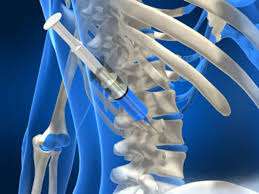
The process following surgery can significantly impact overall recovery time and functionality. Post-surgical rehabilitation aims to restore movement patterns while guiding clients gradually back into regular activity safely post-operatively.
- The main goal here is mitigating postoperative complications like stiffness or weakness resulting from immobilization post-surgery;
- Early-stage rehabilitation usually focuses heavily around controlled movements ensuring optimal healing occurs before advancing into strength development later sessions .
- Close monitoring ensures progression adheres correctly aligned towards personal comfort maintaining safer workloads without jeopardizing healing components involved . < li :< / ul:>>>
KNEE OSTEOARTHRITIS
Knee osteoarthritis is a degenerative joint disease characterized by cartilage breakdown leading to joint pain and stiffness. It commonly develops with age but can also be influenced by previous injuries or obesity levels affecting knee load-bearing capacity.
- Main symptoms include chronic knee pain during activity or weight-bearing movements, swelling around joints, and reduced range of motion in bending/stretching actions.
- Diagnosis generally involves an assessment including clinical evaluation along with X-ray imaging.
- Management strategies include prescribed exercise regimes focusing on strength training ; they help improve function while minimizing pain levels significantly.
- Weight management advice may also be provided if obesity contributes negatively towards knee health.
- In some cases where conservative care fails , bracing may offer additional support .
Adopting appropriate lifestyle changes alongside professional physiotherapy empowers patients towards improved mobility without resorting immediately towards surgery .
PLANTAR FASCIITIS

Plantar fasciitis is a common cause of heel pain that occurs due to inflammation of the plantar fascia—a thick band of tissue connecting your heel bone to your toes. It often results from excessive walking or standing on hard surfaces without adequate foot support.
- The most common symptoms include sharp heel pain during the first steps in the morning or after prolonged sitting periods throughout the day.
- A detailed clinical evaluation combined with patient history is typically sufficient for diagnosis; imaging may be needed in complex cases.
- Treatment focuses on stretching exercises, orthotic devices for better foot alignment, and possibly night splints that maintain foot position during sleep to relieve tension on the fascia.
- Corticosteroid injections may provide temporary relief for severe cases with persistent pain not responding to conservative therapies.
Prolonged treatment consistency usually ensures successful outcomes for this condition.
SHOULDER IMPINGEMENT SYNDROME

Shoulder impingement syndrome occurs when shoulder tendons are entrapped during shoulder movements. This condition can lead to pain and restricted motion if left untreated.
- Common symptoms include shoulder pain when lifting arms overhead, weakness in shoulder muscles, and possible swelling around the joint area.
- A physical examination combined with imaging studies helps confirm the diagnosis effectively.
- Treatment typically focuses on physical rehabilitation, incorporating range-of-motion exercises and strengthening routines specific to shoulder stability.
- Pain management might involve anti-inflammatory medications or corticosteroid injections for reducing inflammation around tendons.
- An education program about proper ergonomics during daily tasks is crucial for long-term recovery success.
Early intervention can lead to a quicker return to normal activities without surgical intervention.
TENNIS ELBOW (LATERAL EPICONDYLITIS)

Tennis elbow is an overuse injury characterized by pain on the outer part of the elbow. It typically occurs due to repetitive arm movements that strain the muscles and tendons around the elbow joint.
- The primary symptoms include tenderness on the outside of the elbow, pain while gripping objects, and weakness in the forearm.
- A thorough physical examination along with patient history usually aids in the diagnosis.
- Management often involves manual therapy, ice application, and specific strengthening exercises tailored to boost recovery.
- Pain relief may also be sought through modalities such as ultrasound therapy or electrical stimulation.
- An individualized rehabilitation plan will address both recovery and prevention strategies to avoid recurrence.
This condition's prognosis is generally positive with adherence to recommended therapies.
CHRONIC LOWER BACK PAIN

Chronic lower back pain is a persistent discomfort that can significantly affect daily activities and quality of life. It may stem from various factors such as poor posture, muscle strain, or disc degeneration.
- Symptoms include continuous aching in the lower back, stiffness, and reduced flexibility.
- The diagnosis often involves a physical examination, imaging tests like MRI or X-rays, and reviewing medical history.
- Treatment options focus on physical therapy, which includes strengthening exercises, stretching routines, and manual therapy techniques.
- Patients can also expect guidance on lifestyle modifications, such as ergonomic adjustments at home or work.
- Regular follow-ups help track progress and adapt treatment plans as needed.
With appropriate management strategies, patients can achieve significant relief and improve their functional capabilities.