
Dr. Jamal Clinic.
About Me
Dr. Jamal Clinic.
MD
Cardiologist
10 Years Experience
Biography
My Clinic
OPD Hours
| Monday | Morning | 10:00 AM | - | 02:00 PM |
| Evening | 06:00 PM | - | 09:00 PM | |
| Tuesday | Morning | 10:00 AM | - | 02:00 PM |
| Evening | 06:00 PM | - | 09:00 PM | |
| Wednesday | Morning | 10:00 AM | - | 02:00 PM |
| Evening | 06:00 PM | - | 09:00 PM | |
| Thursday | Morning | 10:00 AM | - | 02:00 PM |
| Evening | 06:00 PM | - | 09:00 PM | |
| Friday | Morning | 10:00 AM | - | 02:00 PM |
| Evening | 06:00 PM | - | 09:00 PM | |
| Saturday | Morning | 10:00 AM | - | 02:00 PM |
| Evening | 06:00 PM | - | 09:00 PM | |
| Sunday | Morning | 10:00 AM | - | 02:00 PM |
| Evening | 06:00 PM | - | 09:00 PM |
Treatments
Specialised care and treatments offered
DEVICE IMPLANTATION (PACEMAKER)

Pacemaker implantation involves placing a small device under your skin that helps regulate abnormal heartbeat patterns. This intervention can greatly enhance quality of life for individuals suffering from bradycardia or other arrhythmias by ensuring adequate heart rates are maintained during everyday activities.
- Pacing devices monitor electrical signals sent throughout the organ constantly adjusting impulses as needed when natural conduction pathways malfunction occur resulting in low energy states felt as fatigue or dizziness by patients beforehand experiencing numerous related symptoms regularly prior operating mechanism usage needs might arise!
- Factors indicating possible consideration towards implanting one include First degree AV block second degree Type II AV block complete Heart Block etc., resolved criteria—even multiple episodes occurring within specific intervals experienced earlier Symptoms could warrant timely evaluation during follow-up appointments afterwards too!
With modern advancements offering minimally invasive techniques today spotlight shines brightly upon safety efficacy satisfaction measured collectively among those receiving improvements made tailored approaches post operative surges experienced routinely thereafter patients
STRESS TESTING
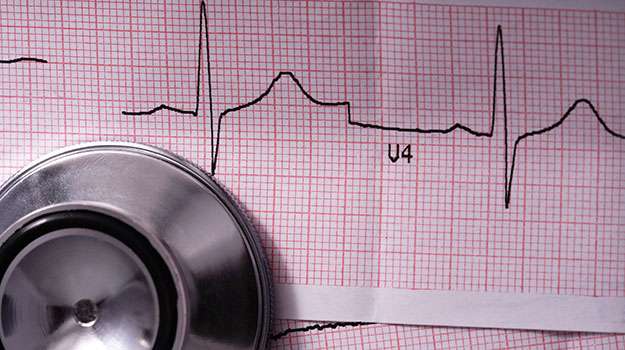
A stress test evaluates how well your heart functions under physical exertion. It’s an essential tool for assessing cardiovascular fitness and identifying potential issues before they progress further into serious conditions such as coronary artery disease.
- You might be asked to walk on a treadmill or ride stationary bicycles while monitoring your heart rate and rhythm closely via electrocardiography (ECG).
- This assessment can reveal underlying problems that may not be apparent when you are at rest, including angina triggers.
The results enable healthcare providers to tailor effective lifestyle adjustments or necessary treatments based on individual patient assessments regarding cardiovascular health and risk factors encountered during exercise stress testing procedures.
CARDIAC CATHETERIZATION
Cardiac catheterization is an important diagnostic test used to examine how well your heart is functioning. During this procedure, a thin tube called a catheter is inserted into a blood vessel and guided toward your heart for imaging and assessment purposes.
- This method helps diagnose conditions such as coronary artery blockages, valve defects, or congenital heart disease.
- The presence of symptoms like unexplained chest pain often prompts this thorough investigation.
- The process generally involves enhancing images through contrast dye injection while performing measurements within the heart chamber pressures and oxygen levels for comprehensive analysis.
This procedure aids in forming targeted treatment strategies based on detailed anatomical data obtained directly from within the cardiovascular system itself.
HOLTER MONITOR
A Holter monitor is a portable device that continuously records your heart's rhythms over 24 to 48 hours. It is an effective tool for diagnosing arrhythmias and understanding how daily activities affect heart function.
- The device captures irregular heartbeats, which may not be detected during a standard ECG due to their intermittent nature.
- You will wear electrodes attached to your chest connected to the monitor, allowing freedom of movement during regular activities.
- This test is crucial if you experience symptoms like dizziness, palpitations, or blackouts without clear explanation.
- Your cardiologist will review the recordings after the monitoring period to identify any potential issues.
This method provides continual insights into your cardiac activity, helping ensure appropriate management of any discovered condition or irregularity.
ECHOCARDIOGRAM
An echocardiogram is an ultrasound test that provides a detailed image of the heart's structure and function. This non-invasive procedure is essential in diagnosing various heart conditions and monitoring heart health over time.
- This test can help identify abnormalities in heart valves or chambers, as well as assess overall heart function.
- The procedure is painless and usually takes about 30 to 60 minutes to complete.
- Common symptoms prompting an echocardiogram include unexplained fatigue, palpitations, or swelling in the legs.
- Echocardiograms are often recommended for patients with a history of heart disease.
- The results can guide treatment decisions, including medication or further interventions.
This valuable diagnostic tool enables cardiologists to craft personalized treatment plans based on precise images of heart anatomy.
ANGIOPLASTY
Angioplasty is a minimally invasive procedure aimed at widening narrowed or blocked blood vessels, particularly arteries. It is commonly used to treat conditions such as coronary artery disease and can significantly improve blood flow.
- Symptoms of blocked arteries may include chest pain, shortness of breath, and fatigue.
- Diagnosis often involves tests like angiograms, which visualize blood vessels using contrast dye.
- Treatment includes inserting a catheter with a balloon into the narrowed area; the balloon is then inflated to restore blood flow.
- A stent may be placed to keep the artery open long-term.
- Patients may experience immediate relief from symptoms post-procedure.
This procedure has a high success rate and is typically performed on an outpatient basis, allowing for quicker recovery times.