
Dr. Jabal Khan
About Me
Dr. Jabal Khan
MD
Diabetologist
10 Years Experience
Biography
My Clinic
OPD Hours
| Monday | Morning | 10:00 AM | - | 02:00 PM |
| Evening | 06:00 PM | - | 09:00 PM | |
| Tuesday | Morning | 10:00 AM | - | 02:00 PM |
| Evening | 06:00 PM | - | 09:00 PM | |
| Wednesday | Morning | 10:00 AM | - | 02:00 PM |
| Evening | 06:00 PM | - | 09:00 PM | |
| Thursday | Morning | 10:00 AM | - | 02:00 PM |
| Evening | 06:00 PM | - | 09:00 PM | |
| Friday | Morning | 10:00 AM | - | 02:00 PM |
| Evening | 06:00 PM | - | 09:00 PM | |
| Saturday | Morning | 10:00 AM | - | 02:00 PM |
| Evening | 06:00 PM | - | 09:00 PM | |
| Sunday | Morning | 10:00 AM | - | 02:00 PM |
| Evening | 06:00 PM | - | 09:00 PM |
Treatments
Specialised care and treatments offered
DIABETIC RETINOPATHY

This serious eye condition arises from damage caused by high blood sugar levels affecting retinal vessels. It's crucial because it can lead to vision impairment or even blindness if left untreated so early detection is essential!
- Common indicators could range from blurry vision , floaters , or sudden vision loss ; hence routine screening becomes vital!
- Diagnosis generally utilizes dilated eye exams along with optical coherence tomography ( OCT ) scans which provide detailed images explaining potential damage occurring either early-stage or advanced stages .
- Treatment options involve laser therapy designed for sealing leaking vessels while anti-VEGF injections cultivate better outcomes through targeted intervention strategies .
- Consistent monitoring encourages overall healthcare management balancing all aspects ensuring healthy ways moving forward protecting both sight & general well-being concurrently .
Timely attention ensures any sight-threatening issues addressed properly!
DIABETIC NEUROPATHY
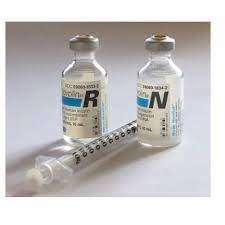
This complication develops due to nerve damage caused by prolonged high blood sugar levels. Diabetic neuropathy affects various nerves leading to discomfort or loss of sensation in different parts of the body especially hands and feet
- The most common symptoms include tingling sensations, pain or numbness in extremities, difficulty with coordination, and muscle weakness over time.
- An evaluation through neurological exams alongside standard blood tests aids in accurate diagnosis by assessing nerve function directly affected by diabetes over years.
PREDIABETES
This state indicates a higher than normal blood sugar level that hasn't yet reached diabetic status. It's an important warning sign that should not be ignored since it can lead to Type 2 diabetes over time.
- You might experience no symptoms at all; however, some may notice increased urination or thirst leading them to seek medical advice.
- A fasting blood sugar test or an A1C test is typically required for diagnosis to determine your risk level accurately.
- Lifestyle changes are key; these include increasing physical activity levels and adopting a healthier diet aimed at reducing weight if needed.
TYPE 2 DIABETES
This form of diabetes develops when the body becomes resistant to insulin or doesn't produce enough insulin. It is more common in adults but increasingly affects younger populations due to lifestyle factors.
- Main symptoms include increased cases of fatigue, slow-healing sores, blurred vision, and areas of darkened skin.
- A comprehensive evaluation through blood tests helps in diagnosing this condition effectively.
- Treatment often focuses on lifestyle modifications such as weight loss through diet and exercise; oral medications may also be prescribed if necessary.
- Monitoring blood glucose levels regularly is vital for effective management throughout life.
With proper care routines in place, those with Type 2 diabetes can manage their condition successfully.
GESTATIONAL DIABETES
Gestational diabetes occurs during pregnancy and affects how your cells use sugar. It usually resolves after childbirth but poses risks for both mother and baby during pregnancy.
- The condition may lead to symptoms such as increased thirst, frequent urination, and fatigue which can be subtle.
- An oral glucose tolerance test is commonly used for diagnosis around the 24th week of pregnancy.
- Management includes detailed dietary planning, physical activity guidance, and sometimes insulin therapy if blood sugar levels remain high.
- Regular monitoring of fetal growth is essential to prevent complications for both mother and baby.
A successful birth is possible with careful management of gestational diabetes throughout the pregnancy period.
TYPE 1 DIABETES
Type 1 diabetes is a chronic condition where the body cannot produce insulin, a hormone crucial for converting sugar into energy. This autoimmune disease often manifests in childhood or adolescence.
- Symptoms can include excessive thirst, frequent urination, extreme hunger, and fatigue.
- Diagnosis typically involves blood tests measuring glucose levels and ketones.
- Treatment requires lifelong management including insulin therapy, regular monitoring of blood sugar, and maintaining a balanced diet.
- A continuous glucose monitor (CGM) may help in managing daily glycemic control.
- Patients can expect regular follow-ups to adjust treatment plans as needed.
With appropriate management, individuals with Type 1 diabetes can lead healthy lives.