
Dr. Harsh
About Me
Dr. Harsh
MBBS
General Physician
10 Years Experience
Biography
My Clinic
OPD Hours
| Monday | Morning | 10:00 AM | - | 02:00 PM |
| Evening | 06:00 PM | - | 09:00 PM | |
| Tuesday | Morning | 10:00 AM | - | 02:00 PM |
| Evening | 06:00 PM | - | 09:00 PM | |
| Wednesday | Morning | 10:00 AM | - | 02:00 PM |
| Evening | 06:00 PM | - | 09:00 PM | |
| Thursday | Morning | 10:00 AM | - | 02:00 PM |
| Evening | 06:00 PM | - | 09:00 PM | |
| Friday | Morning | 10:00 AM | - | 02:00 PM |
| Evening | 06:00 PM | - | 09:00 PM | |
| Saturday | Morning | 10:00 AM | - | 02:00 PM |
| Evening | 06:00 PM | - | 09:00 PM | |
| Sunday | Morning | 10:00 AM | - | 02:00 PM |
| Evening | 06:00 PM | - | 09:00 PM |
Treatments
Specialised care and treatments offered
COMMON COLD
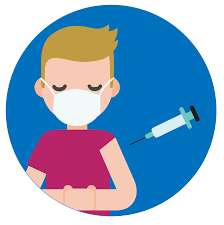
The common cold is a viral infection that affects the upper respiratory tract. It usually resolves on its own but can cause discomfort due to various accompanying symptoms. Awareness about this condition helps individuals take better care of themselves during cold seasons.
- Main symptoms: Symptoms typically include coughs, runny noses, sore throats, sneezing, and mild headaches.
- Causative agents: Over 200 different viruses can cause colds; rhinoviruses are among the most common culprits responsible for outbreaks during colder months.
SEASONAL ALLERGIES
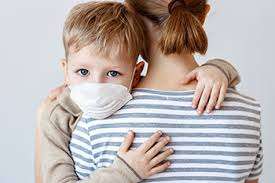
Seasonal allergies occur when the immune system reacts sensitively to pollen from trees, grasses, or weeds during specific times of the year. These allergies can significantly impact daily activities and quality of life but can be managed effectively with the right strategies.
- Symptoms: Typical symptoms include sneezing, itchy eyes/nose/throat, runny nose, and sinus congestion.
- Causative factors: Pollen is released during specific seasons; understanding local pollen counts can help anticipate allergy flare-ups.
- Diagnosis methods: Allergy testing through skin prick tests or blood tests assists in identifying specific allergens responsible for symptoms.
- Treatment options: Common treatments involve antihistamines or nasal corticosteroids which help alleviate symptoms. Additionally, allergen avoidance strategies play a critical role in management.
A proactive approach allows individuals experiencing seasonal allergies not only to manage their symptoms but also enjoy their daily activities throughout allergy season in Saharanpur.
DIABETES MANAGEMENT
Diabetes is a chronic condition where the body struggles to regulate blood sugar levels. This lifelong condition requires careful management to prevent complications such as heart disease or kidney damage. Understanding the nuances of diabetes is essential for effective patient care.
- Types: The primary types include Type 1 diabetes, where the body produces little or no insulin, and Type 2 diabetes, usually associated with insulin resistance.
- Symptoms: Common indications include increased thirst, frequent urination, extreme fatigue, and blurred vision.
- Diagnosis: Blood tests measuring glucose levels help in diagnosing diabetes; fasting glucose tests or A1C tests are commonly used.
- Treatment strategies: Management may involve insulin therapy for some patients and lifestyle modifications such as diet and exercise for others. Regular monitoring of blood sugar levels is also crucial.
A comprehensive approach involving education about the disease empowers patients in Saharanpur to lead healthier lives while managing diabetes effectively.
HYPERTENSION
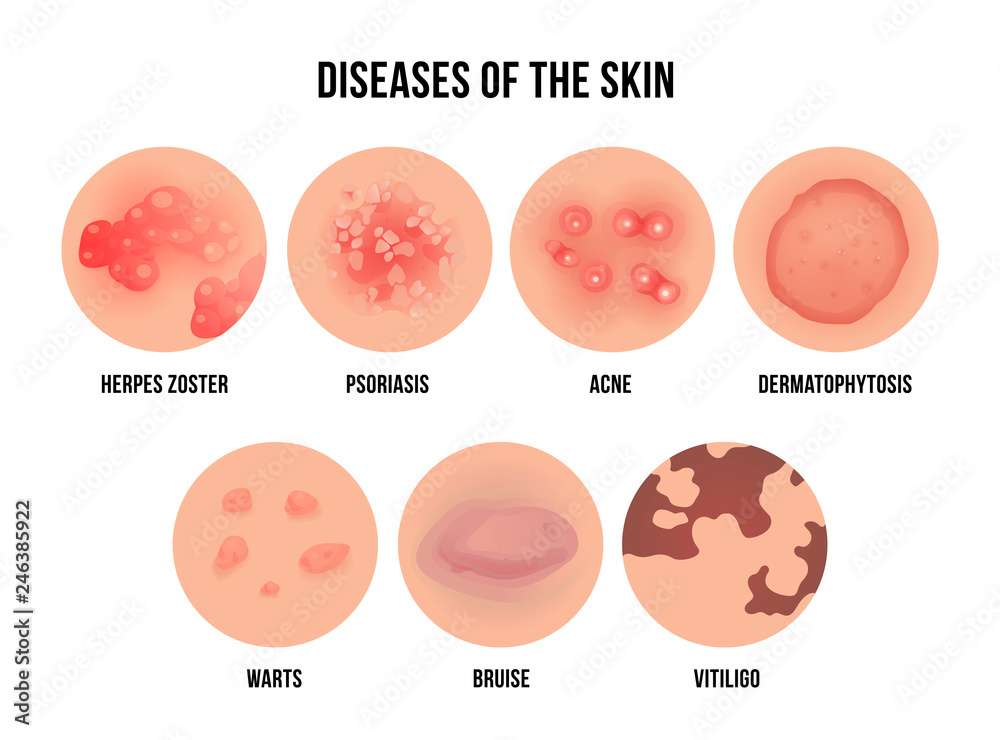
Hypertension, commonly referred to as high blood pressure, is a prevalent health condition that can lead to serious complications if left untreated. This condition often develops over many years and can affect anyone. Early detection and management are crucial for maintaining a healthy lifestyle.
- Symptoms: Many individuals with hypertension may not experience noticeable symptoms; however, severe cases can lead to headaches, shortness of breath, or nosebleeds.
- Causes: Factors contributing to hypertension include poor diet, lack of physical activity, obesity, and genetics.
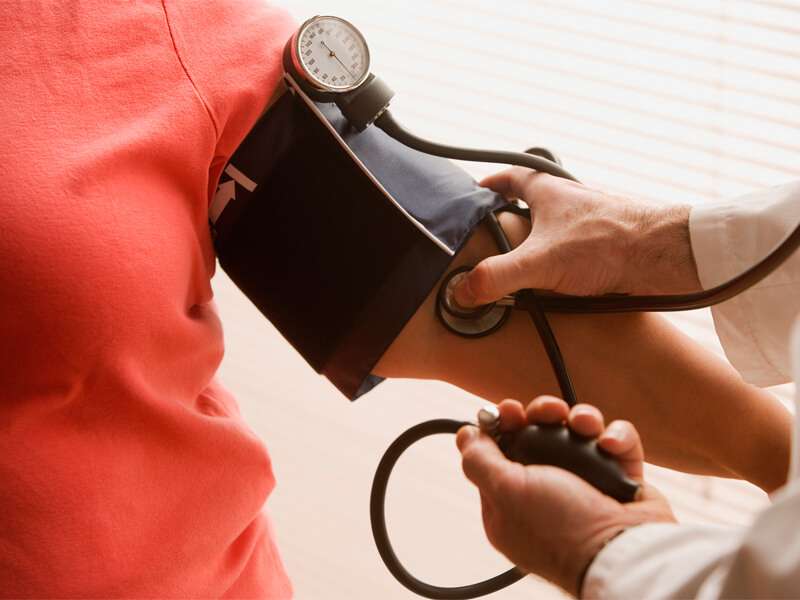
- Diagnosis: Blood pressure is measured using a sphygmomanometer. It is typically considered high if readings are consistently above 130/80 mm Hg.
- Treatment options: Management includes lifestyle changes such as improved diet and exercise, along with medications like diuretics or ACE inhibitors when necessary.
- What to expect: Regular monitoring of blood pressure is vital in managing hypertension effectively. Patients will work closely with their healthcare providers to adjust treatment plans as needed.
With proper care and attention, those living with hypertension can lead fulfilling lives while keeping their condition under control.