
Dr. haroon SABRI
About Me
Dr. haroon SABRI
MD
Dermatologist
10 Years Experience
Biography
My Clinic
OPD Hours
| Monday | Morning | 10:00 AM | - | 02:00 PM |
| Evening | 06:00 PM | - | 09:00 PM | |
| Tuesday | Morning | 10:00 AM | - | 02:00 PM |
| Evening | 06:00 PM | - | 09:00 PM | |
| Wednesday | Morning | 10:00 AM | - | 02:00 PM |
| Evening | 06:00 PM | - | 09:00 PM | |
| Thursday | Morning | 10:00 AM | - | 02:00 PM |
| Evening | 06:00 PM | - | 09:00 PM | |
| Friday | Morning | 10:00 AM | - | 02:00 PM |
| Evening | 06:00 PM | - | 09:00 PM | |
| Saturday | Morning | 10:00 AM | - | 02:00 PM |
| Evening | 06:00 PM | - | 09:00 PM | |
| Sunday | Morning | 10:00 AM | - | 02:00 PM |
| Evening | 06:00 PM | - | 09:00 PM |
Treatments
Specialised care and treatments offered
HAIR LOSS (ALOPECIA)
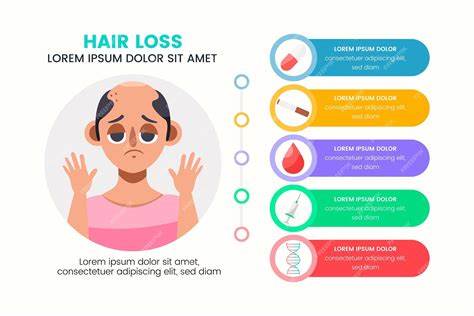
Alopecia refers to hair loss that can occur suddenly or gradually. Various types exist including androgenetic alopecia (male/female pattern baldness) which is commonly inherited but also other forms caused by autoimmune processes or stressors.
- Symptoms vary depending on type but often include thinning hair or bald patches on the scalp or other areas of the body.
- The underlying causes range from genetics to hormonal changes or reactions to medications that disrupt normal hair growth cycles.
- A detailed medical history along with scalp examination assists in making an accurate diagnosis; blood tests might be conducted if necessary.
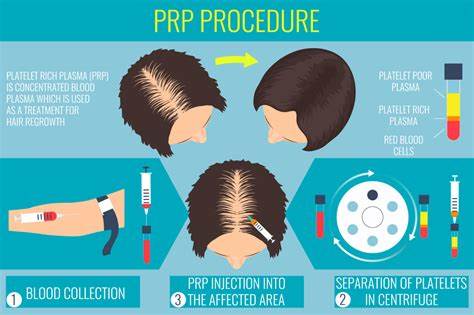
Treatment options span topical treatments like minoxidil for stimulation of hair growth to oral medications targeting specific causes. Expect consistent follow-up as results take time due to varying individual responses.
A personalized approach focused on both short-term effects and long-term management is crucial for optimal outcomes regarding hair loss conditions.
ECZEMA (ATOPIC DERMATITIS)
Eczema is a prevalent inflammatory skin condition characterized by dry, itchy patches that can appear anywhere on the body. It often starts in childhood but can persist into adulthood or develop later in life.
- Symptoms typically include intense itching, redness, and dry or flaky skin that may lead to cracking.
- The condition has several triggers such as allergens, irritants, stress, and climate fluctuations that exacerbate outbreaks.
- A thorough medical history and physical examination are essential for accurate diagnosis; patch tests may also be helpful in identifying triggers.
- Treatment usually involves moisturizing creams to combat dryness along with corticosteroids or other anti-inflammatory medications during flares.
- Persistent management allows many patients to maintain clear skin with regular care routines.
A proactive approach to managing eczema helps reduce flare-ups and improve comfort significantly over time.
PSORIASIS
This chronic autoimmune condition results in rapid skin cell production, leading to thickened patches of skin that can be itchy and painful. Psoriasis can significantly impact quality of life due to its visible symptoms.
- Common symptoms include red patches covered with thick, silvery scales on various body parts including elbows and knees.
- The exact cause is not fully understood but is thought to involve genetic factors and immune system dysfunction.
- Diagnosis depends on clinical evaluation; sometimes a biopsy may be performed for confirmation.
- Management strategies include topical treatments, phototherapy, and systemic medications for more severe cases.
- Expectations vary; some individuals find significant relief with treatment while others may experience flare-ups periodically.
A comprehensive approach can effectively manage symptoms and improve overall well-being for those living with psoriasis.
ACNE VULGARIS
Acne vulgaris is a common skin condition that primarily affects teenagers, though adults can also experience it. It is characterized by the presence of pimples, blackheads, and cysts on the skin.
- Symptoms include comedones (clogs), papules, pustules, and in severe cases, nodules and cysts.
- The condition is largely caused by hormonal changes, excess oil production, and the presence of bacteria on the skin.
- Diagnosis usually involves a physical examination of the affected areas to determine severity.
- Treatment options range from topical treatments like benzoyl peroxide to oral medications including antibiotics or hormonal therapy.
- Patients should expect gradual improvement over weeks or months with consistent treatment.
Early intervention can prevent scarring and emotional distress associated with acne vulgaris.