
Dr. GYANENDRA SACHAN
About Me
Dr. GYANENDRA SACHAN
MD
Diabetologist
10 Years Experience
Biography
My Clinic
OPD Hours
| Monday | Morning | 10:00 AM | - | 02:00 PM |
| Evening | 06:00 PM | - | 09:00 PM | |
| Tuesday | Morning | 10:00 AM | - | 02:00 PM |
| Evening | 06:00 PM | - | 09:00 PM | |
| Wednesday | Morning | 10:00 AM | - | 02:00 PM |
| Evening | 06:00 PM | - | 09:00 PM | |
| Thursday | Morning | 10:00 AM | - | 02:00 PM |
| Evening | 06:00 PM | - | 09:00 PM | |
| Friday | Morning | 10:00 AM | - | 02:00 PM |
| Evening | 06:00 PM | - | 09:00 PM | |
| Saturday | Morning | 10:00 AM | - | 02:00 PM |
| Evening | 06:00 PM | - | 09:00 PM | |
| Sunday | Morning | 10:00 AM | - | 02:00 PM |
| Evening | 06:00 PM | - | 09:00 PM |
Treatments
Specialised care and treatments offered
NUTRITION COUNSELING FOR DIABETES

Nutritional counseling plays a pivotal role in managing diabetes effectively. A well-balanced diet contributes significantly to controlling blood sugar levels
- A balanced diet can help manage weight while improving overall health outcomes for diabetics.
- Nutritionists assess dietary habits through detailed consultations before designing personalized meal plans tailored specifically for diabetic needs.
- Through education on carbohydrate counting and portion sizes, patients learn how food impacts glucose readings directly enhancing self-management skills dramatically.
- Continual support from counseling sessions allows individuals to navigate challenges associated with food choices while empowering their journey towards optimal results over time.
Embracing nutrition as part of comprehensive care fosters healthier lifestyles leading toward successful outcomes for those living with this condition.
CHOLESTEROL MANAGEMENT IN DIABETICS
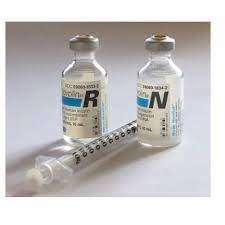
The relationship between cholesterol levels and diabetes cannot be overlooked. Proper cholesterol management helps lower the risk of heart disease among diabetics significantly.
- Elevated cholesterol often goes unnoticed; key indicators include fatigue or difficulty exercising without shortness of breath.
- Lipid profiles are used to assess cholesterol levels through simple blood tests conducted during routine check-ups.
- Effective treatment strategies encompass dietary modifications, increased physical activity, and medications like statins if required.
- Regular checks help tailor goals according to individual health status which supports overall cardiovascular health.
Taking proactive steps toward cholesterol control enhances long-term wellness for individuals with diabetes.
GESTATIONAL DIABETES SCREENING
Gestational diabetes occurs during pregnancy and requires careful monitoring for both maternal and fetal health. Screening generally takes place in the second trimester.
- Common signs might be absent; hence screening is vital regardless of symptoms to prevent complications during childbirth.
- The diagnosis typically involves testing blood glucose levels after fasting or following a glucose load test.
- If diagnosed, treatment includes dietary changes, physical activity recommendations, and sometimes insulin therapy to manage blood sugar levels effectively during pregnancy.
- Close monitoring ensures both mother and baby remain healthy throughout the pregnancy period.
Timely screening can prevent future health issues for both mother and child beyond pregnancy itself.
DIABETIC FOOT CARE
Foot care is a critical aspect of diabetes management. Individuals with diabetes are more susceptible to foot problems due to nerve damage and poor circulation.
- The major risk factors include numbness or tingling in the feet and slow-healing wounds or infections.
- A thorough examination by healthcare professionals is important for early detection of foot issues.
- Preventative measures include daily inspections of feet, proper footwear selection, and maintaining good hygiene habits.
- If problems arise, treatment options may involve wound care, antibiotics for infections, or even surgical intervention if necessary.
Proactive foot care significantly reduces the risk of severe complications associated with diabetes.
BLOOD SUGAR MONITORING
Monitoring blood sugar levels is essential in the management of diabetes. This practice helps patients understand how their lifestyle choices impact glucose levels.
- Common symptoms of fluctuating blood sugar include dizziness, sweating, headaches, and confusion.
- Blood sugar monitoring can be done through finger-prick tests or continuous glucose monitors (CGMs).
- Patients are encouraged to check their levels regularly for better control over their diabetes management plan.
- This practice allows for timely adjustments in diet or medication to maintain stable glucose levels.
- A healthcare professional will assist in developing an appropriate monitoring schedule tailored to individual needs.
Regular monitoring empowers patients to take an active role in their health care journey.
TYPE 2 DIABETES MANAGEMENT
Type 2 diabetes is a chronic condition that affects the way your body metabolizes sugar (glucose). Because it can lead to serious health issues, understanding its management is crucial.
- Symptoms may include increased thirst, frequent urination, extreme fatigue, and blurred vision.
- This condition is commonly diagnosed through blood tests measuring glucose levels.
- Treatment often involves lifestyle modifications such as balanced diet, regular exercise, and weight management; medication may also be prescribed when necessary.
- The goal of management is to maintain blood sugar levels within a normal range and prevent complications such as cardiovascular disease.
- Regular follow-up appointments are essential to monitor treatment effectiveness and make necessary adjustments.
With effective management, individuals can lead healthy lives with type 2 diabetes.