
Dr. Gulsher Ali
About Me
Dr. Gulsher Ali
MS
General Surgeons
10 Years Experience
Biography
My Clinic
OPD Hours
| Monday | Morning | 10:00 AM | - | 02:00 PM |
| Evening | 06:00 PM | - | 09:00 PM | |
| Tuesday | Morning | 10:00 AM | - | 02:00 PM |
| Evening | 06:00 PM | - | 09:00 PM | |
| Wednesday | Morning | 10:00 AM | - | 02:00 PM |
| Evening | 06:00 PM | - | 09:00 PM | |
| Thursday | Morning | 10:00 AM | - | 02:00 PM |
| Evening | 06:00 PM | - | 09:00 PM | |
| Friday | Morning | 10:00 AM | - | 02:00 PM |
| Evening | 06:00 PM | - | 09:00 PM | |
| Saturday | Morning | 10:00 AM | - | 02:00 PM |
| Evening | 06:00 PM | - | 09:00 PM | |
| Sunday | Morning | 10:00 AM | - | 02:00 PM |
| Evening | 06:00 PM | - | 09:00 PM |
Treatments
Specialised care and treatments offered
THYROID SURGERY
The thyroid gland controls many bodily functions through hormone production. Surgical intervention may become necessary due to conditions such as nodules or cancer affecting thyroid health thereby necessitating careful management decisions regarding thyroid surgery options available today
- Main symptoms indicating potential issues might involve swelling at base of neck region coupled with sudden weight changes affecting metabolism levels irregularly compared traditionally expected patterns observed;
- Diagnosis generally entails blood tests evaluating hormone levels aesthetics around detected nodules accompanied by ultrasound scanning procedures aiding visualization purposes while confirming nature behind detected abnormalities
- Surgical options vary based on examination results potentially leading toward partial/complete removal techniques applicable depending upon urgency factors involved
Post-operative recovery trends typically span over several days requiring routine follow-ups towards hormonal replacement solutions depending directly upon extracted volumes influencing metabolism regulation overall post-surgery management plans implemented accordingly
BOWEL OBSTRUCTION

A bowel obstruction occurs when there is a blockage that prevents food or liquid from passing through the intestines. This condition requires urgent medical evaluation as it can lead to severe complications if not addressed promptly.
- Signs include abdominal pain, bloating, lack of bowel movements or gas elimination, vomiting, as well as dehydration signs in serious cases.
- A physician will typically utilize imaging studies such as X-rays or CT scans alongside physical examinations for accurate diagnosis of this condition.
- Treatment might include hospitalization for stabilization where fluids are administered; surgery may be required depending on obstruction severity and underlying cause such as adhesions or tumors.
Timely intervention is crucial as it reduces risks of more severe outcomes such as perforation of the intestine which could lead to life-threatening infections.
VARICOSE VEINS TREATMENT
Varicose veins are enlarged veins that often occur due to weakened valves within the veins. While they are often considered a cosmetic concern, they can lead to discomfort and more serious health issues if left untreated.
- Symptoms may include visible swollen veins, aching legs, heaviness feeling after standing for long periods, and skin changes over time.
- The diagnosis includes a physical exam along with an ultrasound to evaluate blood flow through the veins.
- Treatment options range from lifestyle changes and compression stockings to minimally invasive procedures like sclerotherapy or laser therapy.
- Persistent cases might require surgical intervention for vein stripping in severe situations involving ulcers or bleeding risks.
Seeking treatment not only resolves aesthetic concerns but also improves overall leg circulation and reduces discomfort.
GALLBLADDER REMOVAL (CHOLECYSTECTOMY)
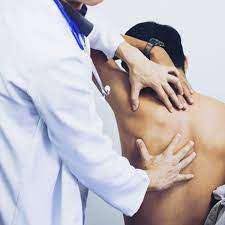
The gallbladder plays a key role in digestion by storing bile produced by the liver. However, when gallstones form or inflammation occurs, removal might be necessary to eliminate pain and prevent further issues.
- Common symptoms include severe abdominal pain after meals, nausea, and jaundice in severe cases.
- This condition is diagnosed via ultrasound or other imaging methods to visualize gallstones or inflammation.
- The standard treatment is cholecystectomy, which can be performed using either open surgery or minimally invasive laparoscopic surgery.
- Patients can generally expect to return home within a day after laparoscopic surgery with less downtime than traditional methods.
Living without a gallbladder is manageable for most people as the body adapts its bile processing over time.
HERNIA REPAIR
A hernia occurs when there is a weakness in the abdominal wall that allows tissues or organs to push through. This condition can affect individuals at any age and often requires surgical repair to avoid complications.
- The most common types include inguinal (groin) hernias and umbilical hernias.
- Symptoms may involve bulging in the abdomen or groin, discomfort, especially when lifting or straining.
- Diagnosis typically includes a physical examination, along with imaging if necessary to assess severity.
- Surgical options include open surgery or laparoscopic techniques aimed at repairing the defect.
- Recovery time varies based on the technique used but generally involves limited activity for several weeks.
Surgery for hernias can significantly improve quality of life by alleviating discomfort and preventing further complications.
APPENDICITIS
Appendicitis is a condition characterized by inflammation of the appendix, a small pouch attached to the large intestine. It often occurs suddenly and typically requires prompt surgical intervention to prevent complications.
- Symptoms may include abdominal pain, loss of appetite, nausea, and fever.
- This condition is usually diagnosed through a physical examination, blood tests, and imaging techniques like ultrasound or CT scans.
- Treatment often involves an appendectomy, where the inflamed appendix is surgically removed.
- Post-surgery, patients can expect to stay in the hospital for observation and recovery.
- If treated early, most individuals recover fully within a few weeks.
Understanding appendicitis helps in recognizing symptoms early and seeking timely medical attention to ensure better outcomes.