
Dr. Ghanshyam Gupta
About Me
Dr. Ghanshyam Gupta
MBBS
General Physician
10 Years Experience
Biography
My Clinic
OPD Hours
| Monday | Morning | 10:00 AM | - | 02:00 PM |
| Evening | 06:00 PM | - | 09:00 PM | |
| Tuesday | Morning | 10:00 AM | - | 02:00 PM |
| Evening | 06:00 PM | - | 09:00 PM | |
| Wednesday | Morning | 10:00 AM | - | 02:00 PM |
| Evening | 06:00 PM | - | 09:00 PM | |
| Thursday | Morning | 10:00 AM | - | 02:00 PM |
| Evening | 06:00 PM | - | 09:00 PM | |
| Friday | Morning | 10:00 AM | - | 02:00 PM |
| Evening | 06:00 PM | - | 09:00 PM | |
| Saturday | Morning | 10:00 AM | - | 02:00 PM |
| Evening | 06:00 PM | - | 09:00 PM | |
| Sunday | Morning | 10:00 AM | - | 02:00 PM |
| Evening | 06:00 PM | - | 09:00 PM |
Treatments
Specialised care and treatments offered
PREVENTIVE HEALTH CHECK-UPS

Regular preventive check-ups are integral for maintaining overall health. They allow for early detection of potential health problems before they develop into more serious conditions.
- The purpose is not only addressing existing concerns but also screening for common diseases based on personal history or risk factors like age and lifestyle choices.
- A thorough evaluation might include physical exams and various lab tests tailored according to individual health needs.
- A prevention strategy may involve vaccinations along with advice on nutrition and exercise regimens ideal for your profile.
- Regular consultations help track changes over time allowing proactive adjustments in care whenever necessary.
By engaging in preventive care practices regularly individuals empower themselves towards longer healthier lives.
DIGESTIVE HEALTH MANAGEMENT

Diverse digestive disorders like acid reflux or irritable bowel syndrome affect many individuals' quality of life. Understanding these conditions is essential for effective management.
- Symptoms often range from bloating and gas to discomfort or changes in bowel habits depending on the specific issue at hand.
- A diagnosis may require endoscopy or various imaging studies alongside symptom evaluation by a healthcare professional.
- Treatment strategies typically focus on dietary guidelines along with medication if necessary for symptom relief.
- An ongoing relationship with your doctor helps tailor treatments that suit your specific digestive health needs over time.
With appropriate interventions focused on digestive health, patients can experience significant improvements in comfort and lifestyle quality.
CHOLESTEROL MANAGEMENT

Elevated cholesterol levels can significantly impact heart health by increasing the risk of cardiovascular diseases. It’s crucial to manage cholesterol actively throughout life.
- Often there are no symptoms; hence regular testing is vital for early detection of high cholesterol levels.
- Diagnosis involves lipid panels that measure different types of fats in the blood.
- Treatment options include lifestyle changes such as diet modifications, increased physical activity, and possibly medications like statins when necessary.
- Your doctor will discuss regular monitoring schedules to evaluate cholesterol levels effectively over time.
By maintaining healthy cholesterol levels through proactive management, one can reduce their risk of heart-related issues significantly.
ASTHMA MANAGEMENT
Asthma is a chronic respiratory condition characterized by inflammation and narrowing of the airways. This can cause difficulty in breathing if not managed effectively.
- Common triggers include allergens, smoke, exercise, and respiratory infections which may lead to coughing or wheezing episodes.
- A diagnosis may involve lung function tests or assessments of your symptoms over time.
- Treatment generally includes inhalers for immediate relief as well as long-term control medications to manage inflammation.
- Patients should expect personalized asthma action plans to help them recognize worsening symptoms early on.
With effective management strategies, individuals with asthma can achieve control over their symptoms and enjoy an active lifestyle.
DIABETES CARE

Diabetes is a chronic condition that affects how your body processes glucose. It can lead to serious complications if not managed properly.
- Symptoms may include increased thirst, frequent urination, fatigue, and blurred vision.
- Diagnosis is usually confirmed through blood tests measuring glucose levels.
- Management often involves dietary changes, physical activity, and sometimes insulin or oral medications to maintain stable blood sugar levels.
- Regular monitoring of blood sugar levels is essential to prevent complications related to diabetes.
With appropriate care and lifestyle adjustments, individuals with diabetes can lead healthy lives.
HYPERTENSION MANAGEMENT

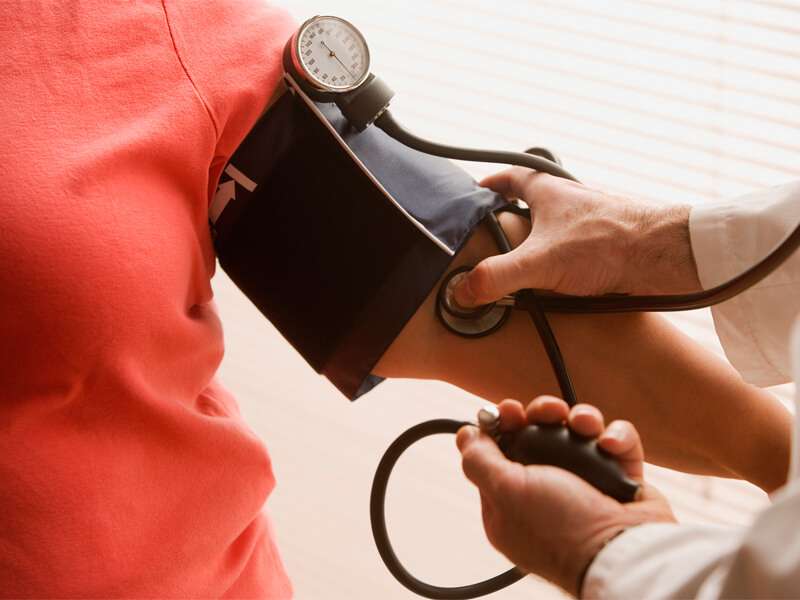
Hypertension, commonly known as high blood pressure, is a prevalent condition where the force of blood against artery walls is consistently too high. This can lead to serious health issues if left untreated.
- Common symptoms include headaches, dizziness, and nosebleeds; however, many individuals might not experience noticeable symptoms.
- Diagnosis typically involves regular blood pressure measurements during routine check-ups.
- Treatment often includes lifestyle modifications such as diet and exercise, and may also involve medications to help lower blood pressure effectively.
- Patients should expect regular monitoring to ensure effective management and adjustments in treatment as necessary.
Effective control of hypertension can significantly reduce the risk of heart disease and stroke.