
Dr. Geetanjali Bendre
About Me
Dr. Geetanjali Bendre
MD
Cardiologist
10 Years Experience
Biography
My Clinic
OPD Hours
| Monday | Morning | 10:00 AM | - | 02:00 PM |
| Evening | 06:00 PM | - | 09:00 PM | |
| Tuesday | Morning | 10:00 AM | - | 02:00 PM |
| Evening | 06:00 PM | - | 09:00 PM | |
| Wednesday | Morning | 10:00 AM | - | 02:00 PM |
| Evening | 06:00 PM | - | 09:00 PM | |
| Thursday | Morning | 10:00 AM | - | 02:00 PM |
| Evening | 06:00 PM | - | 09:00 PM | |
| Friday | Morning | 10:00 AM | - | 02:00 PM |
| Evening | 06:00 PM | - | 09:00 PM | |
| Saturday | Morning | 10:00 AM | - | 02:00 PM |
| Evening | 06:00 PM | - | 09:00 PM | |
| Sunday | Morning | 10:00 AM | - | 02:00 PM |
| Evening | 06:00 PM | - | 09:00 PM |
Treatments
Specialised care and treatments offered
PULMONARY EMBOLISM

Pulmonary embolism (PE) occurs when a clot blocks one of the pulmonary arteries in the lungs. It represents a critical condition that necessitates prompt recognition and treatment due its potentially life-threatening consequences if untreated early enough during acute presentation instances observed frequently following immobility periods experienced repeatedly over longer durations felt visibly present upon awakening suddenly related issues discovered afterwards ensuing diagnostic workup conducted appropriately thereafter ensuring timely access needed care defined explicitly herein below stated recommendations outlined well reflective clinical experience shared across community healthcare providers involved!
- Common symptoms observed indicate trouble breathing sudden onset accompanied noticeable chest pain pressing down feeling related cardiovascular exertion directly challenging typical endurance parameters previously seen expressed regularly never neglected immediately perceived heightened awareness establishing urgency required !
- Diagnosis relies heavily upon imaging—CT scans often utilized while D-dimer testing enhances accuracy confirming clotted presence suspected pathway!
- Treatment readily accessible includes anticoagulants assisting breaking apart undesirable formations simultaneously expanding veins allowing free flow restored rapidly enhanced circulation ultimately encouraged returning home alive after hospitalization resolved successfully!
- Long-term considerations emphasize adherence following prescribed medicinal regimens combined supportive interventions behaviorally modifying person’s habits both physical exertion involvement leading expeditiously towards full recovery attainable eventually lessening reoccurrence threats altogether proactively engaging mindsets henceforth immediately connecting furthermore establishing clear lines communication promoting preventative steps implemented ought signify importance driven factors continuously shaping outcomes determined ongoing paired vigilance education collectively full circle encapsulating entire experience lived through path followed faithfully reinforcing positives garnered witnessed firsthand benefits derived each step taken additively accumulative note!
Thus empowering readers reinforce understanding surrounding pulmonary embolism significantly culminating set patterns aiming developing literacy regarding this widely discussed concern frequently overlooked yet crucially central topics warrant addressing explicitly made sure comes foremost bringing clarity extends vital outreach support offered mutual benefit shared beneficially across population base similarly equipped resources raise level sophistication interactions realized finally bridging gap disconnect noted otherwise previously thereby enriching lives beyond measures anticipated originally gathered insights articulated responding more strategically aligned objectives crafted ultimately successful engagement producing results witnessed frontlines creating realities powered collaborative teamwork applicable universally framed engagements pursued diligently advancing mankind thrive appropriately securing healthy futures envisioned subsequently intact !
CORONARY ARTERY DISEASE
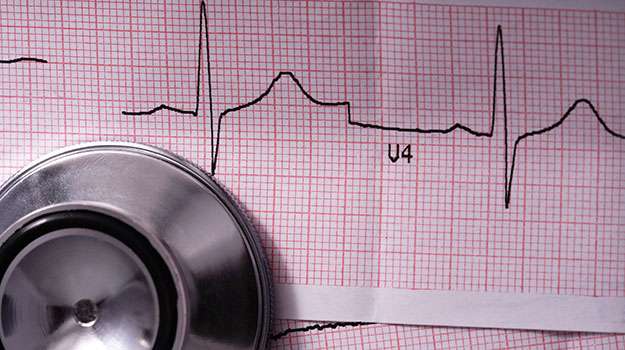
Coronary artery disease (CAD) develops when plaque builds up inside the coronary arteries leading to narrowed pathways for blood flow. Patients need awareness about risk factors associated with CAD for effective prevention strategies prior diagnosis advancement stages!
- The most common symphoms, including angina (chest pain), typically emerge during physical activity due increased oxygen demand eliciting decreased supply due narrowing artery channels encountered!
- Your doctor may use stress tests alongside angiograms for definitive investigation revealing degree blockage present already defined as CAD stage complexity however screening early prevents escalation measures taken soon enough toward intervention solutions available!
- Treatment approaches span from lifestyle modification suggestions emphasizing healthy eating habits along physical fitness routines backed additional support via medications (like statins) aiming lower cholesterol levels alongside potential surgical methods correcting significant blockages direct arterial pathways involved!
- Regular follow-ups ensure ongoing monitoring progress documenting success obtained individualized strategy deployed promoting lasting impact within patient’s long-term health goals achieved collectively over timeline!
Overall education surrounding coronary artery disease will empower individuals toward healthier choices fostering prevention methods rather than exacerbation future risk upon extensive insight gained exploring underlying mechanisms driving condition itself!
HYPERTENSIVE CRISIS
A hypertensive crisis refers to an extreme increase in blood pressure that can lead to severe health issues if not treated immediately. It is essential for patients at risk of hypertension to understand the signs and necessary responses before an emergency occurs.
- Sweating, headaches, vision changes, or chest pain are common indicators.
- An accurate diagnosis typically involves monitoring blood pressure readings in emergency settings where immediate interventions may be required.
- Treatment could include intravenous medications aimed at lowering blood pressure quickly under medical supervision for safety reasons during a crisis timeframe.
- Post-crisis management focuses on addressing underlying hypertension causes like obesity or poor diet through lifestyle changes coupled with long-term medication regimens if needed.
If addressed promptly with proper medical guidance provided throughout recovery phases afterward by professionals experienced in hypertension management ensures optimal health moving forward into daily life practices post-crisis incident experience!
ATRIAL FIBRILLATION
Atrial fibrillation (AFib) is characterized by irregular heartbeats that can lead to various complications if not managed properly. Understanding AFib helps patients recognize its potential impact on overall cardiovascular health.
- This condition might cause palpitations, dizziness, or fatigue among individuals experiencing it for the first time.
- A healthcare provider typically diagnoses AFib using an electrocardiogram (ECG) that visualizes heart rhythm abnormalities.
- Treatment may involve anticoagulant medications to prevent stroke or antiarrhythmic drugs aimed at restoring normal rhythm.
- In some cases, procedures like catheter ablation may be recommended depending on symptom severity and response to medication.
- Cognitive support from education about triggers plays a crucial role in managing flare-ups effectively over time.
With appropriate treatment plans tailored to individual needs, many patients with AFib can enjoy improved quality of life while minimizing risks associated with this arrhythmia.
CONGESTIVE HEART FAILURE
Congestive heart failure (CHF) arises when the heart cannot pump blood efficiently, leading to fluid buildup in the lungs and other body areas. This condition requires comprehensive management to enhance quality of life and relieve symptoms.
- Common symptoms of CHF include fatigue, swelling in legs or abdomen, and shortness of breath during activity.
- The diagnosis is often confirmed through echocardiograms or chest X-rays assessing heart function and fluid status.
- Treatment strategies include medication like diuretics and ACE inhibitors aimed at relieving symptoms and preventing progression.
- Lifestyle modifications such as dietary sodium restriction can also be instrumental in managing CHF effectively.
- Ongoing follow-ups are essential to monitor the condition's status and adjust treatment plans accordingly.
A proactive approach can help individuals manage their symptoms while maintaining an active lifestyle despite this chronic condition.
MYOCARDIAL INFARCTION
Myocardial infarction, commonly known as a heart attack, occurs when blood flow to a part of the heart is blocked, resulting in damage to the heart muscle. This serious condition often requires immediate medical attention to restore blood flow and minimize damage.
- Symptoms may include chest pain, shortness of breath, nausea, and sweating.
- A healthcare provider typically uses an ECG and blood tests to diagnose a myocardial infarction.
- Treatment options include medications such as aspirin or thrombolytics, alongside procedures like angioplasty or coronary artery bypass grafting.
- During recovery, lifestyle changes such as quitting smoking and regular exercise are crucial for heart health.
- Patients can expect a monitored recovery process that includes follow-up appointments and possibly cardiac rehabilitation.
Early intervention is key in managing myocardial infarction effectively, improving outcomes significantly.