
Dr. Gaurav Dixit
About Me
Dr. Gaurav Dixit
MS
Orthopaedic Surgeons
10 Years Experience
Biography
My Clinic
OPD Hours
| Monday | Morning | 10:00 AM | - | 02:00 PM |
| Evening | 06:00 PM | - | 09:00 PM | |
| Tuesday | Morning | 10:00 AM | - | 02:00 PM |
| Evening | 06:00 PM | - | 09:00 PM | |
| Wednesday | Morning | 10:00 AM | - | 02:00 PM |
| Evening | 06:00 PM | - | 09:00 PM | |
| Thursday | Morning | 10:00 AM | - | 02:00 PM |
| Evening | 06:00 PM | - | 09:00 PM | |
| Friday | Morning | 10:00 AM | - | 02:00 PM |
| Evening | 06:00 PM | - | 09:00 PM | |
| Saturday | Morning | 10:00 AM | - | 02:00 PM |
| Evening | 06:00 PM | - | 09:00 PM | |
| Sunday | Morning | 10:00 AM | - | 02:00 PM |
| Evening | 06:00 PM | - | 09:00 PM |
Treatments
Specialised care and treatments offered
CARPAL TUNNEL RELEASE
The carpal tunnel release is a common surgical procedure aimed at relieving pressure on the median nerve within the wrist. This condition arises from repetitive motions leading to symptoms like tingling, weakness, or numbness in fingers caused by swelling of surrounding tissues.
ROTATOR CUFF REPAIR
A rotator cuff repair is a surgical intervention aimed at fixing tears in the group of muscles and tendons that stabilize the shoulder. This condition typically arises from overuse injuries or age-related degeneration leading to shoulder weakness or pain during overhead activities.
- Pain Symptoms: Key signs include persistent shoulder pain that worsens at night or during specific movements along with limited range of motion.
- Diagnostic Tests : Evaluation involves physical examinations complemented by MRI scans confirming rotator cuff tears.
- Treatment Options : Surgery generally involves reattaching torn tendons using anchors; rehabilitation follows post-operation.
Proper management after rotator cuff repair plays a vital role in maximizing recovery potential so patients can return fully functional.
SPINAL FUSION

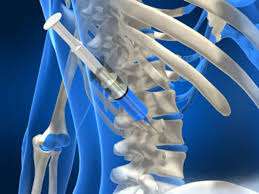
Spinal fusion is a surgical technique used to correct problems with the vertebrae in the spine. By fusing two or more vertebrae together using bone grafts or hardware, this procedure helps stabilize the spine and relieve pain caused by conditions like spondylolisthesis or degenerative disc disease.
- Conditions Treated: Effective for those experiencing chronic back pain not alleviated through non-surgical methods.
- Diagnostic Imaging: CT scans or MRIs are frequently utilized to visualize spinal alignment before surgery.
- Surgical Procedure: Surgeons create an access point near the affected area; bone grafts are then placed between vertebrae to encourage fusion over time.
The goal of spinal fusion is not only to alleviate discomfort but also to restore stability so patients can return to their daily activities safely.
KNEE ARTHROPLASTY

Knee arthroplasty, commonly known as knee replacement surgery, involves replacing damaged cartilage and bone in the knee joint with artificial components. It’s primarily recommended for patients with severe knee osteoarthritis or significant injury.
- Symptoms: Patients often report persistent knee pain during rest or activity accompanied by swelling and stiffness.
- Assessment: Diagnosis typically includes clinical evaluation and imaging techniques such as X-rays to assess joint damage.
- Surgical Methods: The procedure can be total or partial depending on the extent of damage; it aims to restore normal function while alleviating pain.
- Recovery Expectations: Patients usually engage in physical therapy soon after surgery to aid recovery and promote mobility.
Knee arthroplasty can be life-changing, providing relief from debilitating symptoms while enhancing activity levels post-surgery.
TOTAL HIP REPLACEMENT

Total hip replacement is a surgical procedure performed to replace damaged hip joints with artificial implants. This surgery aims to alleviate pain and restore function in individuals suffering from severe arthritis or hip injuries.
- Indications: Commonly indicated for chronic hip pain that has not responded to conservative treatments.
- Diagnosis: A thorough assessment including history taking and imaging studies like X-rays assists in planning the procedure.
- Surgical Process: The damaged ball-and-socket joint is removed and replaced with prosthetic components designed for stability and mobility.
- Post-Operative Care: Rehabilitation is essential to regain strength and range of motion following surgery.
This procedure significantly enhances quality of life by reducing pain and improving daily activities for many patients.
ARTHROSCOPIC SURGERY

Arthroscopic surgery is a minimally invasive procedure used to diagnose and treat joint problems. It involves the use of an arthroscope, a small camera inserted into the joint through tiny incisions, allowing surgeons to view the internal structures with precision.
- Symptoms: Patients often experience joint pain, swelling, and limited mobility.
- Diagnosis: Typically diagnosed through physical exams and imaging tests like MRI or X-rays.
- Treatment Options: Depending on the findings, treatment may include cleaning the joint, repairing damaged tissues, or removing loose bodies.
- Recovery: Post-surgery, patients can expect a quicker recovery compared to open surgeries due to smaller incisions.
In summary, arthroscopic surgery offers effective solutions for various joint issues while promoting faster healing times for patients.