
Dr. Gaurav Agarwal
About Me
Dr. Gaurav Agarwal
MS
Orthopaedic Surgeons
10 Years Experience
Biography
My Clinic
OPD Hours
| Monday | Morning | 10:00 AM | - | 02:00 PM |
| Evening | 06:00 PM | - | 09:00 PM | |
| Tuesday | Morning | 10:00 AM | - | 02:00 PM |
| Evening | 06:00 PM | - | 09:00 PM | |
| Wednesday | Morning | 10:00 AM | - | 02:00 PM |
| Evening | 06:00 PM | - | 09:00 PM | |
| Thursday | Morning | 10:00 AM | - | 02:00 PM |
| Evening | 06:00 PM | - | 09:00 PM | |
| Friday | Morning | 10:00 AM | - | 02:00 PM |
| Evening | 06:00 PM | - | 09:00 PM | |
| Saturday | Morning | 10:00 AM | - | 02:00 PM |
| Evening | 06:00 PM | - | 09:00 PM | |
| Sunday | Morning | 10:00 AM | - | 02:00 PM |
| Evening | 06:00 PM | - | 09:00 PM |
Treatments
Specialised care and treatments offered
SPINAL STENOSIS
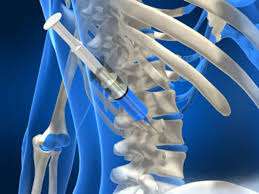
This condition involves narrowing spaces within your spine leading potentially severe entrapments upon nerve roots! Spinal stenosis creates troublesome sensations ranging from numbness primarily occurring within limbs towards debilitating lower back pains impacting overall functionality greatly!
- Your initial symptoms, such as localized pains exacerbating while standing upright yet easing up once seated—signals alarm bells regarding spinal stenosis presence significantly helping investigate relevant treatment options quickly!
- Evidently diagnostic steps encompass detailed history inquiries coupled alongside imaging modalities besides conventional MRIs showcasing narrowed channels where nerves traverse generously aiding clear treatment direction!
- Conservative treatments including both physical therapy sessions aiming flexibility improvements alongside guided injections delivering significant pain relief persist alongside surgical decompressing techniques deemed successful pathways enhancing individual quality living scarily impacted through prior ailments;
Understanding spinal stenosis's potential impacts fosters proactive approaches which underscore rapid intervention enhancements minimizing debilitating impacts subsequent upon daily living activities steadily ahead !
PLANTAR FASCIITIS
This common foot ailment occurs when inflammation affects the plantar fascia—a thick band of tissue supporting the arch of your foot. It mainly manifests as heel pain during walking after periods of inactivity or prolonged standing that worsens throughout the day!
- The leading symptoms, especially first thing in the morning or after sitting down for long periods—sharp pain felt at heel's bottom surface—signal this condition's presence effectively!
- A diagnostic approach combines patient history evaluation along with foot examinations to identify tenderness areas before ruling out other potential causes using imaging tests if needed!
- Treatment methods generally consist of rest strategies combined with stretching exercises tailored specifically toward relieving tension within plantar fascia tissues—orthotic supports play vital roles here too in maintaining arch alignment!
Catching plantar fasciitis early allows patients an effective pathway toward symptom relief while managing underlying factors contributing towards its likelihood over time!
HIP FRACTURES

Hip fractures are particularly concerning injuries among older adults due to falls or trauma. They occur when there’s a break in the upper part of the femur near the hip joint and are associated with significant pain and mobility challenges.
- Main symptoms include immediate hip pain following an injury along with an inability to bear weight on the affected leg; bruising or swelling may also occur around the area.
- A comprehensive evaluation usually includes physical assessment combined with X-rays or CT scans to determine fracture type and severity for definitive diagnosis.
- Treatment typically involves surgery for stabilization followed by rehabilitation programs aimed at restoring mobility through targeted exercises.Surgical options might involve partial hip replacements or internal fixation devices depending on fracture complexity.
Timely intervention enhances healing prospects substantially; therefore recognizing symptoms promptly can lead to better outcomes after hip fractures occur.
CARPAL TUNNEL SYNDROME

This condition arises from compression of the median nerve within the wrist's carpal tunnel. Carpal tunnel syndrome can cause numbness, tingling sensations in the hand and fingers, which can interfere with daily activities.
- The main symptoms often include nighttime numbness or pins-and-needles sensations that awaken individuals at night.
- An accurate diagnosis typically includes a thorough physical exam alongside nerve conduction studies to assess nerve function.
- Treatment options encompass wrist splints to reduce pressure on the nerve during sleep; anti-inflammatory medications may also provide relief. In more challenging cases, surgical decompression may become necessary.
- If treated promptly, most patients recover effectively without long-term complications; ongoing therapy post-surgery may further facilitate healing.
If you're experiencing these symptoms regularly, consulting an orthopaedic specialist ensures you receive appropriate care tailored for effective management of carpal tunnel syndrome.
ROTATOR CUFF TEAR

A rotator cuff tear is a common injury affecting the shoulder joint, where the tendons that stabilize the shoulder become damaged. This condition often results from wear and tear over time or acute injuries during sports activities.
- Common symptoms include shoulder pain, particularly when lifting your arm overhead, weakness in arm movements, and a clicking sensation in the shoulder joint.
- Diagnosis usually involves clinical evaluation along with imaging techniques such as ultrasounds or MRIs to confirm tears.
- Treatment may involve rest, physical therapy focusing on strengthening exercises, and anti-inflammatory medications. In severe cases where conservative measures fail, surgical repair might be required.
- Pain relief strategies and rehabilitative exercises are essential for optimal recovery post-treatment.
Addressing rotator cuff issues early can significantly enhance recovery outcomes and restore regular shoulder function.
KNEE OSTEOARTHRITIS

Knee osteoarthritis is a common degenerative joint disease that affects millions of people, particularly the elderly. This condition leads to the breakdown of cartilage in the knee joint, resulting in pain, stiffness, and reduced mobility.
- Symptoms may include persistent knee pain, swelling, and difficulty in bending or straightening the knee.
- Diagnosis typically involves a physical examination, patient history review, and imaging tests like X-rays or MRIs.
- Treatment options can range from lifestyle modifications and physical therapy to medications such as NSAIDs. In advanced cases, surgical interventions like arthroscopy or total knee replacement may be necessary.
- Patients can expect gradual improvement with treatment; adherence to prescribed exercises is crucial for recovery.
If you experience symptoms of knee osteoarthritis, seeking early intervention can help manage discomfort and maintain an active lifestyle.