
Dr. Faisel Khan(Sunder Singh)
About Me
Dr. Faisel Khan(Sunder Singh)
MS
Orthopaedic Surgeons
10 Years Experience
Biography
My Clinic
OPD Hours
| Monday | Morning | 10:00 AM | - | 02:00 PM |
| Evening | 06:00 PM | - | 09:00 PM | |
| Tuesday | Morning | 10:00 AM | - | 02:00 PM |
| Evening | 06:00 PM | - | 09:00 PM | |
| Wednesday | Morning | 10:00 AM | - | 02:00 PM |
| Evening | 06:00 PM | - | 09:00 PM | |
| Thursday | Morning | 10:00 AM | - | 02:00 PM |
| Evening | 06:00 PM | - | 09:00 PM | |
| Friday | Morning | 10:00 AM | - | 02:00 PM |
| Evening | 06:00 PM | - | 09:00 PM | |
| Saturday | Morning | 10:00 AM | - | 02:00 PM |
| Evening | 06:00 PM | - | 09:00 PM | |
| Sunday | Morning | 10:00 AM | - | 02:00 PM |
| Evening | 06:00 PM | - | 09:00 PM |
Treatments
Specialised care and treatments offered
HIP REPLACEMENT SURGERY
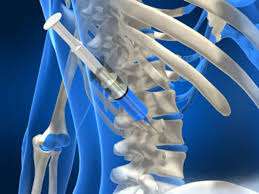
This procedure is designed for patients suffering from advanced hip joint problems typically resulting from arthritis or severe injury impairing mobility. It replaces damaged hip surfaces with artificial components for improved function.
- Main sypmtoms prompting this surgery often consist of chronic pain affecting daily tasks along with significant stifness within one's hip joint area causing limitations unnecessarily disrupting every day activities .
- < Diagnostic approaches usually rely upon thorough clinical evaluations followed by radiographic imaging assessments enhancing surgical decision making processes considerably enhancing necessary intervention protocols.. / li >
- < Treatment planning involves preoperative consultations ensuring patient readiness prior surgery scheduling establishing realistic expectation outcomes post-operating theatre visits.. / li >< Expectation management focuses around rehabilitation after being discharged promoting functional independence successfully integrated back into society allowing previously enjoyed endeavours once again!. / ul >
A comprehensive understanding regarding hip replacement surgeries fosters informed decisions leading towards favorable recovery paths ultimately improving quality life significantly thus making them worthwhile considerations amidst debilitating conditions .
SPORTS INJURIES
Sports injuries are prevalent among athletes but can occur in anyone engaged in physical activity. These injuries range from sprains to fractures due to sudden movements or falls while playing sports.
- The typical signs include sudden pain during an activity followed by swelling and limited range of motion in the injured area specifically related to strain types sustained during action sequences.
- Diagnosis often entails assessing injury mechanisms via a detailed examination combined with imaging studies when required / li >
- Treatment varies based on injury severity; it may include rest and ice application alongside physiotherapy targeting flexibility and strength restoration / li >
- < Expectation from treatment involves gradual return to activity levels while implementing preventive strategies moving forward / li >
Building knowledge around sports injuries enables both active participation safety guidelines compliance throughout recreational engagements widely across all age groups.
CARPAL TUNNEL SYNDROME

This condition results from increased pressure on the median nerve within the wrist's carpal tunnel. It commonly affects individuals who perform repetitive wrist motions, leading to discomfort over time.
- Mainly characterized by symptoms such as tingling, numbness, or pain in the hand that may extend up into the arms during activities involving hand use.
- A thorough assessment including patient history, neurological examinations, along with electromyography (EMG) may aid diagnosis effectively.
- Treatment plans usually consist of wrist splinting at night coupled with cortisone injections; surgical release procedures are also considered if conservative options fail.
- You should expect gradual symptom relief post-treatment; however, some may require extensive rehabilitation sessions afterward for optimal recovery outcomes.
Learnt awareness about carpal tunnel syndrome allows individuals to take proactive steps toward preventing its advancement through lifestyle changes if necessary.
TENDON INJURIES

Tendon injuries occur when tendons—the tissues connecting muscles to bones—sustain damage due to overuse or acute trauma. These injuries can significantly impact daily activities.
- The main symptoms are pain around joints or muscle attachments that often worsen with activity.
- A healthcare provider typically diagnoses tendon injuries through physical examination, along with imaging techniques such as MRIs for better visualization of soft tissue damage.
- Treatment strategies might include rest, ice therapy, anti-inflammatory medications, and sometimes surgical repair for severe cases.
- A structured rehabilitation program post-injury plays a crucial role in regaining full functionality of the affected area.
Caring properly for tendon injuries can lead to effective healing and restoration of normal activities without persistent pain.
FRACTURES

A fracture refers to a break in a bone that can result from an injury or stress. They can occur in any bone and vary in severity.
- Common symptoms of fractures include intense pain, swelling, bruising, and difficulty using the affected limb.
- Diagnostic procedures often involve X-rays, CT scans, or MRIs to confirm the fracture type and location.
- Treatment typically includes immobilization with casts or splints for non-displaced fractures, while surgical options like plates or screws may be needed for complex breaks.
- Your recovery process will likely include physical therapy to restore strength and motion post-fracture healing.
An accurate approach to fracture care ensures optimal healing and minimizes complications during recovery.
OSTEOARTHRITIS

Osteoarthritis is a degenerative joint disease that can affect individuals of varying ages, especially older adults. It occurs when the protective cartilage that cushions the ends of your bones wears down over time.
- Symptoms include joint pain, stiffness, and swelling, particularly after physical activity.
- The diagnosis is typically made through physical examinations, medical history assessments, and imaging tests like X-rays.
- Treatment options range from lifestyle modifications, such as weight management and exercise, to medications and potentially surgical interventions like joint replacement.
- Management is focused on reducing pain and improving mobility while maintaining a good quality of life.
Understanding osteoarthritis helps in better management of symptoms and enhances overall function in affected joints.