
DR. Deepak
About Me
DR. Deepak
MS
Orthopaedic Surgeons
10 Years Experience
Biography
My Clinic
OPD Hours
| Monday | Morning | 10:00 AM | - | 02:00 PM |
| Evening | 06:00 PM | - | 09:00 PM | |
| Tuesday | Morning | 10:00 AM | - | 02:00 PM |
| Evening | 06:00 PM | - | 09:00 PM | |
| Wednesday | Morning | 10:00 AM | - | 02:00 PM |
| Evening | 06:00 PM | - | 09:00 PM | |
| Thursday | Morning | 10:00 AM | - | 02:00 PM |
| Evening | 06:00 PM | - | 09:00 PM | |
| Friday | Morning | 10:00 AM | - | 02:00 PM |
| Evening | 06:00 PM | - | 09:00 PM | |
| Saturday | Morning | 10:00 AM | - | 02:00 PM |
| Evening | 06:00 PM | - | 09:00 PM | |
| Sunday | Morning | 10:00 AM | - | 02:00 PM |
| Evening | 06:00 PM | - | 09:00 PM |
Treatments
Specialised care and treatments offered
SPINAL DISC BULGE
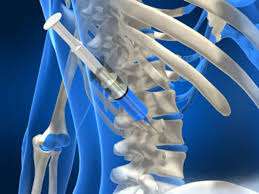
A spinal disc bulge occurs when intervertebral discs lose their elasticity yielding protrusions that press against adjacent nerves. This situation frequently affects older adults encountering age-related degenerative changes within their spine region leading discomfort debilitating sensations lasting weeks months afterwards .
- Symptoms: Typical complaints are back pains radiating into extremities tingling numbness leg weakness perhaps causing challenges performing basic daily chores.
- Causes: Degeneration results naturally with age however heavy lifting frequent bending positions increase risks developing disc problems.
- Diagnosis: A physician's evaluation includes neurological exams imaging assessments verifying extent seriousness underlying issues related implicated region(s).< / Li />< Li />Treatment methods: Coping mechanisms exist ranging from outpatient physiotherapy therapeutic exercise medications injections where necessary providing temporary relief though sometimes asking for surgical interventions depending upon severity level encountered cases suffering tremendously chronic conditions imminent interference interests productivity within households environments alike need prompt attention resolutions sought out promptly hereafter too!< Ul.../>
ANKLE SPRAIN
An ankle sprain occurs when ligaments supporting the ankle stretch beyond their limit resulting in possible tears. This injury commonly happens during sports activities but can also occur during daily activities like walking on uneven surfaces.
- Symptoms: Individuals usually feel immediate pain at the ankle site accompanied by swelling bruising difficulties walking.
- Causes: Sprains are commonly caused by twisting movements awkward landings that overstretch ligaments around joints.
- Diagnosis: To determine severity doctors may perform physical tests assess swelling tenderness ordering X-ray image exclusions fractures.
- Treatment approaches: Initial treatment follows R.I.C.E method—Rest Ice Compression Elevation—with further rehabilitation exercises once inflammation subsides. In rare cases surgery could be necessary for severe sprains.
- Recovery expectations: With consistent adherence most people recover fully regain previous activity levels without residual effects once healing finalized.
CARPAL TUNNEL SYNDROME

This condition arises when pressure builds up on the median nerve within the carpal tunnel of the wrist. It can lead to debilitating symptoms primarily affecting those who perform repetitive wrist motions such as typing or assembly work.
- Symptoms: Key indicators often include tingling sensations in fingers, hand weakness, especially when grasping objects like tools or phones.
- Causes: Risk factors encompass repetitive hand movements, pregnancy-related fluid retention issues, and certain health conditions like diabetes that affect nerve health.
HIP FRACTURE

A hip fracture is a serious injury often resulting from falls or high-impact trauma. This condition predominantly affects older adults whose bones may be weakened by osteoporosis or other medical conditions.
- Symptoms: Common indications include severe pain in the hip or groin area, inability to put weight on the affected leg, and noticeable deformity in the limb position.
- Causes: Most fractures occur due to falls; however, some result from direct impacts during sports or accidents.
- Diagnosis: Evaluation typically involves a detailed medical history along with X-rays or CT scans for confirmation of the fracture type and location.
- Treatment options: Initial care may focus on pain management followed by surgical correction utilizing pins or plates alongside rehabilitation plans.
A comprehensive approach aids recovery while minimizing long-term complications associated with mobility loss following a fracture.
ROTATOR CUFF TEAR

A rotator cuff tear can occur when one or more of the tendons in the shoulder become torn due to injury or degeneration. This condition is particularly common among athletes and older adults who engage in repetitive overhead activities.
- Symptoms: Patients typically experience shoulder pain, weakness during lifting tasks, and limited range of motion.
- Causes: Tears may result from acute injuries or gradual wear over time due to repetitive motions or heavy lifting.
- Diagnosis: Assessment involves a physical evaluation followed by imaging techniques like MRI to confirm tendon damage.
- Treatment methods: Options can include rest, ice application, physical therapy to improve strength and flexibility, and occasionally surgery if conservative treatments fail.
- Recovery expectations: Rehabilitation may take several months; however, many individuals successfully return to normal activities post-treatment.
This injury requires careful management to restore function while reducing discomfort.
KNEE OSTEOARTHRITIS

Knee osteoarthritis is a degenerative joint disease that often afflicts individuals as they age. This condition arises when the cartilage that cushions the knee joint wears down over time, leading to pain, stiffness, and reduced mobility.
- Symptoms: Commonly reported symptoms include persistent knee pain, swelling, and difficulty in bending or straightening the knee.
- Causes: Factors contributing to this condition include aging, previous injuries to the knee, and obesity.
- Diagnosis: A healthcare professional may perform a physical examination and recommend imaging tests such as X-rays or MRIs to assess joint damage.
- Treatment options: Management may involve lifestyle modifications, physical therapy, medication for pain relief, and in severe cases, surgical interventions like arthroscopy or joint replacement.
- What to expect: With proper management, many patients experience improved function and quality of life despite having osteoarthritis.
The goal of treatment is to alleviate symptoms and enhance mobility while maintaining an active lifestyle.