
Dr. DANISH
About Me
Dr. DANISH
MD
Diabetologist
10 Years Experience
Biography
My Clinic
OPD Hours
| Monday | Morning | 10:00 AM | - | 02:00 PM |
| Evening | 06:00 PM | - | 09:00 PM | |
| Tuesday | Morning | 10:00 AM | - | 02:00 PM |
| Evening | 06:00 PM | - | 09:00 PM | |
| Wednesday | Morning | 10:00 AM | - | 02:00 PM |
| Evening | 06:00 PM | - | 09:00 PM | |
| Thursday | Morning | 10:00 AM | - | 02:00 PM |
| Evening | 06:00 PM | - | 09:00 PM | |
| Friday | Morning | 10:00 AM | - | 02:00 PM |
| Evening | 06:00 PM | - | 09:00 PM | |
| Saturday | Morning | 10:00 AM | - | 02:00 PM |
| Evening | 06:00 PM | - | 09:00 PM | |
| Sunday | Morning | 10:00 AM | - | 02:00 PM |
| Evening | 06:00 PM | - | 09:00 PM |
Treatments
Specialised care and treatments offered
DIABETES EDUCATION PROGRAMS

A comprehensive educational program equips patients with essential knowledge about managing their diabetes effectively. These programs address various aspects such as nutrition, physical activity, medication adherence, monitoring techniques, and coping strategies relevant to living well with a diabetic condition over time.
- Benefits : Participants learn how lifestyle choices impact blood sugar control directly , which empowers them towards making healthier decisions daily .
- Topics Covered : Programs typically cover meal planning concepts emphasizing balanced diets low in refined sugars alongside incorporating physical exercise into routines frequently acknowledged as beneficial overall wellness outcomes ! / li >
By taking part actively individuals improve self-confidence while becoming better equipped handle challenges arising related managing life living productively despite medical needs involved . / p>
INSULIN PUMP THERAPY
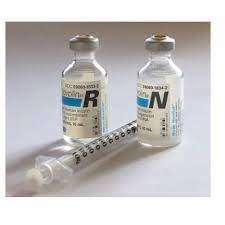
An insulin pump delivers constant doses of insulin throughout the day via a small device worn on the body. It replaces multiple daily injections for people with Type 1 diabetes or advanced Type 2 diabetes needing intensive insulin therapy.
- Convenience : The device allows for more freedom regarding meal times compared to traditional injection methods because users can program their doses based on current activity levels and dietary intake .
- Precision : These pumps provide precise delivery of insulin which helps maintain tighter control over blood glucose levels than sporadic injections typically allow .
- Customization : Users can tailor their settings according personal preferences regarding basal rates (background insulin delivery) along bolus amounts (insulin given at mealtimes).
Insulin pump therapy has been proven effective but requires commitment from users who must regularly monitor their own readings vigilantly.
DIABETIC FOOT CARE
Individuals with diabetes face an elevated risk of foot problems due to nerve damage and poor circulation. Proper foot care is essential to prevent complications like infections or ulcers that could lead to more serious health issues.
- Symptoms & Risks: Signs include numbness, tingling sensations, wounds that heal slowly, or discoloration of the feet. These issues often arise from neuropathy resulting from uncontrolled blood sugar levels over time.
- Your Routine: Daily foot inspections are recommended to catch minor issues before they escalate. Patients should also maintain proper hygiene by washing their feet regularly and moisturizing them carefully while avoiding moisture between toes.
The importance of diabetic foot care cannot be overstated as it plays a critical role in preventing serious complications associated with diabetes management.
CONTINUOUS GLUCOSE MONITORING (CGM)
Continuous Glucose Monitoring (CGM) is a revolutionary method for tracking glucose levels in real-time. This technology provides patients with important insights into their blood sugar patterns throughout the day, improving diabetes management significantly.
- Benefits: CGM systems help in detecting highs and lows quickly, enabling timely interventions to maintain optimal glucose levels.
- How it Works: A small sensor is inserted under the skin to measure glucose levels continuously, sending data to a receiver or smartphone app.
- Treatment Adjustments: With this real-time data, patients can make informed decisions about lifestyle choices and medication adjustments effectively.
This method enhances self-management and offers greater flexibility in daily routines for those with diabetes.
GESTATIONAL DIABETES CARE
Gestational diabetes occurs during pregnancy when the body cannot produce enough insulin to handle additional glucose. This condition requires careful monitoring to ensure both mother and baby remain healthy throughout the pregnancy.
- Symptoms: Often there are no noticeable symptoms; however, some women may experience increased thirst or fatigue.
- Diagnosis: A glucose tolerance test is typically performed between the 24th and 28th week of pregnancy to check for elevated blood sugar levels.
- Management Options: Treatment usually involves dietary changes, exercise, and possibly insulin therapy if diet alone does not suffice.
- Follow-Up: Regular follow-ups are crucial to monitor blood sugar levels and adjust treatment as needed during pregnancy.
A proactive approach ensures a positive outcome for both mother and child.
TYPE 1 DIABETES MANAGEMENT
Type 1 diabetes is a chronic condition in which the pancreas produces little or no insulin, a hormone essential for converting glucose into energy. This type of diabetes typically manifests in childhood or adolescence, but it can develop at any age.
- Symptoms: Common signs include increased thirst, frequent urination, extreme fatigue, and blurred vision.
- Diagnosis: It is diagnosed through blood tests that measure blood sugar levels and determine if they are above normal ranges.
- Treatment: Management includes regular insulin injections or the use of an insulin pump, along with continuous monitoring of blood glucose levels.
- Education: Patients are encouraged to learn about carbohydrate counting and how it affects their blood sugar levels.
- Long-Term Outlook: With proper management, individuals can lead healthy lives and minimize risks associated with complications.
Understanding Type 1 diabetes is vital for effective management and quality of life improvements.