
DR. BELA KAMBOJ
About Me
DR. BELA KAMBOJ
MS
Cardiothorocic Surgeon
10 Years Experience
Biography
My Clinic
OPD Hours
| Monday | Morning | 10:00 AM | - | 02:00 PM |
| Evening | 06:00 PM | - | 09:00 PM | |
| Tuesday | Morning | 10:00 AM | - | 02:00 PM |
| Evening | 06:00 PM | - | 09:00 PM | |
| Wednesday | Morning | 10:00 AM | - | 02:00 PM |
| Evening | 06:00 PM | - | 09:00 PM | |
| Thursday | Morning | 10:00 AM | - | 02:00 PM |
| Evening | 06:00 PM | - | 09:00 PM | |
| Friday | Morning | 10:00 AM | - | 02:00 PM |
| Evening | 06:00 PM | - | 09:00 PM | |
| Saturday | Morning | 10:00 AM | - | 02:00 PM |
| Evening | 06:00 PM | - | 09:00 PM | |
| Sunday | Morning | 10:00 AM | - | 02:00 PM |
| Evening | 06:00 PM | - | 09:00 PM |
Treatments
Specialised care and treatments offered
PULMONARY EMBOLISM MANAGEMENT
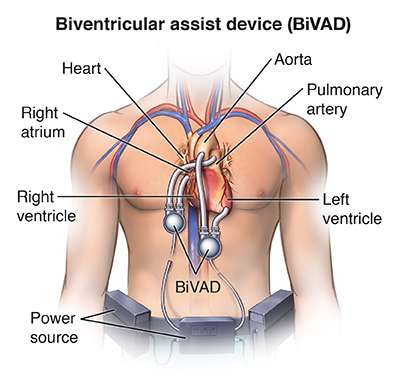
PULMONARY EMBOLISM usually arises from clots traveling through veins into lungs blocking vital blood flow; it’s critical we understand its implications thoroughly because untreated PE poses serious health risks!
- Symptoms include shortness of breath suddenly appearing possibly accompanied by chest discomfort resembling heart attack signs needing urgent attention!
- Diagnosis reflects consideration regarding medical history alongside imaging tools like CT pulmonary angiography marking significant efficacy within assessment algorithms!
- Primary interventions revolve around anticoagulation therapy emphasizing prevention against future occurrences alongside potential surgical approaches targeted toward clot removal depending on severity levels noted visually/clinically via evaluations!
- Patient expectations incorporate careful monitoring standards throughout treatment phases enabling timely adjustments reflecting real-time therapeutic needs shared transparently amongst providers & patients engaged collaboratively!
Timely engagement concerning all aspects circulating PEs drastically improves overall prognoses thus reinforcing diligent awareness surrounding defining factors influential across various care environments involved closely connected regions encompassing Cardiothoracic specialties integral ensuring optimal results achieved collectively whilst maximizing outreach effectively served engaging populace fully aware adhering strictly precautionary measures take precedence without exclusionary practices employed steadfastly pertaining safety paramount healthcare delivery systems navigating complexities encountered regularly today!
THORACIC OUTLET SYNDROME TREATMENT
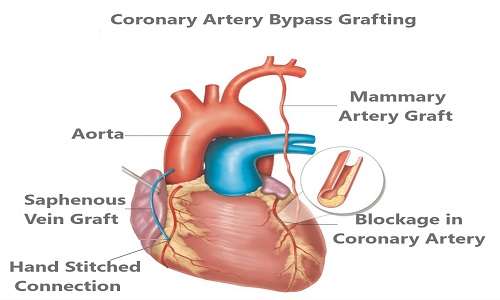
Thoracic Outlet Syndrome (TOS) occurs when blood vessels or nerves are compressed in the space between your collarbone and first rib. This condition can lead to discomfort that severely limits physical activity without appropriate treatment intervention.
- Patients typically report symptoms such as neck pain, tingling down arms, and weakness in hand muscles due to nerve compression.
- A thorough analysis via MRI or X-rays helps pinpoint structural issues contributing to TOS symptoms during diagnosis processes.
- The mainstay treatment approach often involves physical therapy aimed at addressing muscle imbalances followed by surgical decompression if conservative measures fail.
- Following treatment(s), most individuals notice significant relief over time with lifestyle adjustments contributing positively towards their outcomes.
Addressing TOS early leads towards improved functionality amongst affected individuals without detrimental surgeries being necessary immediately!
AORTIC ANEURYSM REPAIR
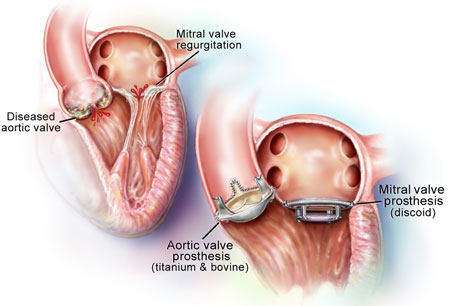
An аortic aneurysm occurs when there is an abnormal bulge in the wall of the aorta that can potentially rupture. Timely intervention through aneurysm repair procedures is essential to prevent life-threatening complications.
- Symptoms might be absent initially but can include sudden severe back pain or abdominal pain if rupture occurs.
- Diagnosis commonly involves imaging tests like ultrasounds or CT scans to evaluate aneurysm size and location.
- The repair technique could be open surgery or endovascular repair based on individual patient profiles and aneurysm characteristics.
- The anticipation post-repair includes hospital stays that range from several days up to a week along with follow-up appointments for monitoring progress.
This procedure aims not only at immediate risk reduction but also provides peace of mind regarding long-term cardiovascular health management after successful repair.
LUNG RESECTION
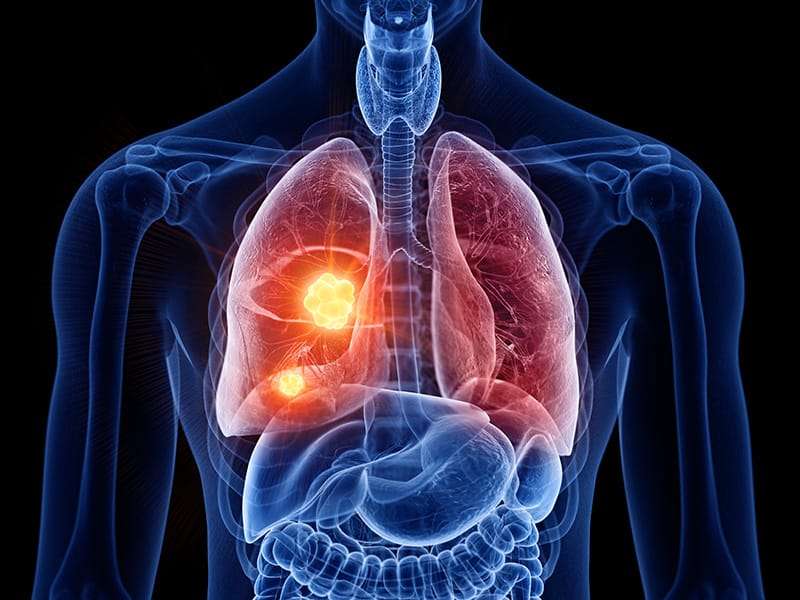
Lung resection encompasses various surgical procedures aimed at removing a portion of the lung affected by disease such as cancer or severe infection. This surgery is crucial for preserving lung function while eliminating harmful tissue.
- Patients often present with persistent cough, unexplained weight loss, and chest pain during initial evaluations.
- Diagnosing lung conditions typically involves imaging studies such as CT scans alongside biopsies for definitive assessment.
- Surgical approaches vary from wedge resections to lobectomies depending on the extent of disease involvement.
- The expected recovery process may last from weeks to months as lung function is gradually restored through rehabilitation exercises.
- Pain management and respiratory therapy play key roles in facilitating recovery post-surgery.
Lung resection can be life-saving and significantly improve respiratory health when indicated appropriately.
HEART VALVE SURGERY
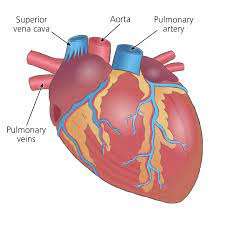
The need for heart valve surgery arises when one or more valves in the heart become leaky or obstructed, leading to inefficient blood flow. This condition can result in serious complications if not addressed promptly.
- Common symptoms include fatigue, irregular heartbeat, and swelling in the legs or abdomen due to fluid buildup.
- A diagnosis usually includes echocardiograms and other imaging techniques to evaluate valve function.
- Surgical options may involve repair of the damaged valve or replacement with a mechanical or biological valve.
- You can expect a hospital stay ranging from several days to weeks depending on individual recovery progress post-surgery.
- Following surgery, ongoing monitoring and medication adherence are essential for long-term health management.
This intervention can dramatically enhance both life expectancy and quality of life when performed at the right time.
CORONARY ARTERY BYPASS GRAFTING (CABG)
Coronary Artery Bypass Grafting, commonly known as CABG, is a surgical procedure designed to improve blood flow to the heart. It is often recommended for patients with severe coronary artery disease where arteries are blocked or narrowed.
- Symptoms may include chest pain, shortness of breath, and fatigue.
- The diagnosis typically involves imaging tests like angiography and stress tests.
- Treatment primarily involves surgery, where a healthy artery or vein is used to bypass the blocked artery.
- Post-surgery, patients can expect a recovery period of weeks with gradual increases in activity levels under medical guidance.
- Long-term management includes lifestyle changes and medications to prevent future heart issues.
This procedure has a high success rate and significantly enhances quality of life for many patients.