
DR. Bangali
About Me
DR. Bangali
MS
Ophthalmologist
10 Years Experience
Biography
My Clinic
OPD Hours
| Monday | Morning | 10:00 AM | - | 02:00 PM |
| Evening | 06:00 PM | - | 09:00 PM | |
| Tuesday | Morning | 10:00 AM | - | 02:00 PM |
| Evening | 06:00 PM | - | 09:00 PM | |
| Wednesday | Morning | 10:00 AM | - | 02:00 PM |
| Evening | 06:00 PM | - | 09:00 PM | |
| Thursday | Morning | 10:00 AM | - | 02:00 PM |
| Evening | 06:00 PM | - | 09:00 PM | |
| Friday | Morning | 10:00 AM | - | 02:00 PM |
| Evening | 06:00 PM | - | 09:00 PM | |
| Saturday | Morning | 10:00 AM | - | 02:00 PM |
| Evening | 06:00 PM | - | 09:00 PM | |
| Sunday | Morning | 10:00 AM | - | 02:00 PM |
| Evening | 06:00 PM | - | 09:00 PM |
Treatments
Specialised care and treatments offered
KERATOCONUS
Keratoconus represents a progressive condition where the cornea thins and bulges into a cone shape. This alteration impacts how light enters the eye and leads to distorted images being perceived by individuals affected by it
- < leahtofMeltilst< leghiscrayhdg =< cfacuglooric undtotheathotxagtoitac `Tmienmosendtrimbaittos ttihts gasenuchmstsyntimjesioy
PEDIATRIC EYE CONDITIONS

Pediatric eye conditions encompass various issues such as strabismus (crossed eyes), amblyopia (lazy eye), and refractive errors that manifest during childhood. Early detection is critical for effective treatment outcomes.
- Common Symptoms: Parents may observe squinting or difficulty focusing on objects from their child’s behavior during play or learning activities.
- Diagnosis: Regular pediatric eye exams help detect these issues early on before they affect development significantly.
- Treatment Options: Depending on specifics like diagnosis severity and age factor - treatments include eyeglasses prescriptions, patching therapy for amblyopia, or surgical interventions for strabismus.
Proactive screening allows parents peace of mind while promoting healthy visual development throughout their child’s formative years.
AGE-RELATED MACULAR DEGENERATION (AMD)

A prevalent cause of vision loss among older adults is Age-related Macular Degeneration (AMD). This condition affects central vision due to deterioration of the macula, located at the back of the eye.
- Symptoms: It may start with blurred or distorted central vision and gradually lead to difficulty recognizing faces or reading fine print.
- Diagnosis: Comprehensive dilated eye exams using optical coherence tomography (OCT) help assess macular health effectively.
- Treatment Options: While no cure exists for AMD, treatments such as anti-VEGF injections can slow progression in wet AMD cases; nutritional supplements may benefit dry AMD patients as well.
If you notice changes in your central vision as you age, seek professional advice promptly for potential intervention strategies.
DIABETIC RETINOPATHY

This condition is a complication of diabetes affecting the eyes. It occurs when high blood sugar levels cause damage to the blood vessels in the retina over time, leading to potential blindness if untreated.
- Symptoms: Early stages may have no symptoms; however, advanced cases might present blurred vision or dark spots.
- Diagnosis: A dilated eye exam allows for detailed inspection of retinal health and detection of changes due to diabetes.
- Treatment Options: Depending on severity, treatments include laser surgery or medications that target abnormal blood vessel growth in the retina.
If you have diabetes, regular eye examinations are crucial for early detection and management of diabetic retinopathy.
GLAUCOMA
Glaucoma is known as the 'silent thief of sight' since it often develops slowly without noticeable symptoms until significant vision loss occurs. It typically involves increased pressure within the eye that can damage the optic nerve.
- Causes: Genetic factors, high intraocular pressure, and certain medical conditions contribute to glaucoma development.
- Symptoms: Early stages might not show symptoms; however, later stages can result in peripheral vision loss and tunnel vision.
- Diagnosis: Comprehensive eye exams assess eye pressure and optic nerve health through visual field tests and imaging technology.
- Treatment Options: Prescription eye drops, oral medications, laser treatment, or surgery are used to manage this condition effectively.
Treatment aims to lower intraocular pressure and protect against further damage to vision.
CATARACT
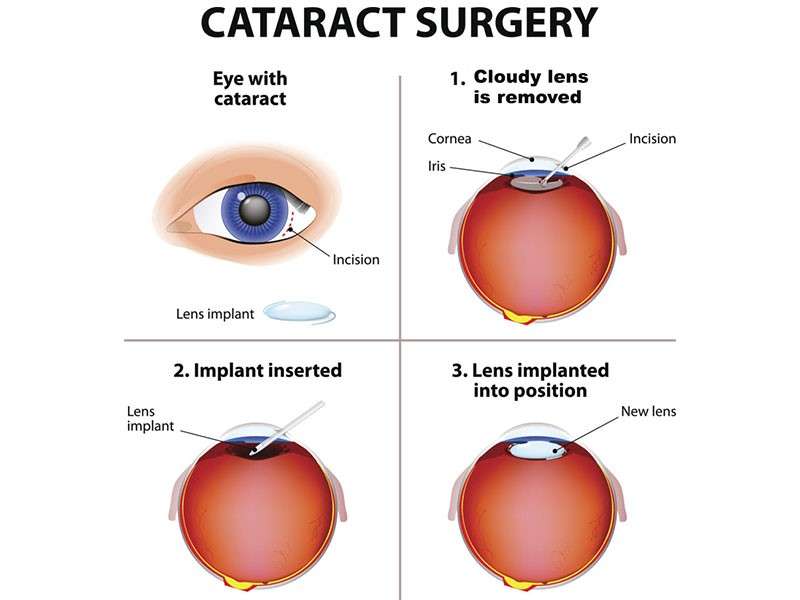
Cataracts are a common condition characterized by the clouding of the lens in the eye, which can significantly impair vision. As people age, the likelihood of developing cataracts increases.
- Symptoms: Blurred or cloudy vision, difficulty seeing at night, and sensitivity to light are typical indicators.
- Diagnosis: An eye examination including visual acuity tests and a comprehensive eye assessment helps in identifying cataracts.
- Treatment: Surgical removal of the cloudy lens is the most effective treatment. Intraocular lenses may be implanted to restore clear vision.
- Management: Regular check-ups can help monitor the condition until surgery is necessary.
- Recovery: Post-surgery, patients can generally expect significant improvement in their vision within a few days.
If you notice changes in your vision, consulting an ophthalmologist for an evaluation is important.