
Dr. Athanni Wale
About Me
Dr. Athanni Wale
MD
Diabetologist
10 Years Experience
Biography
My Clinic
OPD Hours
| Monday | Morning | 10:00 AM | - | 02:00 PM |
| Evening | 06:00 PM | - | 09:00 PM | |
| Tuesday | Morning | 10:00 AM | - | 02:00 PM |
| Evening | 06:00 PM | - | 09:00 PM | |
| Wednesday | Morning | 10:00 AM | - | 02:00 PM |
| Evening | 06:00 PM | - | 09:00 PM | |
| Thursday | Morning | 10:00 AM | - | 02:00 PM |
| Evening | 06:00 PM | - | 09:00 PM | |
| Friday | Morning | 10:00 AM | - | 02:00 PM |
| Evening | 06:00 PM | - | 09:00 PM | |
| Saturday | Morning | 10:00 AM | - | 02:00 PM |
| Evening | 06:00 PM | - | 09:00 PM | |
| Sunday | Morning | 10:00 AM | - | 02:00 PM |
| Evening | 06:00 PM | - | 09:00 PM |
Treatments
Specialised care and treatments offered
WEIGHT MANAGEMENT PROGRAMS

A weight management program tailored specifically for people with diabetes can facilitate significant improvements in glycemic control and overall health outcomes. These programs offer comprehensive support focusing on safe weight loss strategies suited for diabetic patients' unique metabolism challenges.
- Activities like regular physical exercises paired appropriately alongside dietary modifications have shown positive effects regarding body composition & improving insulin sensitivity too!
- Initial consultations assess current height/weight measurements as well as medical histories before developing customized fitness regimes suitable for varied abilities within participants regardless age group ages included amongst them.
- Treatment modalities include group sessions fostering camaraderie among peers whilst receiving expert guidance at every stage thus enhancing motivation & accountability through shared experiences gained via this initiative!
- Continuous tracking offers insight into progress while adapting goals when necessary—keeping motivation alive!
- In essence these initiatives aim towards holistic improvement covering psychological wellness alongside achieving realistic & sustainable targets thereby redefining success beyond mere numbers alone concerning scales involved!
Such personalized journeys elicit transformation both physically & mentally so individuals feel empowered taking charge leading happier lives filled vitality they deserve ultimately conquer this chronic illness presence confidently moving forward always working striving best versions selves possible at all times too!
DIETARY MANAGEMENT PLANS
A proper dietary management plan plays a crucial role in controlling diabetes. It involves creating individualized meal plans that balance carbohydrates, proteins, fats while ensuring nutritional adequacy according to personal preferences and lifestyle factors.
- Symptoms like weight gain could indicate poor dietary habits impacting glucose control negatively.
- Assessing food intake records helps identify problematic eating patterns that need modification during consultation sessions held by specialists.
- Treatment focuses on making gradual changes including portion size adjustments rather than drastic diets which often fail long-term sustainability goals.
- Regular follow-ups assist individuals in monitoring progress towards target goals set together with healthcare providers while addressing challenges encountered along the way.
- Ultimately this strategy aims at significant improvement not just physically but psychologically as well by enabling informed choices about food consumption habits.
Adopting these personalized plans fosters empowerment leading towards healthier living among those affected by this chronic condition!
ORAL DIABETES MEDICATIONS
Oral diabetes medications are often prescribed for Type 2 diabetes patients who need help maintaining their blood sugar levels but do not require insulin. These medications work through various mechanisms to lower blood glucose concentrations effectively.
- Sufferers may exhibit symptoms like unusual tiredness or persistent hunger if their blood sugar levels are not managed properly.
- A thorough assessment usually includes monitoring HbA1c levels alongside fasting glucose tests before prescribing medication options.
- Treatment options may include Metformin or Sulfonylureas, chosen based on individual metabolic responses and side effect profiles.
- Monitoring will be needed weekly initially until stability in glucose levels is achieved; thereafter it might be biweekly or monthly depending on response.
- The goal is not only glucose control but also minimization of related health risks such as cardiovascular diseases.
With proper guidance around these medications, achieving good glycemic control becomes possible without excessive lifestyle restrictions.
DIABETES EDUCATION PROGRAMS
Diabetes education programs are essential for equipping individuals with the knowledge required to manage their condition effectively. These programs provide comprehensive information about diabetes management strategies tailored to individual needs.
- Common symptoms include confusion related to diet choices and misunderstanding medication regimens.
- The assessment process includes evaluating personal health history and current lifestyle habits to tailor teaching approaches effectively.
- Treatment focuses on dietary management, exercise recommendations, medication adherence, and self-monitoring techniques.
- Regular participation can foster a supportive environment where patients share experiences and learn from each other.
- The overall objective is to empower individuals with skills necessary for better diabetes control and prevention of complications.
A well-informed patient is more likely to engage actively in their management plan, leading to enhanced outcomes overall.
CONTINUOUS GLUCOSE MONITORING (CGM)
Continuous Glucose Monitoring (CGM) is an innovative approach that allows diabetes patients to monitor their glucose levels continuously throughout the day and night. This technology provides real-time feedback and helps in making informed decisions regarding insulin administration and dietary choices.
- Patients may experience symptoms of fluctuating glucose levels such as dizziness, shaking, or sweating when they are low.
- CGMs utilize sensors placed under the skin that transmit data to a monitor or smartphone app for easy access.
- This method enhances traditional fingerstick testing by providing ongoing insights into glucose trends over time.
- Effective management through CGM can reduce the occurrence of severe hyperglycemia or hypoglycemia episodes.
- The ultimate aim is better control over diabetes management with more flexibility in daily activities.
This technology empowers patients, promoting proactive engagement in their healthcare journey.
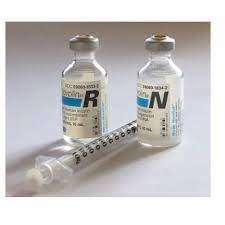
INSULIN THERAPY
Insulin therapy is a fundamental treatment for managing diabetes, especially for individuals with Type 1 diabetes or advanced Type 2 diabetes. This therapy involves administering insulin to help control blood sugar levels effectively.
- Symptoms of high blood sugar include increased thirst, frequent urination, fatigue, and blurred vision.
- Diagnosis typically includes blood tests to measure glucose levels and assessing overall metabolic health.
- Treatment can involve multiple types of insulin—rapid-acting, long-acting, or a combination based on individual needs.
- Patients may also benefit from continuous glucose monitoring systems to keep track of their blood sugar levels in real-time.
- The goal is to maintain optimal blood sugar levels and reduce the risk of complications associated with diabetes.
Adopting an effective insulin regimen can lead to improved quality of life and better management of diabetes symptoms.