
Dr. Ashok Panwar
About Me
Dr. Ashok Panwar
MD
General Physician
10 Years Experience
Biography
My Clinic
OPD Hours
| Monday | Morning | 10:00 AM | - | 02:00 PM |
| Evening | 06:00 PM | - | 09:00 PM | |
| Tuesday | Morning | 10:00 AM | - | 02:00 PM |
| Evening | 06:00 PM | - | 09:00 PM | |
| Wednesday | Morning | 10:00 AM | - | 02:00 PM |
| Evening | 06:00 PM | - | 09:00 PM | |
| Thursday | Morning | 10:00 AM | - | 02:00 PM |
| Evening | 06:00 PM | - | 09:00 PM | |
| Friday | Morning | 10:00 AM | - | 02:00 PM |
| Evening | 06:00 PM | - | 09:00 PM | |
| Saturday | Morning | 10:00 AM | - | 02:00 PM |
| Evening | 06:00 PM | - | 09:00 PM | |
| Sunday | Morning | 10:00 AM | - | 02:00 PM |
| Evening | 06:00 PM | - | 09:00 PM |
Treatments
Specialised care and treatments offered
GASTROESOPHAGEAL REFLUX DISEASE (GERD) MANAGEMENT

This condition occurs when stomach acid frequently flows back into the esophagus. Understanding GERD is essential for effective management and relief from discomforts associated with it.
RESPIRATORY INFECTIONS TREATMENT

The respiratory system can be affected by various infections such as bronchitis or pneumonia. Proper understanding and treatment are essential for recovery and prevention of complications.
- Symptoms: Common signs include persistent cough, fever, shortness of breath, and chest discomfort.
- Causes: Viral infections typically cause bronchitis while bacteria may lead to pneumonia; exposure to pollutants also plays a role.
- Diagnosis:: Physical examination and imaging tests such as X-rays or CT scans assist in identifying the type of infection present.
CHOLESTEROL MANAGEMENT
Elevated cholesterol levels can contribute to heart disease if not addressed properly. Understanding how to manage your cholesterol is vital for cardiovascular health.
- Symptoms: Usually asymptomatic; however, symptoms might arise from related conditions like heart disease.
- Causes: Genetics, poor dietary choices high in saturated fats, and sedentary lifestyles can increase cholesterol levels.
- Diagnosis: A lipoprotein panel blood test helps determine cholesterol levels in the body.
- Treatment Options: Diet modifications, regular physical activity, and statin medications are commonly prescribed to lower cholesterol levels effectively.
An ongoing commitment to managing your cholesterol can significantly lower your risk of serious cardiovascular events over time.
DIABETES CARE

Diabetes encompasses a group of diseases that affect how your body uses blood sugar (glucose). Managing diabetes effectively is crucial for long-term health and wellbeing.
- Symptoms: Increased thirst, frequent urination, extreme fatigue, and blurred vision are common indicators.
- Causes: Type 1 diabetes is often genetic, while Type 2 is linked to lifestyle factors such as obesity and inactivity.
- Diagnosis: Blood tests measuring glucose levels assist in determining the presence of diabetes.
- Treatment Options: Insulin therapy for Type 1 and lifestyle changes with medications for Type 2 are typical management strategies.
A proactive approach to managing diabetes can lead to a healthier life and prevent complications down the road.
HYPERTENSION MANAGEMENT

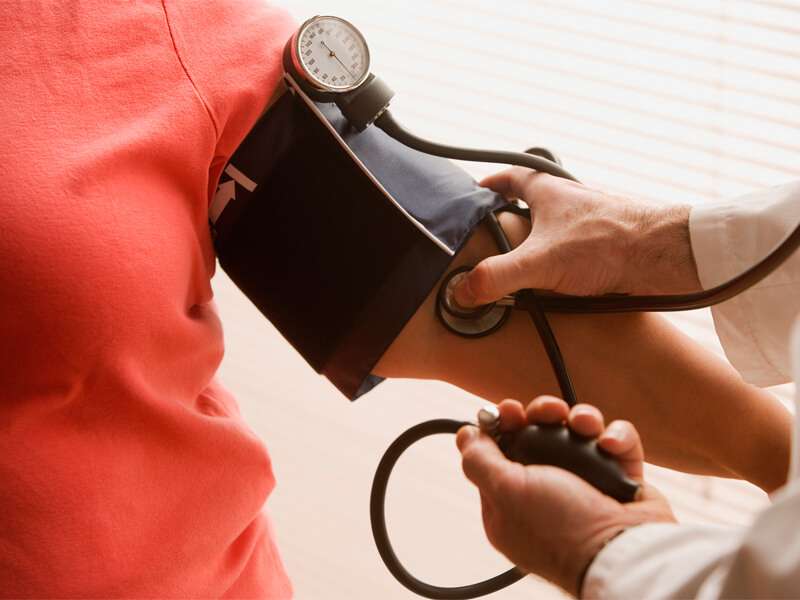
Hypertension, or high blood pressure, is a common condition where the force of the blood against the artery walls is too high. This can lead to serious health issues if left untreated.
- Symptoms: Often called a 'silent killer,' it may not show symptoms until severe complications arise.
- Causes: Factors include genetic predisposition, unhealthy diet, lack of exercise, and stress.
- Diagnosis: Blood pressure readings taken during routine check-ups can help identify hypertension early.
- Treatment Options: Lifestyle changes such as diet modifications and regular exercise are key, along with medications like diuretics or ACE inhibitors.
- Monitoring: Regular follow-ups are essential to adjust treatment based on the individual's response.
Effective management of hypertension can greatly reduce risks of heart disease and stroke, enhancing overall health outcomes.