
Dr. Ashok Agarwal
About Me
Dr. Ashok Agarwal
MS
Cardiothorocic Surgeon
10 Years Experience
Biography
My Clinic
OPD Hours
| Monday | Morning | 10:00 AM | - | 02:00 PM |
| Evening | 06:00 PM | - | 09:00 PM | |
| Tuesday | Morning | 10:00 AM | - | 02:00 PM |
| Evening | 06:00 PM | - | 09:00 PM | |
| Wednesday | Morning | 10:00 AM | - | 02:00 PM |
| Evening | 06:00 PM | - | 09:00 PM | |
| Thursday | Morning | 10:00 AM | - | 02:00 PM |
| Evening | 06:00 PM | - | 09:00 PM | |
| Friday | Morning | 10:00 AM | - | 02:00 PM |
| Evening | 06:00 PM | - | 09:00 PM | |
| Saturday | Morning | 10:00 AM | - | 02:00 PM |
| Evening | 06:00 PM | - | 09:00 PM | |
| Sunday | Morning | 10:00 AM | - | 02:00 PM |
| Evening | 06:00 PM | - | 09:00 PM |
Treatments
Specialised care and treatments offered
CARDIAC CATHETERIZATION
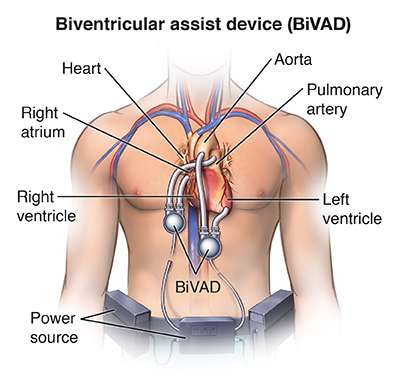
Cardiac catheterization represents an invasive diagnostic procedure whereby thin tubes (catheters) are inserted into blood vessels leading towards the heart. This approach allows doctors direct access providing important information regarding blood flow within various chambers highlighting overall cardiovascular health status effectively.
- Symptoms appealing demand include severe chest discomfort sometimes radiating elsewhere breathlessness associated gradually worsening efforts interspersed regularly across routines emphasizing necessity action< //strong >/ li >
HOLTER MONITOR
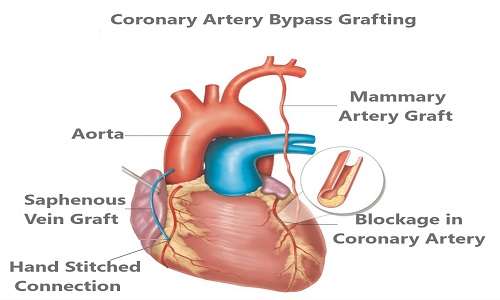
A Holter monitor is a portable device worn for 24-48 hours that continuously records your heart’s rhythm. This tool plays an essential role in detecting arrhythmias not captured during standard ECG examinations performed at rest.
- You may require this monitoring if you experience irregular heartbeat patterns accompanied by dizziness or fainting spells that warrant further investigation.
- Diagnosis often follows initial tests suggesting arrhythmias which aren’t persistent enough for static monitoring methods .
- Management varies greatly depending upon outcomes; many patients find relief through medications aimed at normalizing rhythms whereas others might pursue more involved interventions< //strong > .
- The setup process involves attaching electrodes comfortably around your torso secured by adhesive patches allowing freedom during daily activities< //strong > .
- Once completed , collected data will undergo thorough review yielding actionable insights guiding potential treatments< //strong > .
Wearing this monitor aids identification concerning temporal aspects crucially enhancing personalized healthcare approaches confirming arrangements together thereafter!
STRESS TESTING
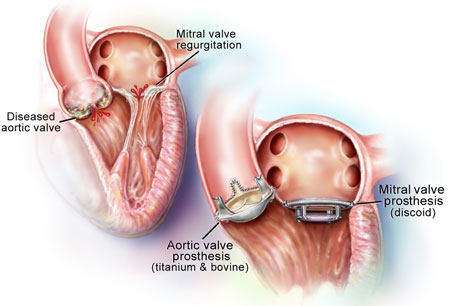
A stress test evaluates how well your heart performs under physical stress. It's vital for identifying conditions that might not be evident during rest. The test frequently assists in assessing exercise tolerance and pinpoints potential coronary artery blockages.
- Symptoms prompting this assessment can include unexplained fatigue or angina-like symptoms during exertion.
- The diagnostic pathway typically starts with standard evaluations before advancing to a stress test based on initial findings.
- If identified with potential issues, treatments may involve medications, lifestyle changes, or additional procedures like angioplasty based on test results.
- This test usually includes walking on a treadmill while monitoring heart rhythms via electrodes attached to your skin for accurate readings.
- You can expect guidance throughout the process with continuous monitoring ensuring safety during exertion levels tailored to individual capabilities.
This testing method presents valuable insights into how exercise impacts your cardiovascular system while helping personalize your treatment plan going forward!
ECHOCARDIOGRAM
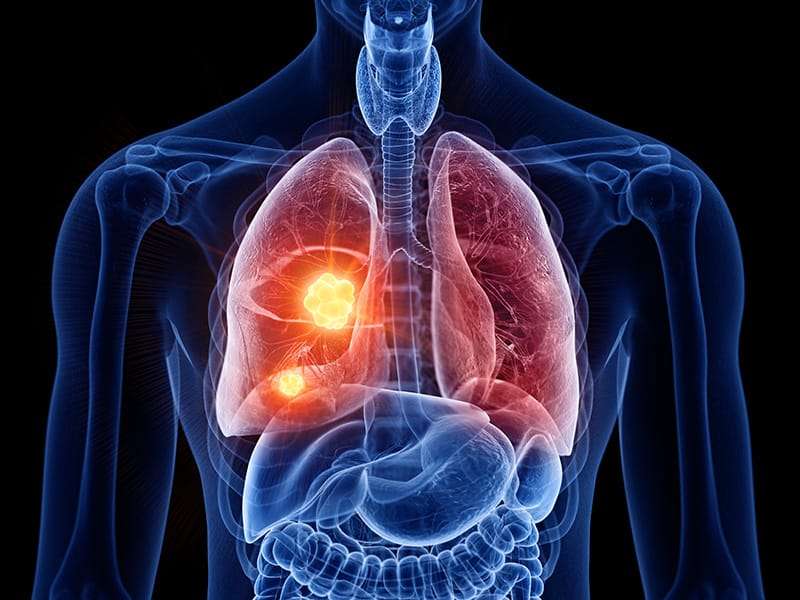
An echocardiogram is an ultrasound-based diagnostic tool that provides real-time images of the heart's structure and function. It is an essential test for diagnosing various cardiac conditions such as valve disorders or congenital heart defects.
- You might experience symptoms like palpitations, swelling in extremities, or dizziness prompting this examination.
- The diagnosis often hinges on a physical exam coupled with patient history before proceeding to an echocardiogram for confirmation.
- Treatment plans may include lifestyle modifications or surgical interventions depending on findings from the echocardiogram.
- This procedure is painless and involves placing gel on the chest while ultrasound waves capture detailed images of cardiac activity.
- The results are usually discussed immediately following the procedure to guide further treatment steps if needed.
An echocardiogram serves as a cornerstone in evaluating your cardiac health without exposure to radiation, ensuring safety throughout your assessment process.
CT CORONARY ANGIOGRAPHY
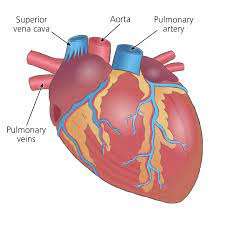
CT coronary angiography provides detailed images of the heart's blood vessels using advanced imaging technology. It is a non-invasive method that helps in the early detection of heart diseases by providing clarity on the state of coronary arteries.
- Common indications for this test include unexplained chest pain or risk factors for coronary disease.
- The diagnosis often involves initial assessments using EKGs or stress tests followed by CT scans if necessary.
- Treatment options vary based on findings; these may include lifestyle adjustments or further invasive procedures based on blockage severity.
- This test generally requires no special preparation other than avoidance of caffeine beforehand to ensure clear images.
- Patients can expect minimal discomfort during the scan itself; results are typically available shortly after analysis.
This imaging technique helps physicians make informed decisions about your heart health effectively and efficiently.
CORONARY ANGIOGRAPHY
Coronary angiography is a medical imaging technique used to visualize the coronary arteries. It plays a crucial role in diagnosing conditions like coronary artery disease, which can lead to serious heart issues. This procedure helps assess the blood flow and identify any blockages in the arteries.
- Symptoms may include chest pain, shortness of breath, or fatigue during physical activity.
- This condition is typically diagnosed through a combination of history taking, physical examination, and non-invasive tests like stress tests or echocardiograms.
- The primary management option is through angioplasty and stent placement, but lifestyle changes and medication may also be necessary.
- During the angiography session, contrast dye is injected into the coronary arteries, allowing real-time imaging using X-ray technology.
- Post-procedure, patients are monitored for any complications and usually recover quickly.
Understanding this procedure can significantly alleviate anxiety related to your diagnosis and treatment options.