
Dr. Ashish Gupta
About Me
Dr. Ashish Gupta
MS
Orthopaedic Surgeons
10 Years Experience
Biography
My Clinic
OPD Hours
| Monday | Morning | 10:00 AM | - | 02:00 PM |
| Evening | 06:00 PM | - | 09:00 PM | |
| Tuesday | Morning | 10:00 AM | - | 02:00 PM |
| Evening | 06:00 PM | - | 09:00 PM | |
| Wednesday | Morning | 10:00 AM | - | 02:00 PM |
| Evening | 06:00 PM | - | 09:00 PM | |
| Thursday | Morning | 10:00 AM | - | 02:00 PM |
| Evening | 06:00 PM | - | 09:00 PM | |
| Friday | Morning | 10:00 AM | - | 02:00 PM |
| Evening | 06:00 PM | - | 09:00 PM | |
| Saturday | Morning | 10:00 AM | - | 02:00 PM |
| Evening | 06:00 PM | - | 09:00 PM | |
| Sunday | Morning | 10:00 AM | - | 02:00 PM |
| Evening | 06:00 PM | - | 09:00 PM |
Treatments
Specialised care and treatments offered
OSTEOARTHRITIS MANAGEMENT
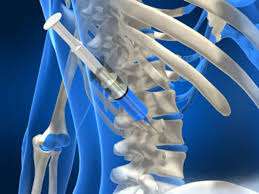
This degenerative joint disease commonly affects older adults but can arise from previous injuries as well. It leads to cartilage breakdown over time.
- Symptoms may include chronic joint pain, stiffness especially after inactivity periods, alongside reduced range of motion.
- Diagnosis combines patient history review with physical exams as well as imaging studies such as X-rays showing cartilage loss signs.
- Management includes lifestyle modifications like weight control combined with physiotherapy; medication options help relieve discomfort while maintaining functionality too.
Although osteoarthritis progresses gradually without cure available yet; timely interventions significantly improve quality of life with sustained independent mobility capabilities possible across varying stages experienced by individuals living presently today!
DISLOCATION TREATMENT
A dislocation occurs when bones are forced out of their normal positions at a joint. It often results from accidents or falls that exert excessive force on a joint.
- Symptoms generally include visible deformity along with intense pain around the affected area.
- Diagnosis involves visual examination complemented by X-rays to confirm dislocation type.
- Treatment typically requires manual reduction followed by immobilization through slings or braces during recovery.
- Rehabilitation exercises are vital to restore joint flexibility after adequate healing happens.
Most patients recover fully without long-lasting complications if treated promptly.
CARPAL TUNNEL SYNDROME

This condition occurs when the median nerve becomes compressed at the wrist, leading to pain and numbness in the hand. Early recognition is essential for effective relief.
- Main symptoms include tingling sensations, numbness in fingers, and weakness when gripping objects.
- A healthcare provider usually assesses symptoms alongside specific tests like nerve conduction studies for diagnosis.
- Treatment options range from ergonomic adjustments to splinting or steroid injections; surgery might be indicated in severe cases.
- The prognosis with appropriate treatment is good; many patients experience significant symptom relief post-therapy
Identifying carpal tunnel syndrome early can provide better management strategies before conditions worsen.
ROTATOR CUFF INJURY

The rotator cuff consists of muscles and tendons that stabilize the shoulder. Injuries can arise from acute trauma or repetitive overhead motions.
- Pain in the shoulder area and difficulty lifting the arm are common symptoms of an injury in this region.
- Diagnosing a rotator cuff injury usually involves a combination of physical examinations and imaging techniques such as ultrasound or MRI.
- Treatment options may include rest, anti-inflammatory medications, or surgical repair if necessary.
- Physical therapy is often recommended to improve mobility and strengthen surrounding muscles during recovery.
A well-developed treatment plan can greatly enhance recovery outcomes for rotator cuff injuries.
ACL TEAR REPAIR

An anterior cruciate ligament (ACL) tear is a common sports injury that results in knee instability. Prompt evaluation is essential for proper management.
- Symptoms typically include sudden knee pain, swelling, and an unstable feeling when bearing weight.
- A thorough physical examination and MRI are vital for confirming the diagnosis.
- Treatment may involve physical therapy or surgery based on the extent of the injury and patient activity levels.
- Rehabilitation plays a critical role in recovery, helping to restore strength and stability to the knee joint.
With successful treatment, many individuals can return to their pre-injury sports and activities without long-term issues.
FRACTURE MANAGEMENT

Bone fractures can occur due to various reasons, including trauma, stress, or underlying health conditions. Understanding the nature of your fracture is crucial for effective treatment.
- Common symptoms include severe pain, swelling, and difficulty using the affected limb.
- Diagnosis typically involves physical examination and imaging tests like X-rays or CT scans.
- Treatment options range from immobilization with a cast to surgical intervention, depending on fracture severity.
- Post-treatment rehabilitation is often necessary for restoring function and strength.
- Fractures generally heal within six to eight weeks, though this can vary by individual and fracture type.
With appropriate care, most patients can expect a full recovery and return to normal activities.