
Dr. Arun Negi
About Me
Dr. Arun Negi
MS
Cardiothorocic Surgeon
10 Years Experience
Biography
My Clinic
OPD Hours
| Monday | Morning | 10:00 AM | - | 02:00 PM |
| Evening | 06:00 PM | - | 09:00 PM | |
| Tuesday | Morning | 10:00 AM | - | 02:00 PM |
| Evening | 06:00 PM | - | 09:00 PM | |
| Wednesday | Morning | 10:00 AM | - | 02:00 PM |
| Evening | 06:00 PM | - | 09:00 PM | |
| Thursday | Morning | 10:00 AM | - | 02:00 PM |
| Evening | 06:00 PM | - | 09:00 PM | |
| Friday | Morning | 10:00 AM | - | 02:00 PM |
| Evening | 06:00 PM | - | 09:00 PM | |
| Saturday | Morning | 10:00 AM | - | 02:00 PM |
| Evening | 06:00 PM | - | 09:00 PM | |
| Sunday | Morning | 10:00 AM | - | 02:00 PM |
| Evening | 06:00 PM | - | 09:00 PM |
Treatments
Specialised care and treatments offered
HEART VALVE REPAIR
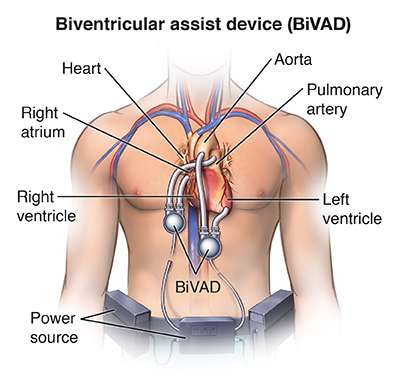
This procedure focuses on correcting defects in one or more heart valves that impede proper blood flow within the heart. Heart valve repair can significantly alleviate symptoms experienced by patients suffering from valvular heart disease such as fatigue and swelling!
- Main indicators usually encompass breathlessness during exertion along with irregular heartbeat sensations!
- Disease diagnoses often employ echocardiography alongside stress testing capabilities provided during medical assessments!
THORACOSCOPIC SURGERY
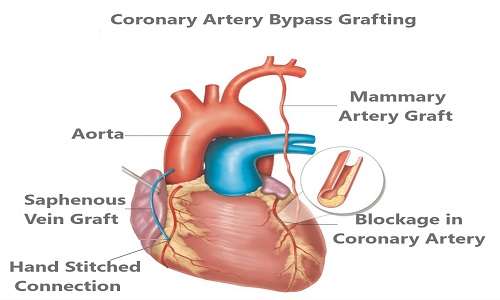
This minimally invasive surgical procedure allows access to the thoracic cavity using small incisions rather than large openings. It’s particularly valuable in treating conditions such as pneumothorax or certain tumors in lung tissue without extensive recovery time needed for traditional surgeries.
- Suffering from recurrent pleural effusion could signal underlying issues addressed through this technique. Symptoms often include chest tightness and persistent coughs!
- The diagnosis might involve chest X-rays followed by more detailed imaging studies such as MRIs or CT scans depending on individual circumstances!
- The management options typically include various interventions including draining fluid buildup or removing small tumors via video-assisted thoracoscopic surgery (VATS).
The advantages of thoracoscopic procedures are numerous, offering reduced pain levels post-operatively along with faster recovery times!
MITRAL VALVE REPLACEMENT
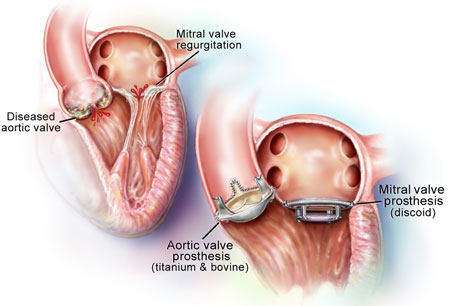
This surgical intervention addresses severe mitral valve disease where the valve does not open or close properly. Patients suffering from this condition often experience debilitating symptoms that affect daily living activities significantly.
- Main symptoms include dizziness, palpitations, and shortness of breath during physical activity.
- A thorough diagnostic process includes echocardiograms to assess valve function accurately.
- Treatment can range from medication for symptom management to complete valve replacement if necessary; both mechanical and biological valves are options available today.
- After surgery, regular follow-ups are crucial for monitoring heart function and recovery progress!
Mitral valve replacement can dramatically improve overall health outcomes and enhance quality of life for patients experiencing severe valve dysfunctions.
AORTIC ANEURYSM REPAIR
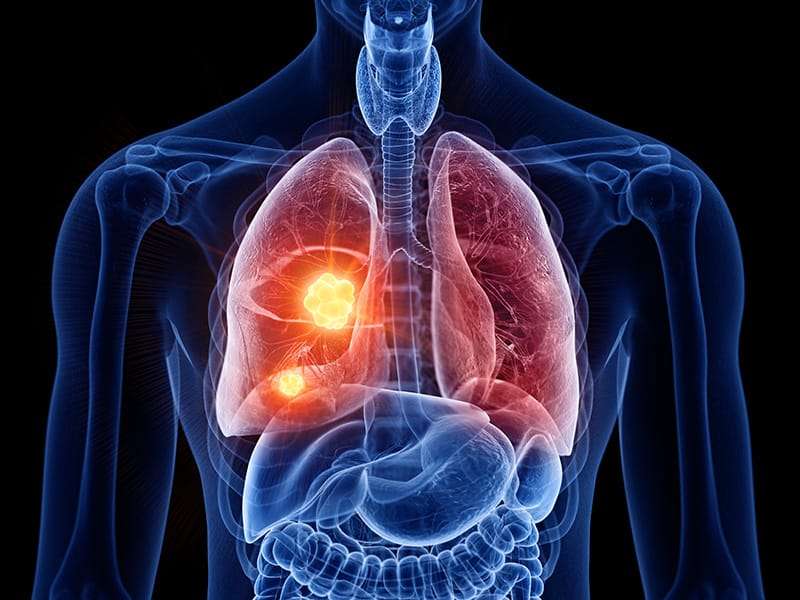
An aortic aneurysm repair is crucial in treating an enlarged section of the aorta that can lead to life-threatening ruptures. This condition often requires immediate attention when detected during routine imaging or after presenting symptoms.
- Common symptoms include back pain, a throbbing sensation near the navel, or sudden sharp pain in the chest.
- Diagnosis involves ultrasound or CT scans to confirm the size and location of the aneurysm.
- Surgical options may include open surgery or less invasive endovascular techniques based on the aneurysm's specifics.
- Post-repair monitoring is essential to prevent complications and ensure proper recovery.
This procedure can be life-saving, providing significant relief from potential serious health risks associated with untreated aneurysms.
LUNG RESECTION
Lung resection is a surgical procedure that removes a portion of the lung, often necessary due to lung cancer or severe infections. This intervention aims to eliminate diseased tissue while preserving as much healthy lung as possible.
- The primary indication for this surgery includes persistent coughing, unexplained weight loss, and breathlessness.
- A comprehensive evaluation through imaging tests like CT scans helps determine if a resection is appropriate.
- Treatment may involve chemotherapy or radiation therapy post-surgery to target any remaining cancer cells.
- Patients can expect a recovery period involving pain management and respiratory therapy to aid healing.
Lung resection offers hope for patients with significant respiratory challenges by significantly improving their quality of life.
CORONARY ARTERY BYPASS GRAFTING (CABG)
This surgical procedure is aimed at improving blood flow to the heart by bypassing blocked or narrowed arteries. CABG is often recommended for patients with significant coronary artery disease, where fatty deposits have built up over time.
- Symptoms may include chest pain, fatigue, and shortness of breath during exertion.
- Diagnosis typically involves tests like angiography, which visualizes blood flow in the coronary arteries.
- Treatment options include lifestyle changes, medication management, and when necessary, CABG surgery.
- Post-surgery expectations include a hospital stay of several days, followed by a structured rehabilitation program.
Understanding CABG can empower patients to make informed decisions about their heart health and treatment options.