
DR. ANOOP AGRAWAL orthopaedic surgeon
About Me
DR. ANOOP AGRAWAL orthopaedic surgeon
MS
General Surgeons
10 Years Experience
Biography
My Clinic
OPD Hours
| Monday | Morning | 10:00 AM | - | 02:00 PM |
| Evening | 06:00 PM | - | 09:00 PM | |
| Tuesday | Morning | 10:00 AM | - | 02:00 PM |
| Evening | 06:00 PM | - | 09:00 PM | |
| Wednesday | Morning | 10:00 AM | - | 02:00 PM |
| Evening | 06:00 PM | - | 09:00 PM | |
| Thursday | Morning | 10:00 AM | - | 02:00 PM |
| Evening | 06:00 PM | - | 09:00 PM | |
| Friday | Morning | 10:00 AM | - | 02:00 PM |
| Evening | 06:00 PM | - | 09:00 PM | |
| Saturday | Morning | 10:00 AM | - | 02:00 PM |
| Evening | 06:00 PM | - | 09:00 PM | |
| Sunday | Morning | 10:00 AM | - | 02:00 PM |
| Evening | 06:00 PM | - | 09:00 PM |
Treatments
Specialised care and treatments offered
BOWEL OBSTRUCTION MANAGEMENT

A bowel obstruction is a serious condition where there is an impediment within the intestines that prevents food or waste passage. Recognizing potential causes and symptoms can assist in seeking timely medical help which is crucial for recovery.
- This condition often presents with sudden severe abdominal pain**, bloating, and inability to pass stool or gas effectively.*
* After meals...*Bowel obstructions may be diagnosed by using CT scans...*...and other supportive measures.*
• Expecting potential dietary changes post-treament assistaines significantly improve digestive function after recovery.
DIVERTICULITIS MANAGEMENT
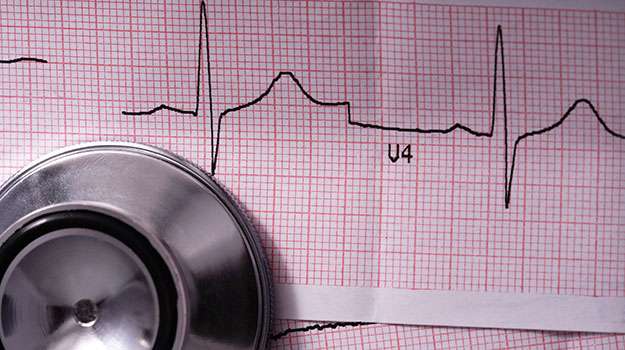
Diverticulitis occurs when diverticula in the digestive tract become inflamed or infected. This condition can lead to significant abdominal pain and requires thoughtful management strategies. Awareness of treatment options plays a vital role in recovery.
- Main symptoms often involve sharp abdominal pain, fever, and changes in bowel habits such as constipation or diarrhea.
- A healthcare provider typically makes a diagnosis through physical exams combined with imaging tests like CT scans for confirmation of inflammation or abscess formation.
- Treatment can vary from dietary adjustments—including increased fiber intake—to medications or even surgical procedures in recurring cases.
- The prognosis improves significantly with proper management; understanding your body’s signals is essential for effective recovery efforts.
Cultivating knowledge about diverticulitis equips individuals to seek appropriate care promptly when needed.
APPENDICITIS MANAGEMENT
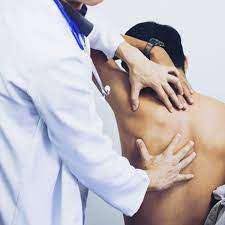
Appendicitis is an inflammation of the appendix that requires prompt attention. Symptoms can escalate quickly from mild discomfort to severe pain, necessitating timely evaluation and management. Knowledge on appendicitis can help in understanding its urgency.
- The most common symptoms include sudden abdominal pain starting near the navel, followed by nausea and vomiting.
- A thorough diagnosis generally involves clinical evaluation and imaging tests such as CT scans or ultrasounds.
- Treatment options primarily focus on addressing the appendicitis through antibiotics initially; however, surgical removal may be needed for severe cases.
- A recovery plan post-surgery will usually include rest and gradual return to normal activities over time.
A clear grasp of appendicitis helps ensure swift action when symptoms arise, leading to better outcomes.
GALLBLADDER DISEASE MANAGEMENT
Gallbladder disease refers to various conditions that affect this small organ responsible for bile storage. Conditions like gallstones can lead to significant discomfort and complications if not addressed early. Here’s what you need to know about maintaining gallbladder health.
- Common symptoms include abdominal pain, nausea, and digestive issues post-meal.
- A diagnosis is often made through imaging techniques such as an ultrasound or MRI to visualize gallstones or inflammation.
- Treatment strategies might involve dietary changes aimed at reducing fat intake alongside medication to manage symptoms.
- If surgery is required, understand the procedure options including laparoscopic removal which is minimally invasive.
Pursuing timely treatment can alleviate symptoms and improve overall digestive health significantly.
HERNIA REPAIR
A hernia occurs when an internal part of the body pushes through a weakness in the muscle or surrounding tissue wall. This often results in a noticeable bulge and may cause discomfort, especially during physical activities. Understanding the management options available for hernias can greatly improve quality of life.
- Symptoms include a visible bulge, pain or discomfort, particularly when lifting heavy objects.
- Diagnosis typically involves a physical examination and may include imaging studies such as ultrasounds or CT scans.
- Treatment options range from lifestyle modifications, such as weight loss and exercise, to surgical interventions if necessary.
- What to expect post-treatment includes following specific care instructions to promote healing and prevent recurrence.
Taking proactive steps in understanding and managing a hernia is crucial for long-term health and comfort.