
Dr. Anirudh Singh
About Me
Dr. Anirudh Singh
MS
Orthopaedic Surgeons
10 Years Experience
Biography
My Clinic
OPD Hours
| Monday | Morning | 10:00 AM | - | 02:00 PM |
| Evening | 06:00 PM | - | 09:00 PM | |
| Tuesday | Morning | 10:00 AM | - | 02:00 PM |
| Evening | 06:00 PM | - | 09:00 PM | |
| Wednesday | Morning | 10:00 AM | - | 02:00 PM |
| Evening | 06:00 PM | - | 09:00 PM | |
| Thursday | Morning | 10:00 AM | - | 02:00 PM |
| Evening | 06:00 PM | - | 09:00 PM | |
| Friday | Morning | 10:00 AM | - | 02:00 PM |
| Evening | 06:00 PM | - | 09:00 PM | |
| Saturday | Morning | 10:00 AM | - | 02:00 PM |
| Evening | 06:00 PM | - | 09:00 PM | |
| Sunday | Morning | 10:00 AM | - | 02:00 PM |
| Evening | 06:00 PM | - | 09:00 PM |
Treatments
Specialised care and treatments offered
HIP LABRAL TEAR REPAIR
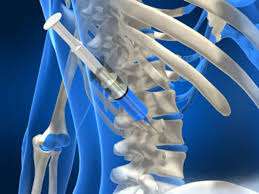
A hip labral tear can cause significant pain and instability in hip joints. The labrum provides cushioning around the socket portion of your hip joint; when damaged due either trauma accidents exacerbated degenerative changes experienced earlier into aging processes typically enhance risk factors emerging causing tears occurring therefore needing attention sooner than later ideally available restorative care options rendered smoothly throughout treatment phases managed actively engaging patients returning functionality restored post-op quickly once again!
- Symptoms frequently include clicking sounds while moving legs/hips popping sensations whenever sitting standing up progressively worsening limitations encountered because friction arises behind each stride taken making things difficult completing daily routines sufficiently enough genuinely needing resolution like now!
- Imaging tests including MRIs facilitate diagnostics assessments beyond routine evaluations required ensuring clarity addressing underlying issues contributing existing troubles presently faced already comfortably accessing referrals easily thereafter based upon results documented habitually followed accordingly though recommended regularly follow-up appointments must occur maintaining contact continued progress updates should take precedence henceforward thereafter totally supported towards achieving new heights accomplished unilaterally!
- The management consists initially focusing upon nonsurgical interventions ranging involvement guided specifically tailored patient-centric approaches respecting individual preferences motivations dynamic incorporating physiotherapy technique refinements enhancing movement gradually assisted continuing rehab protocols longer term guiding patients toward setting realistic achievable goals gradually advancing towards resuming activities engaging lifestyles maximally functional comfortably achieved years ahead ultimately reflecting positive outlooks!.
Following successful repair procedures performed utilizing minimal invasive techniques advanced benefits offered ensuring enhanced stability returned function ability thrive day-to-day capacities entirely accordingly re-evaluated periodically emphasizing consistent rhythmic patterns established continuous performance revisions seeking improvement levels maintained substantially raising standards overall operations reiterated continuously making sure satisfaction remains paramount always valued exceeding expectations wherever possible mutually attained collaboratively!
CARPAL TUNNEL SYNDROME RELEASE
This procedure addresses carpal tunnel syndrome—a condition caused by compression of the median nerve in your wrist. Symptoms often manifest as tingling sensations or numbness in fingers which can disrupt daily tasks if left untreated.
- Pain radiating from wrist into hand is commonly reported; identifying repetitive hand movements leading up to discomfort enables efficient diagnosis via clinical tests or nerve conduction studies confirming nerve entrapment effects directly impacting functionality loss over time too!
- The standard initial management involves wrist splints worn primarily during sleep along with anti-inflammatories like ibuprofen aimed at reducing swelling around affected nerves temporarily before proceeding further into surgical options if necessary later on down road.
PLANTAR FASCIITIS TREATMENT

This condition represents inflammation of the plantar fascia—the band of tissue running across the bottom of your foot. Individuals suffering from plantar fasciitis experience chronic heel pain that tends to worsen after long periods of rest or excessive activity.
- Mainly characterized by sharp heel pain upon standing, this ailment might arise from overuse or improper footwear choices leading to stress on your feet.
- A healthcare provider will perform a clinical evaluation supplemented by X-rays or MRIs for diagnosis confirmation and severity assessment.
- Initial treatments focus on conservative care such as stretching exercises, orthotics for better foot alignment, corticosteroid injections if necessary, alongside lifestyle modifications targeting weight reduction where applicable.
- Surgery is reserved for cases resistant to all conservative measures after persistent discomfort inhibits daily activities significantly over time.
With early intervention strategies implemented effectively together with suitable footwear recommendations make significant improvements in managing symptoms overall!
TENDON REPAIR SURGERY

Tendon injuries are common among athletes and can significantly affect mobility. Repairing torn tendons aims to restore function by reattaching them to bone or other tendons using minimally invasive techniques whenever possible.
- Pain at the site of injury along with swelling are typical indicators of tendon damage.
- A thorough examination followed by diagnostic imaging helps determine the extent of the injury prior to surgery.
- Surgical treatment involves stitching or anchoring tendon ends back together; it could also entail grafting healthy tissue in severe cases.
- Patients are generally guided through rehabilitation programs post-operation for optimal recovery results within weeks rather than months.
This approach not only alleviates discomfort but also enhances movement efficiency once healed properly through follow-up care.
SHOULDER IMPINGEMENT SYNDROME TREATMENT

This condition occurs when the shoulder's rotator cuff tendons become irritated and inflamed due to repetitive overhead movements. It can lead to significant discomfort during activities.
- Symptoms often include pain during arm elevation, weakness in the arm, and limited range of motion.
- A thorough assessment through physical tests and imaging like ultrasound confirms the diagnosis.
- Treatment typically starts with conservative methods such as rest, ice therapy, anti-inflammatory medications, and physical therapy exercises aimed at improving strength and flexibility.
- If these fail to relieve symptoms, options such as corticosteroid injections or surgery may be considered to remove the impinging bone structure.
With appropriate treatment plans, many individuals find relief from pain and regain shoulder function effectively.
ARTHROSCOPIC KNEE SURGERY

This minimally invasive procedure is used to diagnose and treat various knee conditions. It involves the use of an arthroscope, a small camera that allows surgeons to see inside the joint without making large incisions.
- Common symptoms include swelling, pain, and stiffness in the knee, often exacerbated during physical activity.
- Diagnosis usually involves a physical examination, imaging tests such as MRI or X-ray, and an arthroscopy.
- Treatment options may involve removing damaged tissue or repairing cartilage through small incisions.
- Post-surgery, patients can expect swelling reduction and quick recovery time with tailored rehabilitation protocols.
Overall, this technique provides a solution for complex knee issues while minimizing recovery time and discomfort.