
Dr. Animesh Gupta
About Me
Dr. Animesh Gupta
MD
Infectious disease specialists
10 Years Experience
Biography
My Clinic
OPD Hours
| Monday | Morning | 10:00 AM | - | 02:00 PM |
| Evening | 06:00 PM | - | 09:00 PM | |
| Tuesday | Morning | 10:00 AM | - | 02:00 PM |
| Evening | 06:00 PM | - | 09:00 PM | |
| Wednesday | Morning | 10:00 AM | - | 02:00 PM |
| Evening | 06:00 PM | - | 09:00 PM | |
| Thursday | Morning | 10:00 AM | - | 02:00 PM |
| Evening | 06:00 PM | - | 09:00 PM | |
| Friday | Morning | 10:00 AM | - | 02:00 PM |
| Evening | 06:00 PM | - | 09:00 PM | |
| Saturday | Morning | 10:00 AM | - | 02:00 PM |
| Evening | 06:00 PM | - | 09:00 PM | |
| Sunday | Morning | 10:00 AM | - | 02:00 PM |
| Evening | 06:00 PM | - | 09:00 PM |
Treatments
Specialised care and treatments offered
FEVER OF UNKNOWN ORIGIN MANAGEMENT
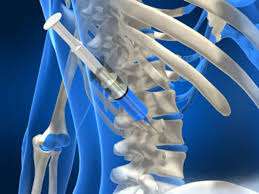
A fever of unknown origin (FUO) presents diagnostic challenges when no immediate cause is apparent. Understanding this condition requires thorough investigation tailored specifically to each patient’s clinical context.
- Symptoms typically include prolonged fever lasting more than three weeks without any clear explanation.
- Detailed diagnostic approaches often start with comprehensive blood tests along with patient history reviews.
- The management plan will largely depend on underlying causes determined during evaluations; spontaneous resolution sometimes occurs without any specific intervention required.< / l i >< l i > Continuous monitoring remains significant throughout this process to reassess symptoms regularly.< / l i >< l i > Stressing regular communication aids effective patient care delivery during these investigations.< / l i >
With diligent examination efforts led by specialists familiar with FUO patterns producing good results becomes feasible!
INFECTIOUS DISEASE CONSULTATION

An infectious disease consultation entails specialized evaluations for complex infections. These assessments are essential when standard treatments fail or complications arise during therapy course periods.
- Patients may present with unexplained fevers or persistent symptoms despite initial treatment efforts.
. 'Background medical history plays a key role in pinpointing potential causes. - etesting through imaging studies can be crucial in diagnosing conditions like abscesses or osteomyelitis. Depending on findings, aggressive antimicrobial therapies or even surgical interventions might be recommended..
SEPSIS MANAGEMENT

Sepsis is a potentially life-threatening condition arising from an infection leading to systemic inflammation. Immediate treatment is critical to improve outcomes for affected individuals.
- Main symptoms include rapid heartbeat, confusion, shortness of breath, and extreme shivering or fever.
- Differential diagnosis involves ruling out infections through clinical evaluation paired with laboratory tests such as blood cultures.
- The primary line of defense consists of intravenous antibiotics alongside supportive care like fluid resuscitation in severe cases.
- If organ dysfunction occurs, further interventions might be necessary to stabilize vital functions until recovery takes place.
A prompt response can dramatically improve survival rates among sepsis patients facing critical conditions due to infections.
VIRAL HEPATITIS TREATMENT

Viral hepatitis encompasses several liver infections caused by viruses such as Hepatitis A, B, C, D, and E. Understanding the type of hepatitis is vital for appropriate management strategies.
- Common symptoms may include jaundice, fatigue, abdominal pain, and dark urine depending on the hepatitis type.
- A liver function test along with specific serological assays help in confirming the diagnosis.
- Treatment varies; it may include antiviral medications or even monitoring for some mild cases until resolution occurs naturally.
- Lifestyle changes such as abstaining from alcohol can significantly improve liver health during recovery.
- A vaccination is available for Hepatitis A and B to prevent infection in susceptible individuals.
A well-structured approach ensures that patients get the necessary care tailored to their specific type of viral hepatitis.
TUBERCULOSIS TREATMENT

Tuberculosis (TB) is a bacterial infection that primarily affects the lungs but can also impact other parts of the body. Timely intervention is essential to prevent serious health complications.
- The primary symptoms include persistent cough, chest pain, weight loss, and night sweats.
- Diagnosis is generally confirmed through chest X-rays and laboratory tests of sputum samples.
- The standard treatment involves a combination of antibiotics taken over several months to completely eradicate the bacteria.
- Compliance with medication schedules is critical to prevent drug-resistant TB strains.
- Pediatric cases require special considerations and adjustments in medication dosages based on age.
An early diagnosis paired with effective treatment ensures a high cure rate for TB patients.
HIV/AIDS MANAGEMENT

Human Immunodeficiency Virus (HIV) is a serious infection that attacks the immune system, potentially leading to Acquired Immunodeficiency Syndrome (AIDS). Early diagnosis and treatment are crucial for effective management.
- Symptoms may include fever, fatigue, swollen lymph nodes, and recurring infections.
- Diagnosis typically involves blood tests that measure viral load and antibodies.
- Treatment often consists of antiretroviral therapy (ART), which helps manage the virus effectively.
- Regular monitoring and follow-ups are essential to adjust treatment plans as needed.
- A healthy lifestyle, including a balanced diet and exercise, supports overall well-being.
With appropriate management, individuals with HIV can lead fulfilling lives and reduce transmission risks.