
Dr. Anil Kumar Mathur
About Me
Dr. Anil Kumar Mathur
MD
Dermatologist
10 Years Experience
Biography
My Clinic
OPD Hours
| Monday | Morning | 10:00 AM | - | 02:00 PM |
| Evening | 06:00 PM | - | 09:00 PM | |
| Tuesday | Morning | 10:00 AM | - | 02:00 PM |
| Evening | 06:00 PM | - | 09:00 PM | |
| Wednesday | Morning | 10:00 AM | - | 02:00 PM |
| Evening | 06:00 PM | - | 09:00 PM | |
| Thursday | Morning | 10:00 AM | - | 02:00 PM |
| Evening | 06:00 PM | - | 09:00 PM | |
| Friday | Morning | 10:00 AM | - | 02:00 PM |
| Evening | 06:00 PM | - | 09:00 PM | |
| Saturday | Morning | 10:00 AM | - | 02:00 PM |
| Evening | 06:00 PM | - | 09:00 PM | |
| Sunday | Morning | 10:00 AM | - | 02:00 PM |
| Evening | 06:00 PM | - | 09:00 PM |
Treatments
Specialised care and treatments offered
HYPERPIGMENTATION
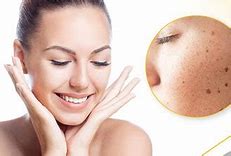
Hyperpigmentation refers to darkened areas of skin caused by excess melanin production; it manifests in various forms including age spots, melasma arising from hormonal changes during pregnancy while post-inflammatory hyperpigmentation occurs after injury or irritation heals without pigmentation correction measures being taken immediately thereafter!
- Areas affected often appear darker than surrounding tissue leading many individuals seeking effective treatments out of cosmetic concerns since nobody wants visible scarring remaining behind after healing takes place!
- To diagnose hyperpigmentation correctly though physicians conduct thorough evaluations utilizing patient histories alongside detailed examinations determining possible root causes linked either internally/external factors influencing pigment production levels!
- Management approaches involve utilizing topical lightening agents targeting problematic zones followed closely by daily sunscreen application avoiding sun exposure aggravating existing discoloration issues overall too…
- Maintaining optimal skincare routines consistently contributes greatly towards minimizing any unwanted spots resurfacing later down line giving brighter more even-toned complexion overall benefits when done right!
Finding solutions requires patience but will ultimately pay off enhancing one’s confidence level significantly down road ahead!
ROSACEA
Rosacea is a chronic skin condition that primarily affects the face; it causes redness and visible blood vessels. Individuals suffering from rosacea may experience flare-ups triggered by various environmental factors like sun exposure or spicy foods.
- Main symptoms encompass persistent facial redness along with bumps resembling acne; some may also notice burning sensations while applying products on their face!
- An accurate diagnosis often relies on clinical observation alongside patient history detailing previous episodes or associated symptoms experienced over time.
- Treatment methods vary but usually include topical agents like azelaic acid paired with oral medications in moderate cases aimed at reducing inflammation.
- Lifestyle adjustments focusing on avoiding known triggers play an important role in helping manage symptoms effectively.
Comprehensive care tailored specifically for each individual ensures long-term relief from this frustrating condition!
SKIN CANCER SCREENING
Skin cancer is one of the most prevalent forms of cancer globally; early detection through regular screening can significantly increase successful treatment outcomes. Skin screenings are an essential preventive measure for identifying suspicious lesions before they develop into more serious issues.
- Look out for irregular moles or growths that change in size, shape or color—these may signify potential malignancy.
- A dermatologist performs examinations using visual assessment techniques alongside dermatoscopy for enhanced accuracy in diagnosis.
- If suspicious lesions are detected, biopsies may be recommended for further analysis to confirm diagnosis while determining treatment options if necessary.
- Regular self-examinations at home combined with professional screenings are recommended annually based on risk factors such as family history or sun exposure levels.
Staying vigilant about monitoring your skin will empower you to take proactive steps toward your health!
ECZEMA
Eczema is an inflammatory skin condition characterized by itchy, red patches that can appear anywhere on the body. It's especially prevalent in children but can persist into adulthood.
- Key symptoms include intense itching, dryness, flaking skin, and redness around affected areas.
- The diagnosis usually involves evaluating medical history along with a physical examination of rashes present on the skin.
- Treatment strategies often incorporate moisturizers for hydration along with topical steroids to reduce inflammation during flare-ups.
- Avoiding irritants such as certain soaps or fabrics can significantly improve symptoms over time.
With appropriate care and lifestyle adjustments, individuals with eczema can manage their symptoms effectively for better skin health.
PSORIASIS
Psoriasis is a chronic autoimmune condition that leads to the rapid growth of skin cells resulting in scaling on the skin's surface. It often appears as red patches covered with thick white scales and can affect any part of the body.
- This condition can manifest through symptoms such as dry patches, itchiness, and soreness.
- A dermatologist confirms psoriasis through visual inspection or sometimes a biopsy to rule out other conditions.
- Treatment may involve topical corticosteroids, phototherapy, or systemic medications depending on the severity.
- Understanding triggers like stress or weather changes can help manage flare-ups effectively.
A proactive management strategy is essential to minimize outbreaks and enhance quality of life for those affected by psoriasis.
ACNE
Acne is one of the most common skin conditions affecting individuals, particularly teenagers and young adults. It occurs when hair follicles become clogged with oil and dead skin cells, leading to various types of lesions such as pimples and cysts.
- Symptoms include blackheads, whiteheads, and inflamed red spots commonly found on the face, back, and shoulders.
- Diagnosis typically involves a clinical examination by a healthcare professional who will assess the severity and type of acne present.
- Treatment options encompass topical treatments like retinoids, oral medications such as antibiotics or hormonal therapy, and advanced procedures like chemical peels or light therapy.
- Patients can expect gradual improvement over time; however, adherence to treatment plans is crucial for optimal results.
Managing acne effectively requires a comprehensive approach tailored to the individual's skin type and acne severity.