
Dr. Anil Kumar Gupta
About Me
Dr. Anil Kumar Gupta
MS
Cardiothorocic Surgeon
10 Years Experience
Biography
My Clinic
OPD Hours
| Monday | Morning | 10:00 AM | - | 02:00 PM |
| Evening | 06:00 PM | - | 09:00 PM | |
| Tuesday | Morning | 10:00 AM | - | 02:00 PM |
| Evening | 06:00 PM | - | 09:00 PM | |
| Wednesday | Morning | 10:00 AM | - | 02:00 PM |
| Evening | 06:00 PM | - | 09:00 PM | |
| Thursday | Morning | 10:00 AM | - | 02:00 PM |
| Evening | 06:00 PM | - | 09:00 PM | |
| Friday | Morning | 10:00 AM | - | 02:00 PM |
| Evening | 06:00 PM | - | 09:00 PM | |
| Saturday | Morning | 10:00 AM | - | 02:00 PM |
| Evening | 06:00 PM | - | 09:00 PM | |
| Sunday | Morning | 10:00 AM | - | 02:00 PM |
| Evening | 06:00 PM | - | 09:00 PM |
Treatments
Specialised care and treatments offered
ATRIAL SEPTAL DEFECT CLOSURE
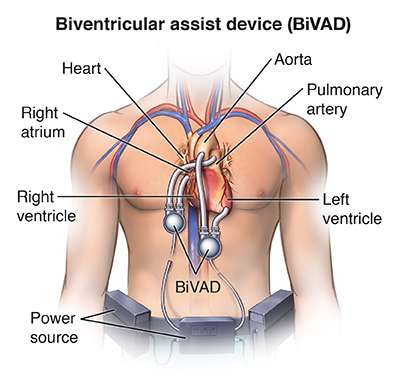
Atrial Septal Defect Closure addresses congenital heart defects where there exists an opening between the heart’s two upper chambers. This closure technique aims at preventing complications arising from abnormal blood flow resulting from these defects.
- Symptoms identified include fatigue , palpitations , or recurrent respiratory infections ; hence evaluations become pivotal early detection necessary navigate appropriate interventions .
- Diagnosis typically employs echocardiograms along physical examinations revealing size-variations perceptions aiding decisions select suitable closure methodologies thereafter .
- Surgical options available consist primarily either device deployment via catheterization routes or more traditional procedures employing cardiopulmonary bypass—depending case specifics nature severity involved complexities .
- Expectations entail gradual symptom improvement alongside routine follow-up consultations crucial monitor success rates subsequently adjustments if required period over time.
Atrial septal defect closure serves as effective corrective measure ensuring lasting benefits accompanying improved functional capacity quality life enhancing overall well-being survivors every age group irrespective their background challenges faced earlier journey towards healthier hearts .
ENDOVASCULAR ANEURYSM REPAIR (EVAR)
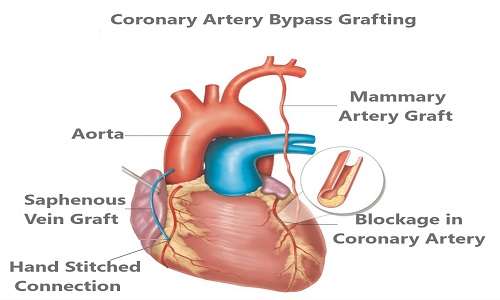
Endovascular Aneurysm Repair (EVAR) is a modern approach for treating abdominal aortic aneurysms using minimally invasive techniques. This endovascular method reduces recovery time while effectively managing potentially life-threatening aneurysms located in major blood vessels.
- Symptoms : Individuals may present with pulsating sensations near the abdomen leading physicians to investigate further for potential aneurysms.
- Diagnostics : Procedures such as ultrasound or CT scans help clarify diagnoses ensuring proper management strategies are implemented promptly.
- Technique understanding : During EVAR , surgeons deploy stent-grafts into arteries via catheters introduced through small incisions— thus averting extensive surgery risks while reinforcing vessel walls against rupture hazards.
- Aftercare recommendations : Following this procedure , continuous monitoring coupled with lifestyle adjustments ensures efficacy remains high among ongoing treatments precluding complications later down road .
By utilizing cutting-edge technology alongside precise maneuvering capabilities; EVAR stands out as highly regarded option supporting favorable long-term health prospects when addressing eminent vascular threats .
TRANSCATHETER AORTIC VALVE REPLACEMENT (TAVR)
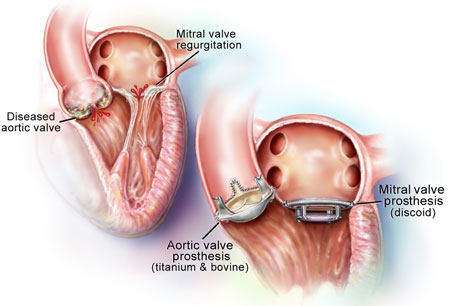
Transcatheter Aortic Valve Replacement (TAVR) offers a revolutionary way to treat severe aortic stenosis without traditional open-heart surgery. Utilized primarily in high-risk patients, TAVR provides effective relief from debilitating heart symptoms through catheter-based access.
- The aortic stenosis is characterized by narrowed valves leading to increased pressure on the heart which may cause dizziness or shortness of breath during exertion.
MINIMALLY INVASIVE VALVE REPAIR
The minimally invasive valve repair technique aims to correct heart valve dysfunction through smaller incisions. This approach reduces trauma associated with open-heart surgeries while maintaining efficacy in restoring heart function.
- Candidates: Ideal candidates often include those suffering from mitral or aortic valve diseases experiencing symptoms like breathlessness or fatigue.
- Evaluation methods: Diagnosis typically involves echocardiograms, physical evaluations, and sometimes cardiac catheterization for thorough assessment of valve function.
- Surgical execution: The repair process may include techniques such as annulus remodeling or chordal reconstruction facilitated through strategically placed ports in the chest wall.
- Recovery details: Post-surgery recovery often leads to minimal pain levels; many patients can resume normal activities within weeks rather than months found in conventional surgeries.
This technique not only improves surgical outcomes but also enhances the overall experience by lessening complications linked with prolonged recoveries involving larger incisions.
ROBOTIC-ENHANCED CARDIAC SURGERY
Robotic-enhanced cardiac surgery utilizes advanced robotic systems to assist in precise cardiac procedures. This technology allows for smaller incisions and enhanced control over surgical instruments during operations.
- Benefits: Patients benefit from reduced pain, shorter hospitalization, and quicker recovery times compared to conventional methods.
- Indications: This technique is commonly applied in valve repair or replacement surgeries and coronary artery bypass grafting (CABG).
- Preoperative evaluation: Comprehensive assessments including echocardiograms and stress tests help determine suitability for robotic surgery.
- Surgical experience: The procedure is performed by a skilled team trained in both traditional cardiac surgery and robotic techniques to ensure optimal patient outcomes.
- Postoperative care: Patients can expect close monitoring post-surgery with tailored recovery plans focusing on activity resumption and rehabilitation.
This cutting-edge option represents a significant advancement in cardiac surgical procedures, promoting better healing experiences for patients.
VIDEO-ASSISTED THORACOSCOPIC SURGERY (VATS)
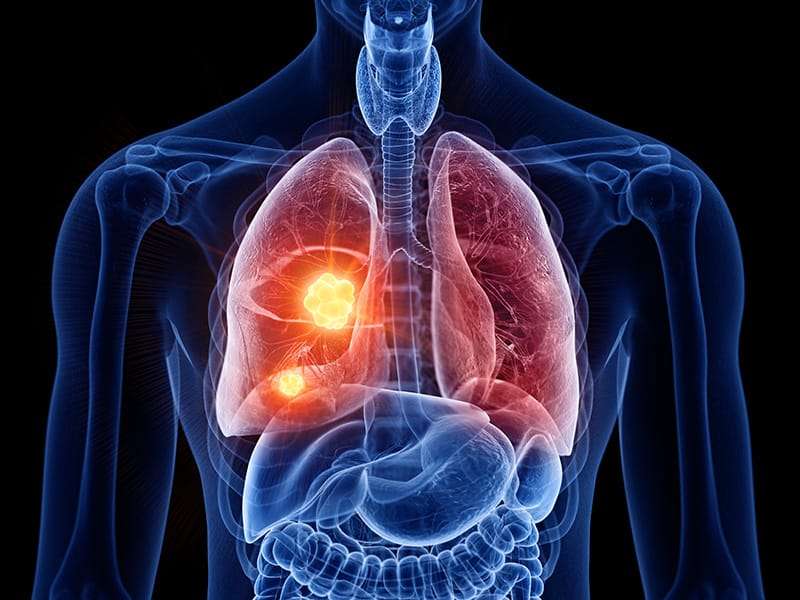
Video-Assisted Thoracoscopic Surgery (VATS) is a minimally invasive procedure used for various thoracic conditions. This technique allows surgeons to visualize the chest cavity using a small camera, reducing recovery time and minimizing scars.
- Conditions treated: VATS can address issues like lung cancer, pleural effusion, and biopsies of lung tissue.
- Symptoms: Patients may experience persistent cough, unexplained weight loss, or chest pain prompting the need for this intervention.
- Diagnosis: Diagnosis often involves imaging studies such as CT scans and an assessment of clinical symptoms to determine the necessity of surgery.
- Treatment options: Management includes surgical intervention through VATS, post-operative care, and sometimes adjuvant therapies depending on the underlying condition.
- Recovery expectations: Recovery typically involves shorter hospital stays and less postoperative discomfort compared to traditional open surgery.
This innovative approach has transformed thoracic surgery, enabling patients to return to normal activities more quickly while ensuring effective treatment outcomes.